Lessons from the Caribou: Stay Together
In AdVANCE OF AN OIL AND GAS LEASE SALE IN THE ARCTIC REFUGE ON JUNE 5, COMMUNITIES ARE STANDING TOGETHER FOR THE HERD
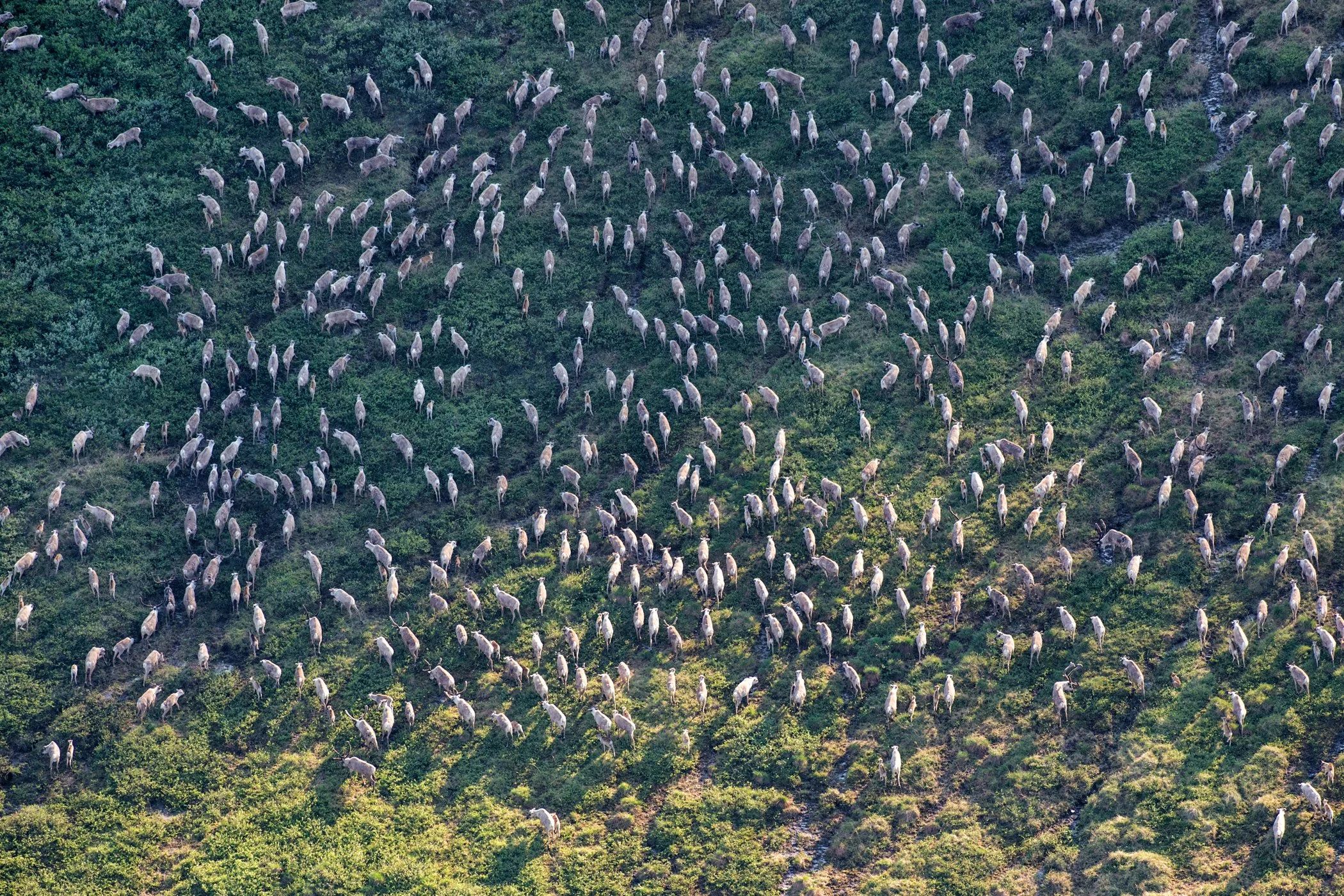
The Porcupine caribou herd, numbered today at 143,000, undertake one of the longest land migrations on the planet. Today, their sensitive calving grounds in the Arctic Refuge are threatened by the U.S. government’s renewed push for oil and gas development. (Photo: Peter Mather)
Any day now the Porcupine caribou herd will give birth on their ancient calving grounds. I think of them, the older females who are matriarchs to the herd. Knowledge keepers. They pass their knowledge down, they show the younger females the way.
How do they know the way? How do they find their way back to the Arctic Refuge, every June?
Barren-land caribou give birth together. The “Porkies” (as Whitehorse-based biologist Mike Suitor fondly calls them) gather on the coastal plans of northeastern Alaska, timing their arrival with the flowering of cottongrass, rich with nutrients, which they’ll need to produce milk. They camouflage their sand-and-cream coloured bodies against the pallet of dried grasses and patches of snow, hiding from wolves, grizzly bears and golden eagles.
The females give birth within minutes, hours, maybe a day of one another. It’s what biologists call a “synchronized birth”, a way to increase survival rates by overwhelming predators with more young than they can possibly eat. It’s one of many ways that barren-land caribou come together to survive.
There are other examples, too. In July, when the hoards of mosquitoes, warble flies, and nasal bots—an insect that is just as it sounds, one that lays eggs in the nostrils of caribou—descend on the herd, they’ll bunch up together in tens of thousands.
As the threat intensifies, the space between caribou shrinks until they’re standing shoulder to shoulder with one another.
As caribou walk, you can hear a clicking sound, a tendon slipping over the ankle bone. It’s thought that this is how caribou stay together, even when navigating through dense fog, even when the way forward isn’t clear.
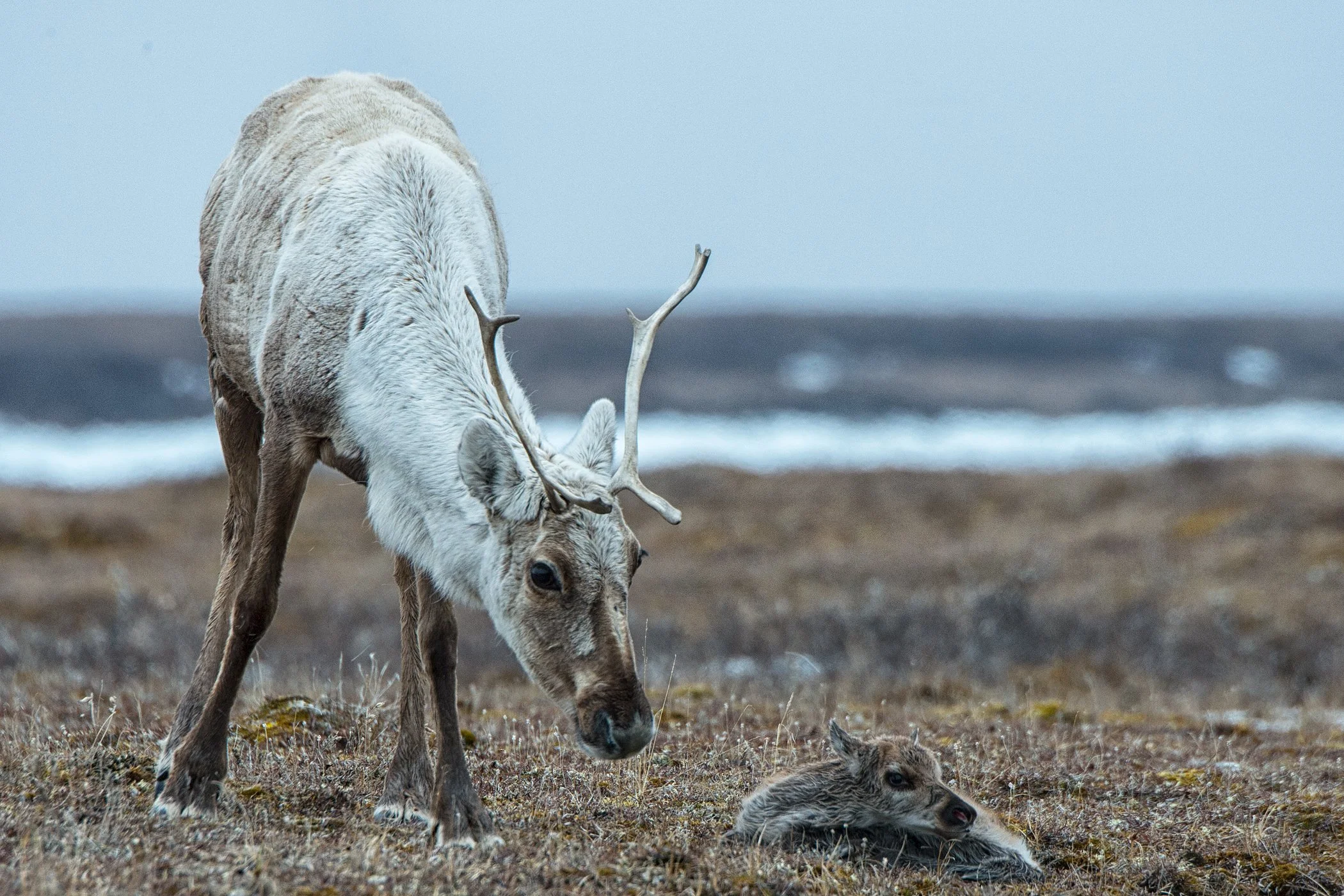
Females give birth collectively in the Arctic Refuge, every June, as a prey satiation strategy. They camouflage their bodies against the mottled tundra and snow patches. (Photo: Peter Mather)
I am overjoyed by the thought of so many caribou being born at once, tumbling out headfirst onto the tundra and testing their gangly legs. It’s not something I need to see with my own eyes. I just like knowing that the Arctic Refuge exists, that it’s so far out of human reach, and that what unfolds there remains largely away from the human gaze. Caribou need that space.
But I am gravely concerned, too. The future of northern caribou herds feels tenuous, particularly as the national and international gaze has swivelled North to focus on Arctic sovereignty, mega-infrastructure projects, and the extraction of critical minerals.
On June 5th, the U.S. Bureau of Land Management will host the first of at least four oil and gas lease sales in the Arctic Refuge, which are legally mandated to take place over the next 10 years.
As a journalist and storyteller, I’ve been covering the multigenerational story of the Porcupine caribou for over a year now while First Nations communities have been fighting for nearly half a century to keep oil and gas out of the calving grounds. It’s been a highly complex narrative to enter into, but it’s one that’s brought me infinitely closer to people and community—and to caribou, too.
Last year, my partner Mike and I attended Big Caribou Days in Old Crow, Yukon, to celebrate the annual spring migration of the herd as they make their way to the calving grounds along the northern slope. There, my eyes were widened by the sheer number of people and organizations working together for caribou. I met First Nations leaders, biologists, environmentalists, along with Gwich’in Elders, youth, hide-tanners and hunters.
After a full day of feasting, listening to speeches, playing games, and slapping my knee, keeping beat with the crooked tune of the Gwich’in fiddlers, watching the young jiggers fly across the dance floor, I lay in bed, unable to sleep, my head and heart bursting with this incredible feeling of what if we all came together for wildlife in this way?
I wrote about my experience at Caribou Days for The Narwhal in the late summer of 2025.
I knew that I wanted to stay close to the story of people and caribou, and to continue writing about the communities coming together, standing shoulder to shoulder, to protect one of the planet’s last great barren-land caribou herds.
Something I try to remind myself when reading headlines and feeling distant from unfolding tragedies is that, on the ground, up close and personal, it’s always a different story. It’s always more nuanced. The perception of doom and gloom is tempered by small and large acts of kindness, of care, of responsibility, and of reciprocity. The story of caribou reminds me of this, too.
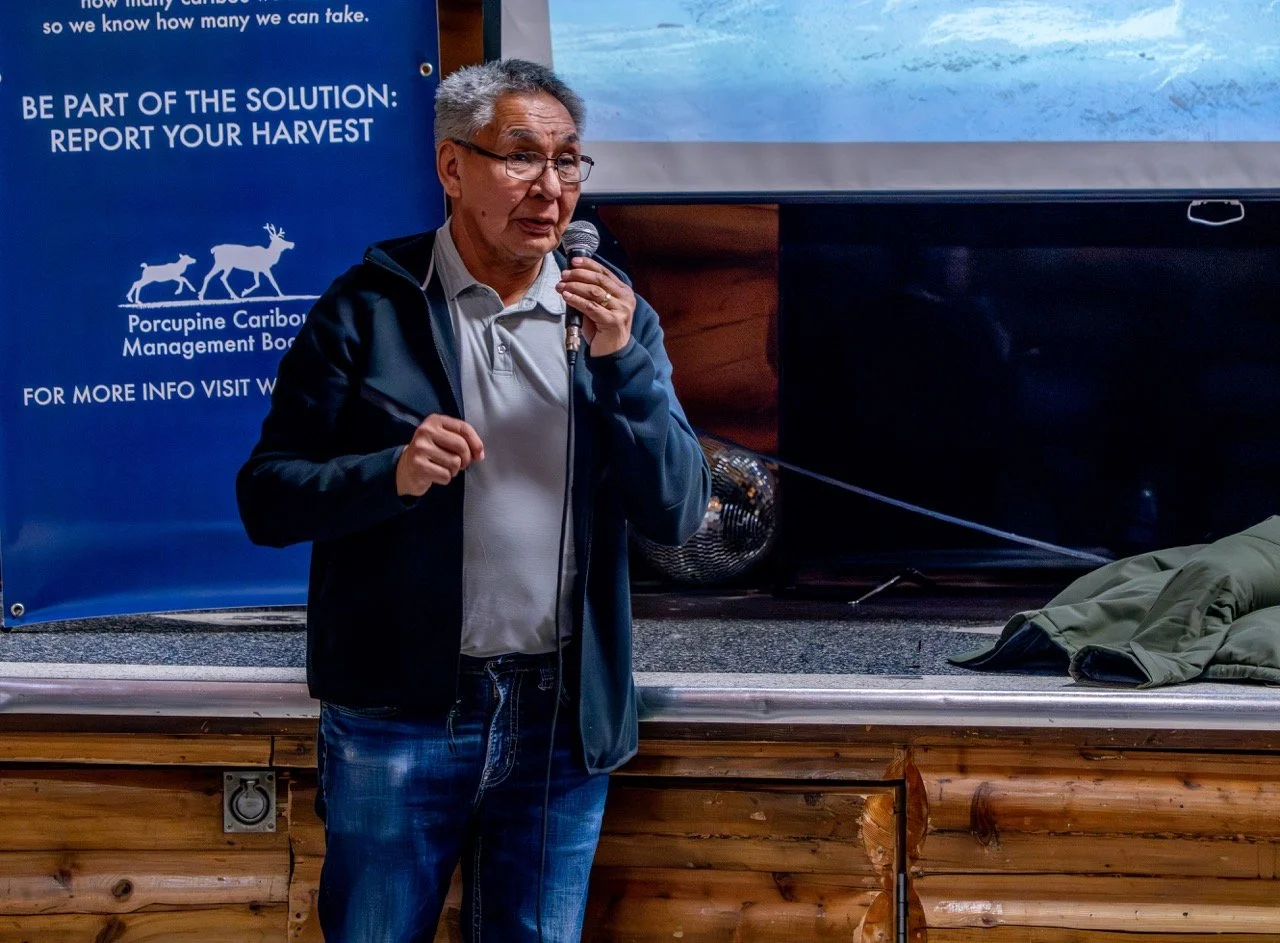
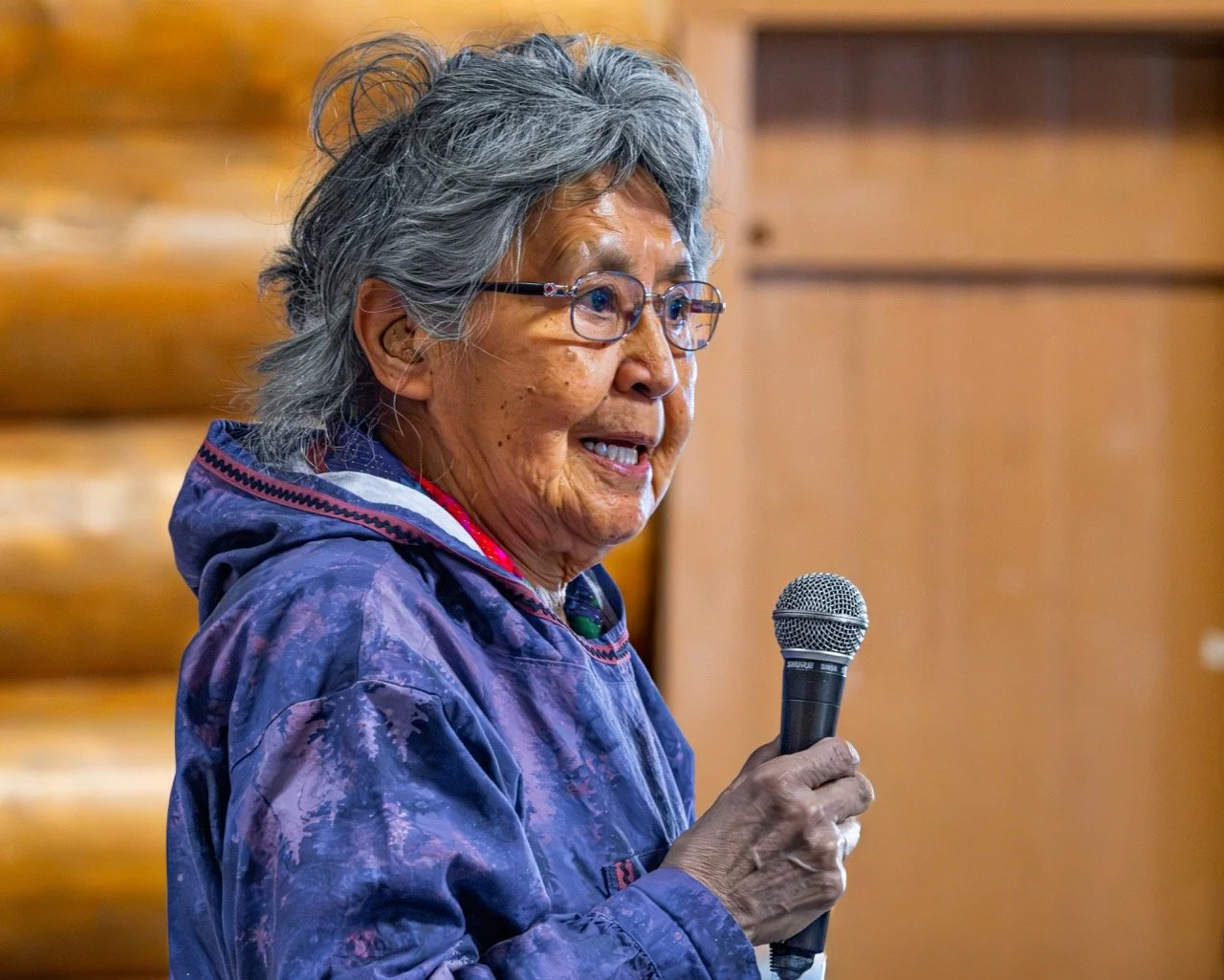
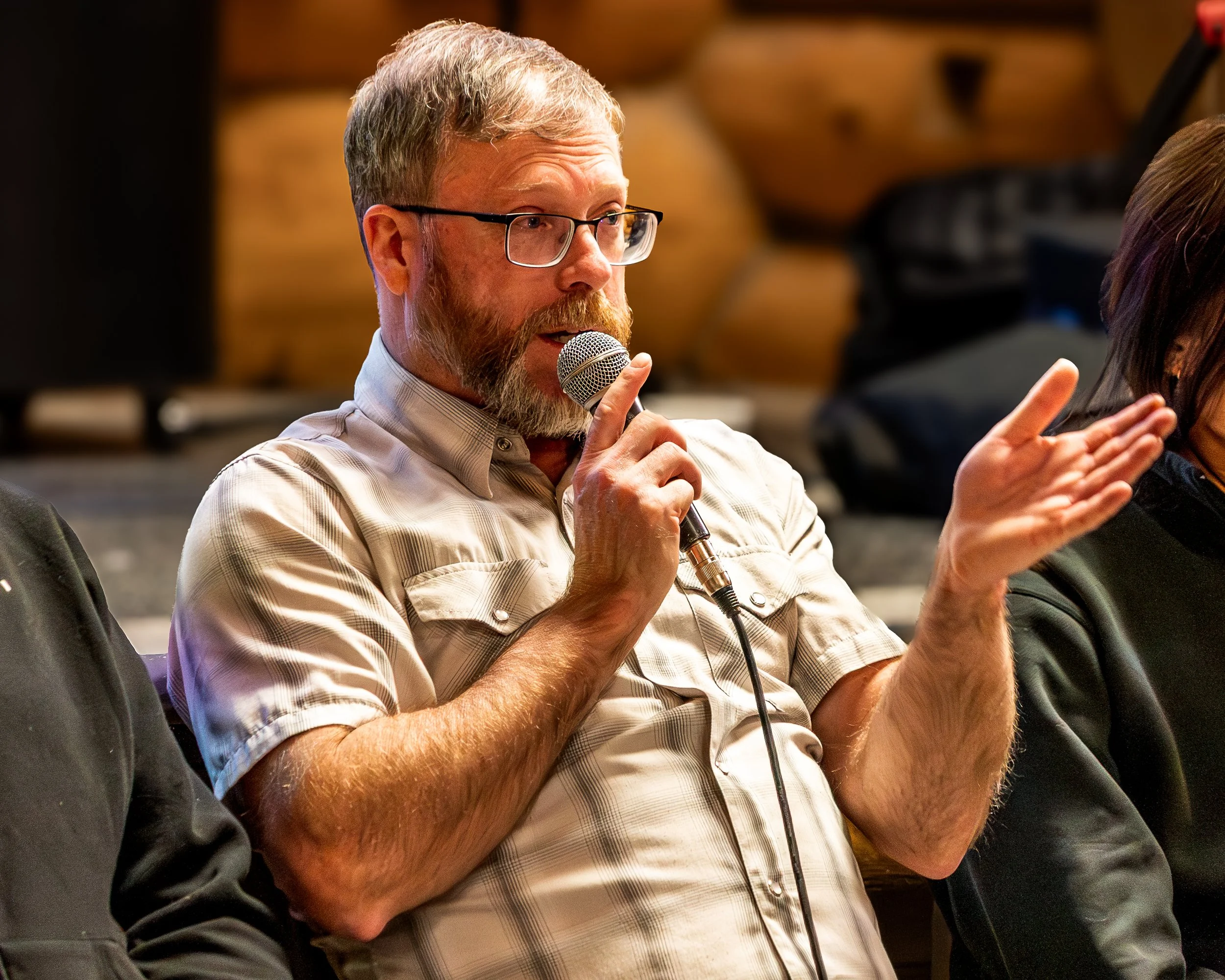
In February, Mike and I were invited by organizers to travel to Inuvik, N.W.T. to participate in the Porcupine Caribou Management Board’s annual harvest meeting. Scientists and First Nations and Inuvialuit communities had come together to share knowledge about the caribou.
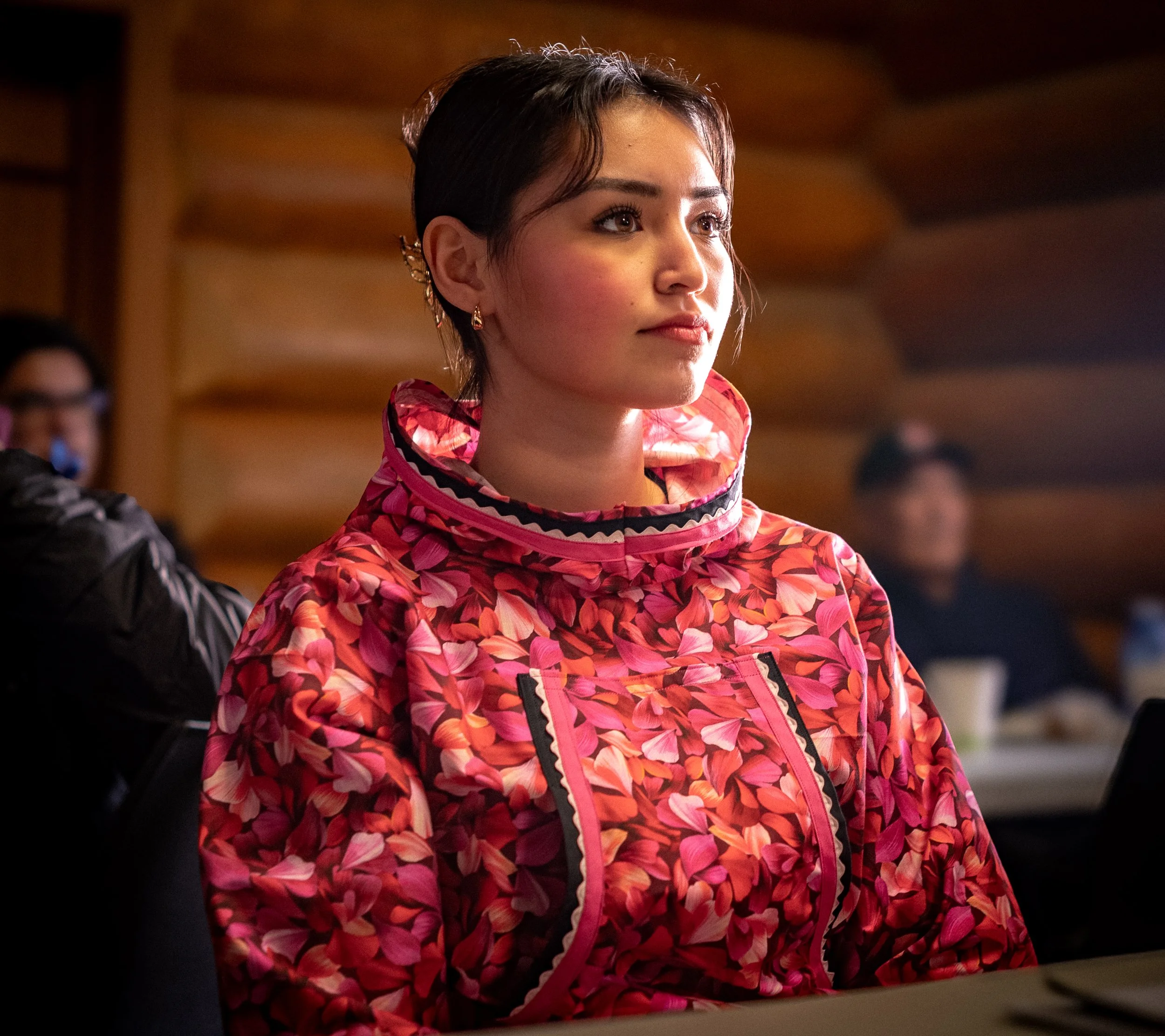
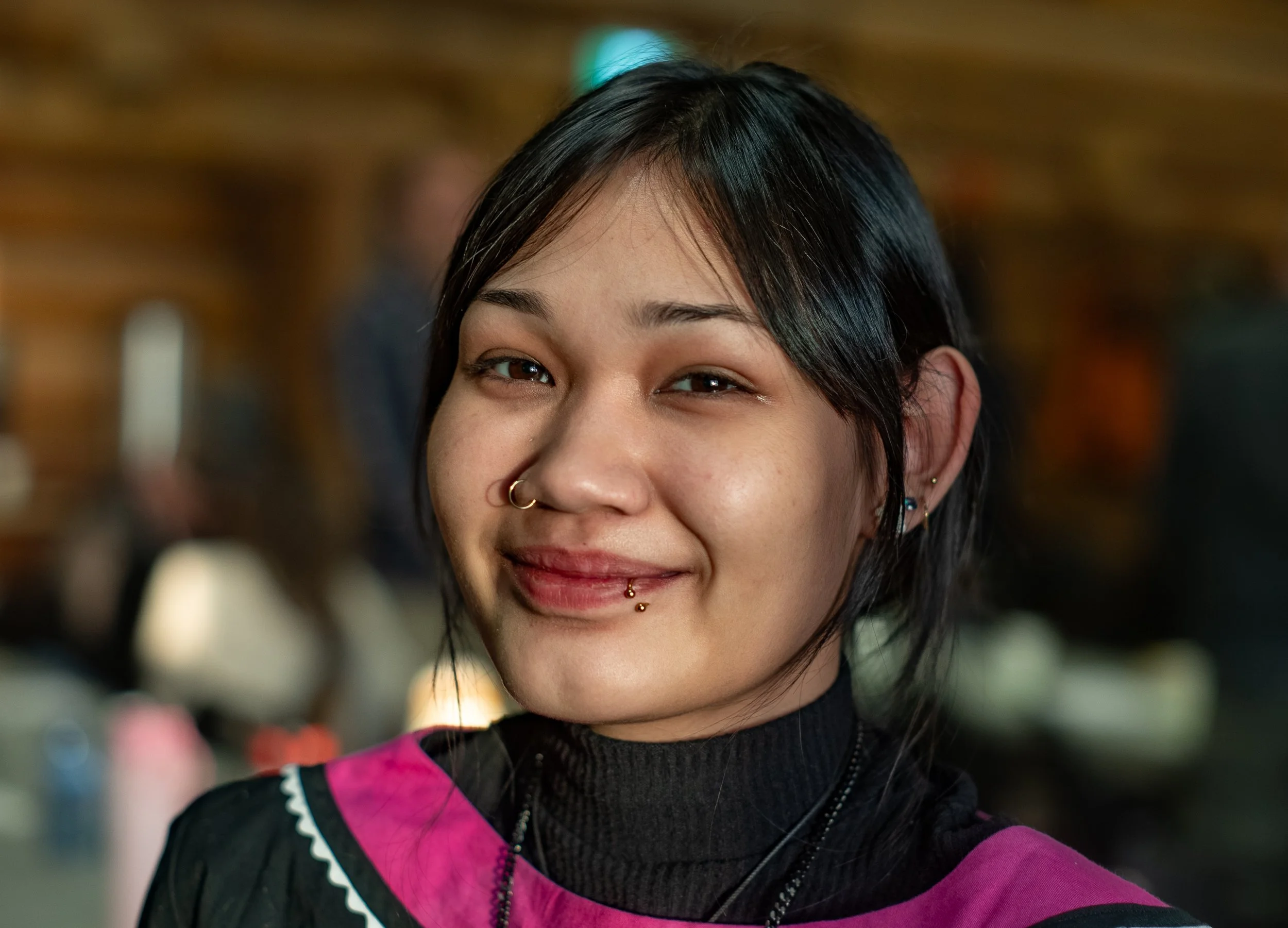
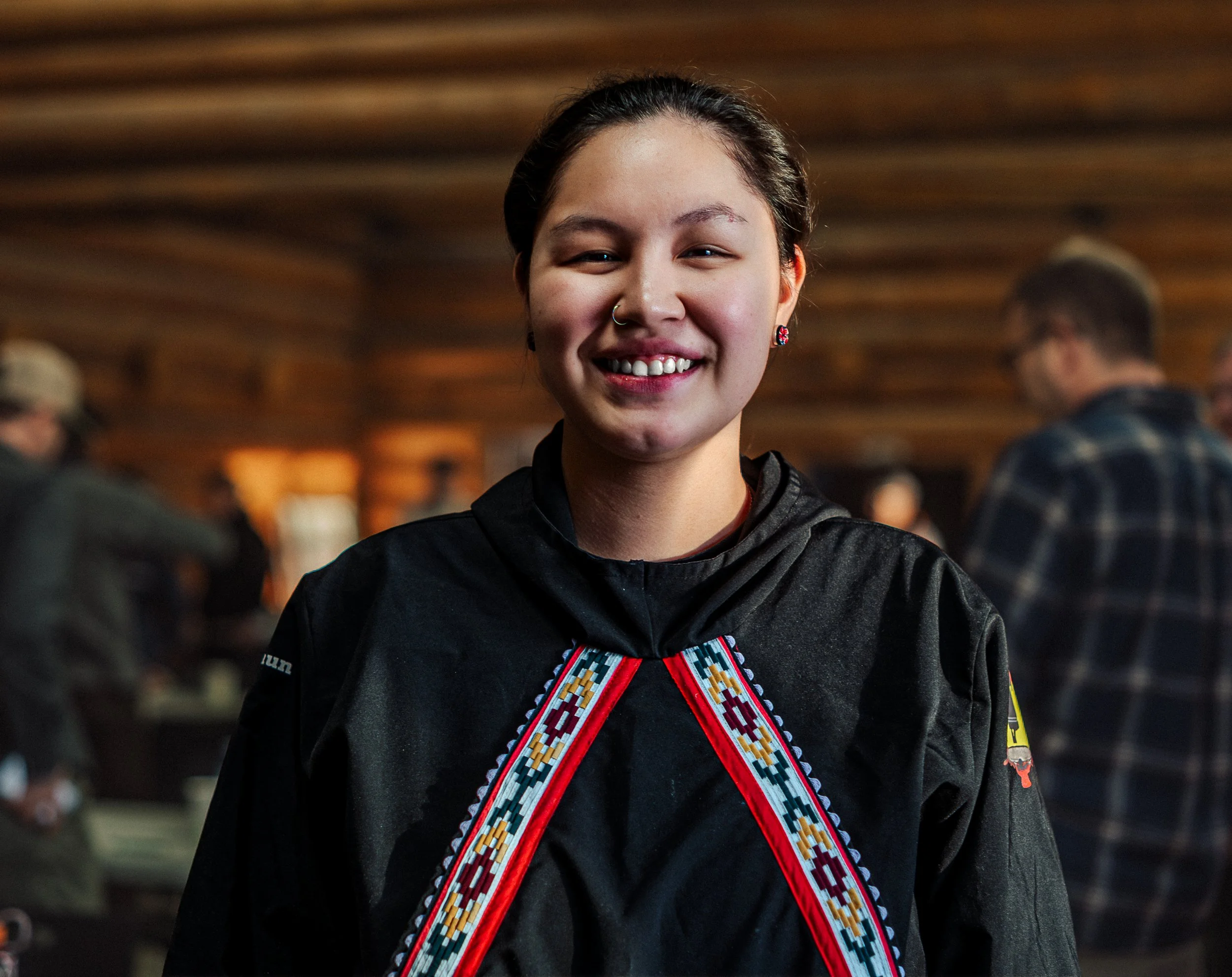
Once again, I was struck by the depth of relationships between people working together for this herd. I was inspired to see that it’s a multigenerational effort. The torch is being carried forward. Youth leaders, including Talina Storr and Tamara Kaglik, spoke passionately about their relationship with caribou and the importance of youth leadership, of continuing to advocate for the herd and protect their habitat.
I was also inspired to listen to presentations by scientists who are working collaboratively with Indigenous communities. Their research is guided by Indigenous observations, knowledge, and questions about the Porcupine caribou herd. They are not studying the herd in isolation of people, culture, and community as Western science and biology has historically done.
I left Inuvik feeling buoyed with hope for the future of the Porcupine caribou herd. It’s impossible not to read the headlines about Trump’s push for oil and gas in the Arctic Refuge and feel despair (I sure do, anyway), but also true is that when you zoom into communities in Yukon, N.W.T. and Alaska, you can see many people working together for the protection of the Porcupine caribou herd.
As I wrote in my latest feature story for Canadian Geographic, the story of the Porcupine caribou herd is one of collaboration. Despite what’s at stake, there’s a lot to celebrate. Maybe that’s why the Gwich’in continues to feast and dance and sing for caribou, while also exercising every option available to protect their calving grounds and wider habitat. This is not a doom and gloom story, it’s a story that’s far from over, and one that is continuing to unfold.
“In many ways, it’s a transboundary conservation success story. One of the herd’s greatest assets: people power.”
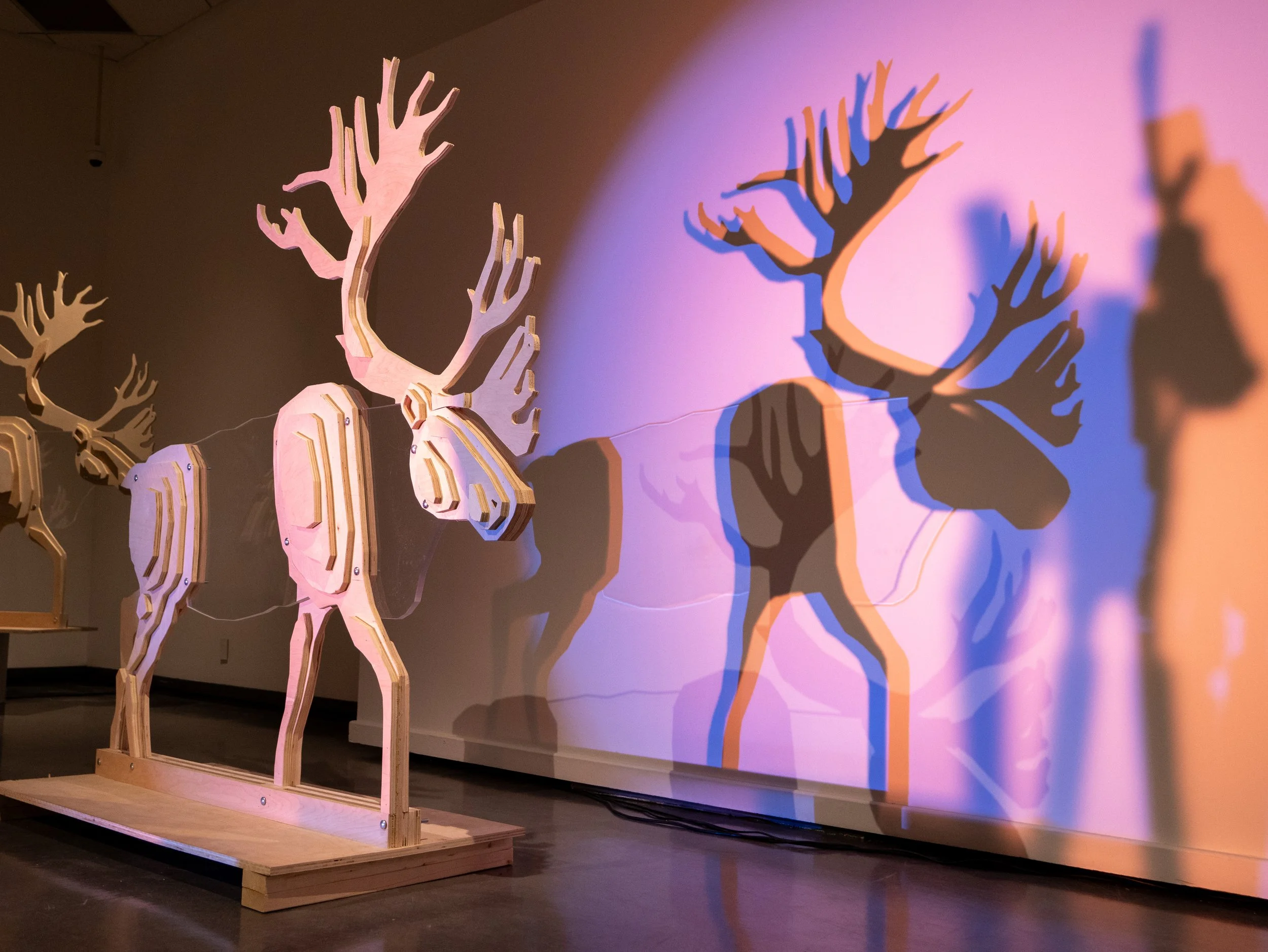
The Caribou Art Project is a recent art installation by Lianne Charlie and Nicholas Hyatt at the Yukon Art Centre. The artists built 34-caribou from wood panels and plexiglas, made four dimensional with light and audio featuring the voices of First Nations Elders, hunters, and hide-tanners. (Photo: Trina Moyles)
In the Yukon, I’ve been heartened by acts of solidarity with caribou.
Take the Caribou Art Project, a recent art installation at the Yukon Arts Centre. Whitehorse-based artists, Lianne Charlie, a member of the Wolf Clan and Tagé Cho Hudän (Northern Tutchone-speaking people of south-central Yukon) and Nicholas Hyatt brought thirty-four caribou, made from wood panels and plexiglas, to life, offering people the opportunity to “walk with the herd”, the artists told me.
Charlie and Hyatt collaborated with eight other First Nations artists to dream up the herd, to position the bulls on the outside, with the females and calves on the inside, as they journeyed north towards their calving grounds.
Artists traveled to their communities in the Yukon and N.W.T. to record stories about caribou, to participate in hunts, to learn how to finely slice dry-meat, and prepare hides. Hyatt, a musician, layered the recordings with music and natural sounds from the land: wind, frog song, migratory birds lifting off in flight.
The art installation invites you to walk with the caribou herd and become intimately familiar with the voices of those whom relate so deeply to—and whom rely on—caribou.
Pale green, purple, and yellow lights filter through the room, casting shadows of antlers on the wall, and there’s a surreal feeling that the number of caribou are infinite. The calves, however, are made from plexiglas, symbolizing the uncertainty future that various caribou herds are facing.
I interviewed Lianne and Nicholas back in March for a story for Canadian Geographic. I was moved by the interview and the questions that the artists are trying to provoke. I haven't forgotten Lianne’s words from that day, when she asked me to imagine seeing the world through a lens that de-centres the human experience.
“What does it mean to align ourselves with caribou? What are they teaching us?” Charlie asks.
She and Hyatt are hopeful that the experience of walking with the herd, and being immersed within the stories of caribou people, might spur people to take action, and to align their efforts with First Nations communities, who’ve been working for decades to protect them.
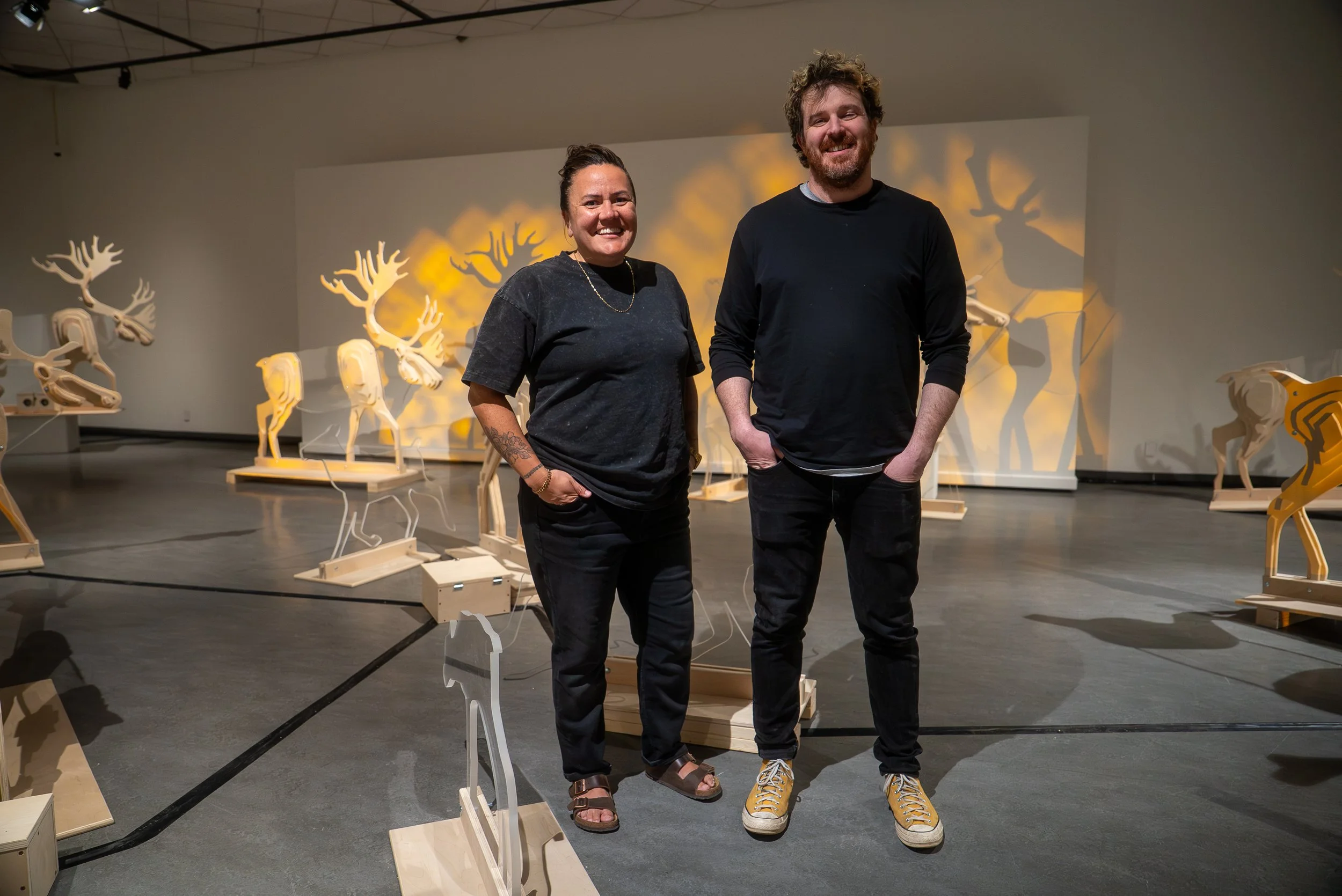
Artists Lianne Charlie and Nicholas Hyatt, co-creators of The Caribou Art Project. (Photo: Michael Code)
Two weeks ago, I facilitated a letter writing workshop called “Write for the Herd” with CPAWS Yukon in Whitehorse to pen words of support for the Porcupine caribou herd and the communities who depend on them.
It was powerful to commune with other concerned citizens and write letters to Prime Minister Mark Carney to demand that Canada uphold our obligations laid out in the Porcupine Caribou Agreement Treaty, which was signed in 1987. (The board, made up of U.S. and Canadian representatives, hasn’t convened since 2020).
What words come to mind when we think of caribou? I asked the participants.
“Resilient.
Endure.
Many.
Flies.
Lichen.
Nutrient Highway.
Wonderful.”
We surfaced questions about relationship, memory, what’s at stake—what could be lost? We penned our responses by hand on pieces of blue paper. We agreed that the specificity of our responses, the uniqueness of our individual stories have an emotional impact, especially when they form a collective of words—words standing together, shoulder to shoulder—so many words it’s impossible for our elected officials to ignore.
Brendan Hanley, the MP for Yukon, will read our words aloud in Canadian parliament this week.
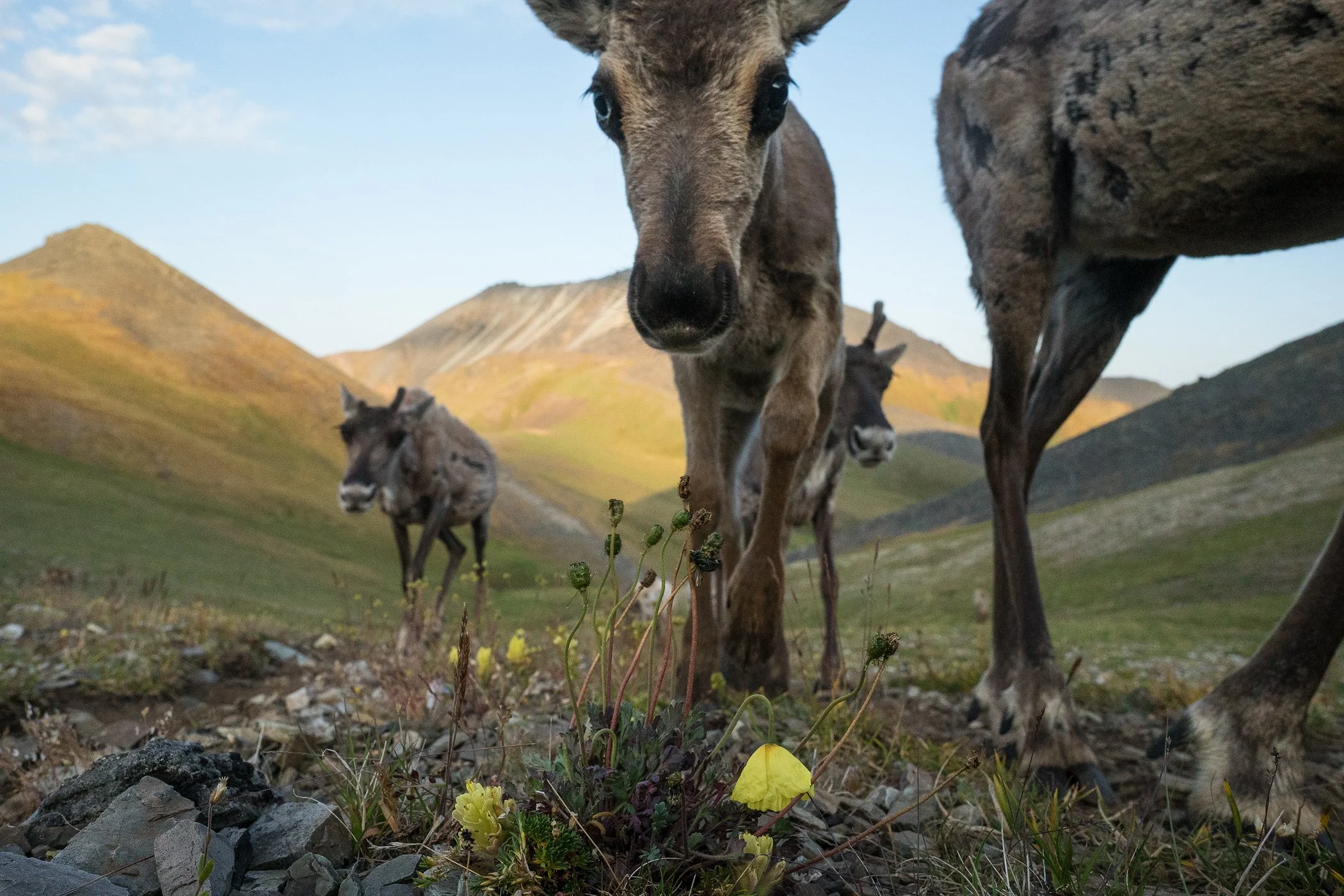
The Porcupine caribou herd undertake one of the longest land migrations on the planet. (Photo: Peter Mather)
In the face of the oil and gas lease sale in the Arctic Refuge on June 5, it’s important to take our cues from the caribou themselves, who do not care about politics, or colonial borders. Caribou never stop.
There are tangible ways to advocate for the Porcupine caribou herd and the communities who depend on them. Write to Prime Minister Mark Carney.
Donate to the Gwich’in Steering Committee, as they team up with 11 other organizations, to take the U.S. government to court.
Stay together, friends.