On The Road With Black Bear—And Nuisance Bear
POSTCARDS FROM MY book tour and SUNDANCE FILM FESTIVAL
Bears are home-bodies, of sorts, the females often eking our habitat close to where they denned as a reproductive strategy. And despite their favourite gait—amble/graze mode—bears are built to cover home-ranges that can span hundreds of kilometres. Males really move, if they’re motivated to find a mate, or if they’ve been relocated, and they’re trying to navigate their way back home. Barren-land grizzly bears have the largest ranges of brown bear species, traveling upwards of seven thousand squared kilometres. There’s radio collar data that shows some polar bears will move up to three thousand kilometres in a month.
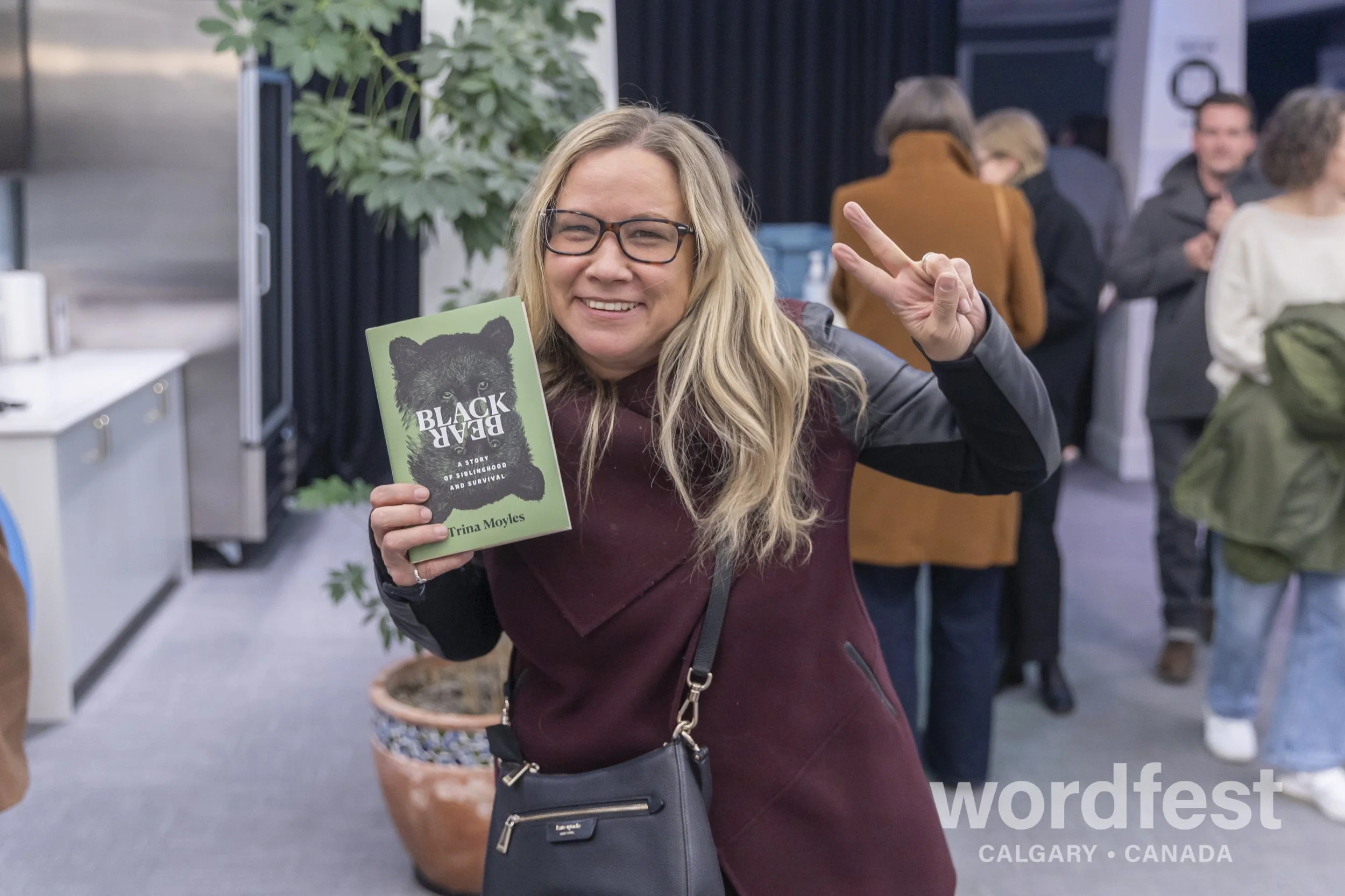
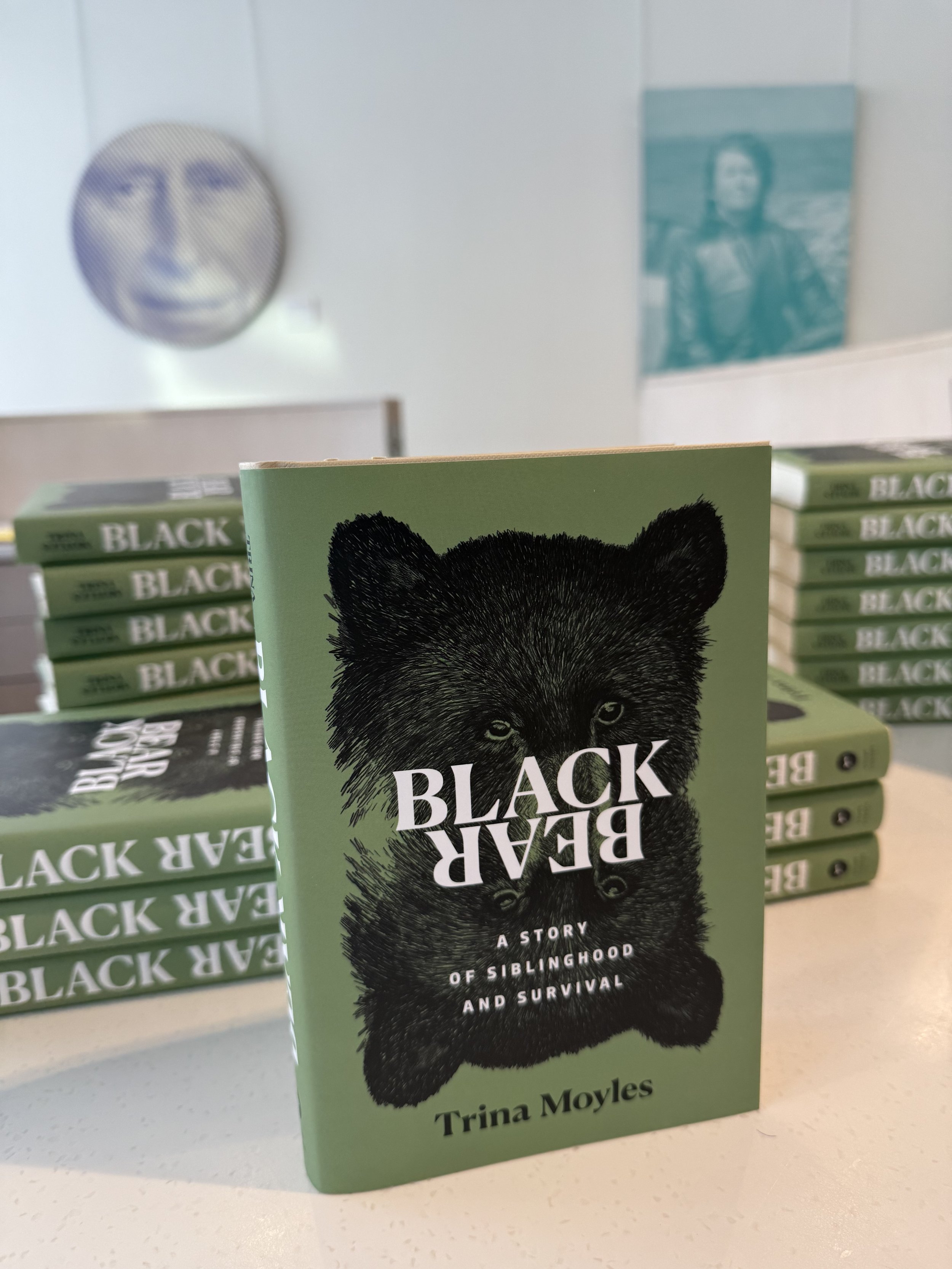
I spend most of my time living and writing in a small 520-square foot yurt outside of Whitehorse, Yukon, so it was rather exciting this month to widen my home-range and hit the road to launch my book, Black Bear: A Story of Siblinghood and Survival. My last book, Lookout, was a ‘pandemic book’, so I missed out on the opportunity to meet face-to-face with readers, speak with audiences, connect with other writers, and collectively celebrate the work with community.
All the more thrilling—and somewhat terrifying—to emerge from my relative hermitage and learn how to talk about Black Bear, the writing process, the grieving process of losing my brother, and how living alongside black bears shaped my perspective on land and healing divides.
It’s one thing to write a book, and another, to speak about it.
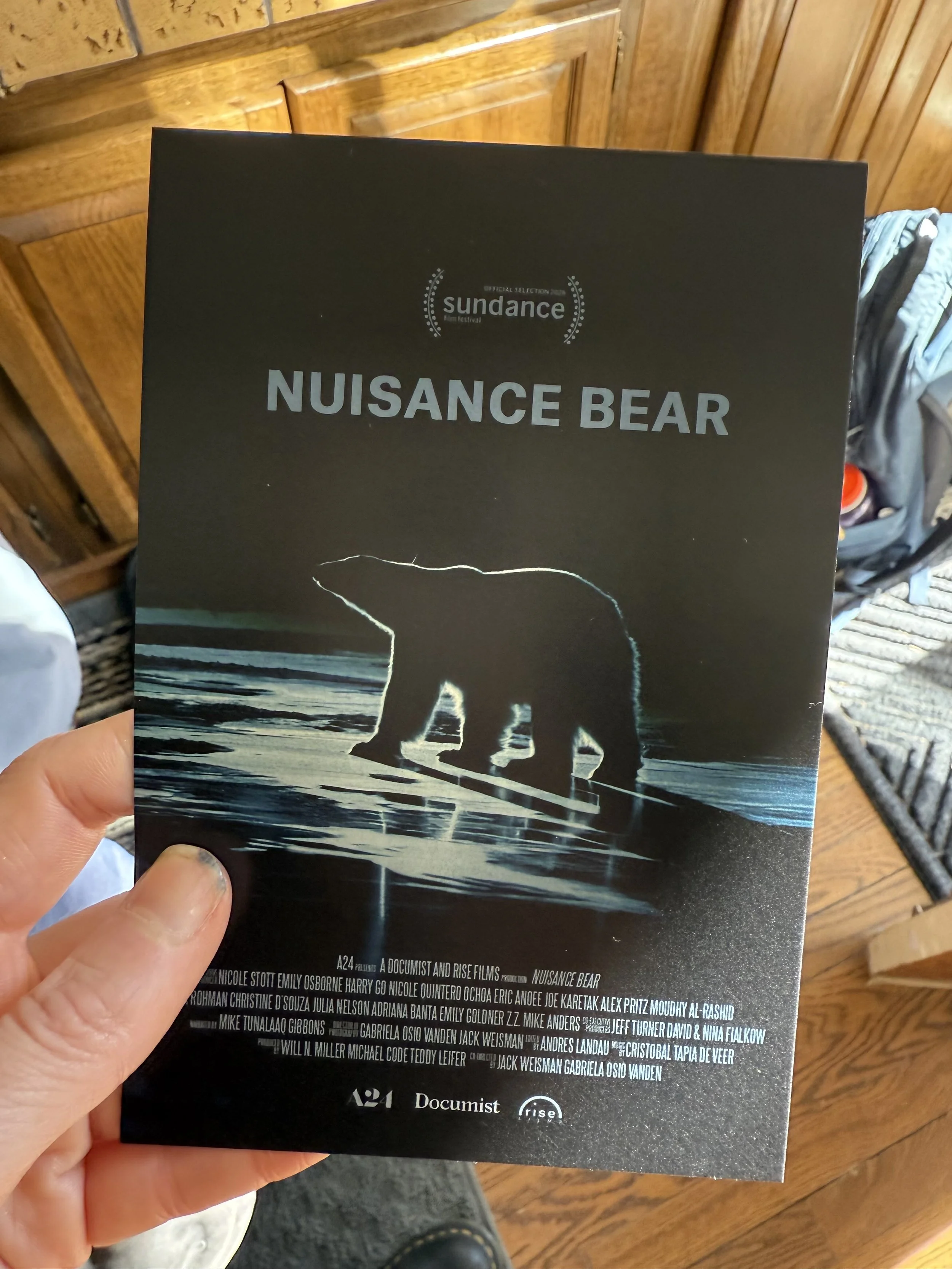
Aside from my hometown of Whitehorse, I traveled to four other Canadian cities—Edmonton, Calgary, Ottawa, and Toronto—to launch Black Bear. Because life is funny and sometimes serendipitous, my partner, Michael Code, a filmmaker, also celebrated the world screening of his team’s documentary film…also about bears…on January 24 at Sundance Film Festival in Park City, Utah. Nuisance Bear, a documentary about the parallel ways that polar bears and Inuit peoples have been impacted by colonization, climate change, and economic pressures in Churchill, MB, and Arivat, NT, was chosen to screen in the U.S. documentary film competition. Mike worked as a cinematographer and producer on the film; spending multiple six-week stints the field, filming polar bears using a state of the art Cineplex camera mounted on 4x4 trucks, allowing them to get up close and personal with bears without much interference. It was a prestigious invitation that we couldn’t miss out on. So, mid-book-tour, I migrated south to Utah with Mike to watch the world premiere and take in the Sundance festivities.
It was such a wildly beautiful and memorable month that I wanted to write a series of postcards, or mini-essays, from behind the scenes of my travels.
OUTTAKE HIGHLIGHT REEL:
DIY book launch in Edmonton with the Metis Cowboy;
In the company of 1.6 million year old bear skulls in Whitehorse;
Talking bears with one of Canada’s most formative “bear guys” in Calgary;
Braving the Canada-U.S. border to travel to Sundance Film Festival—and watching the premiere in a sold out theatre;
Scaling a 12-feet-high fence in Ottawa to deliver a speech at the Royal Canadian Geographical Society;
Chatting about frozen outhouses (and bears, too) with award-winning author Claire Cameron in Toronto;

POSTCARD FROM EDMONTON
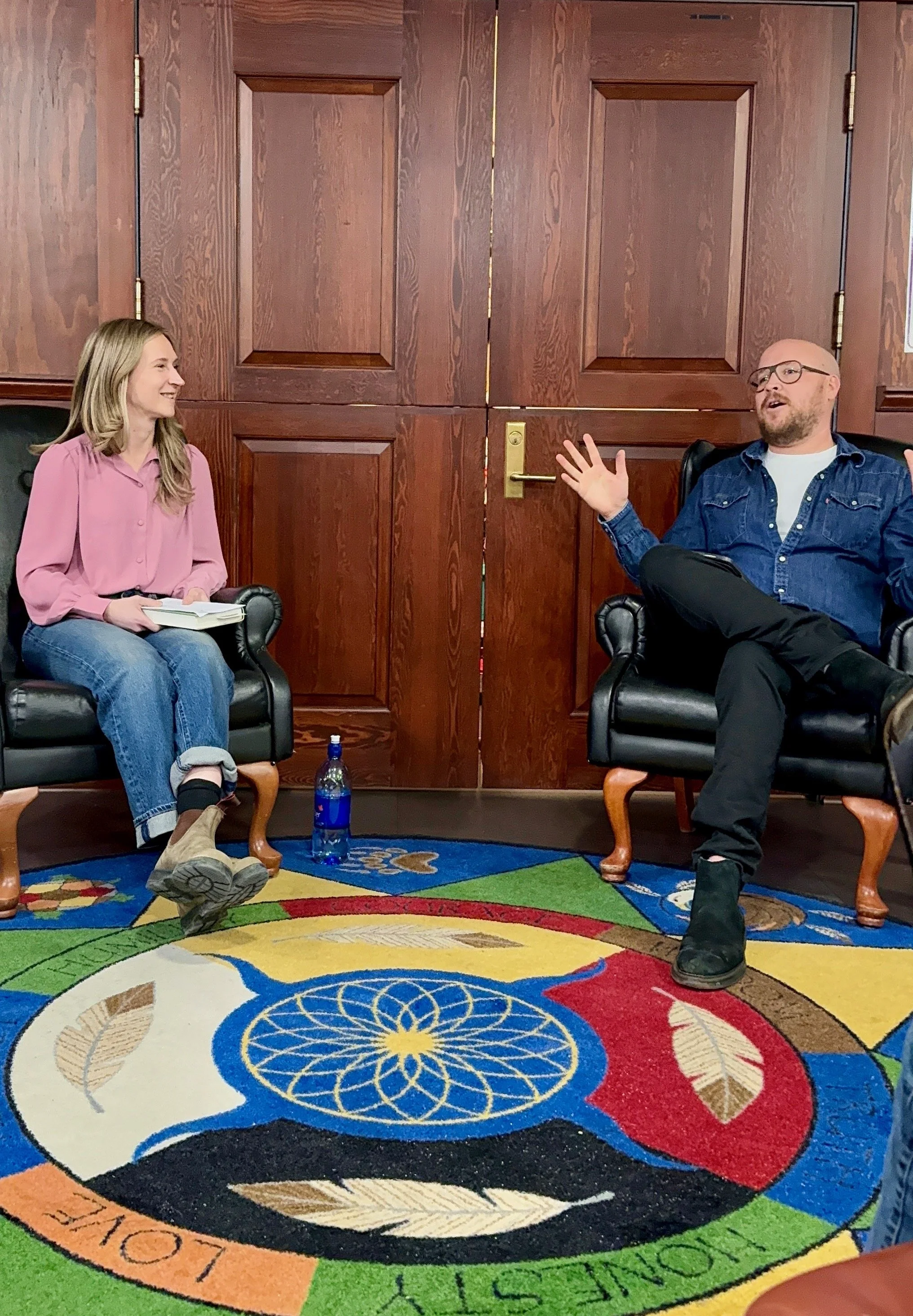
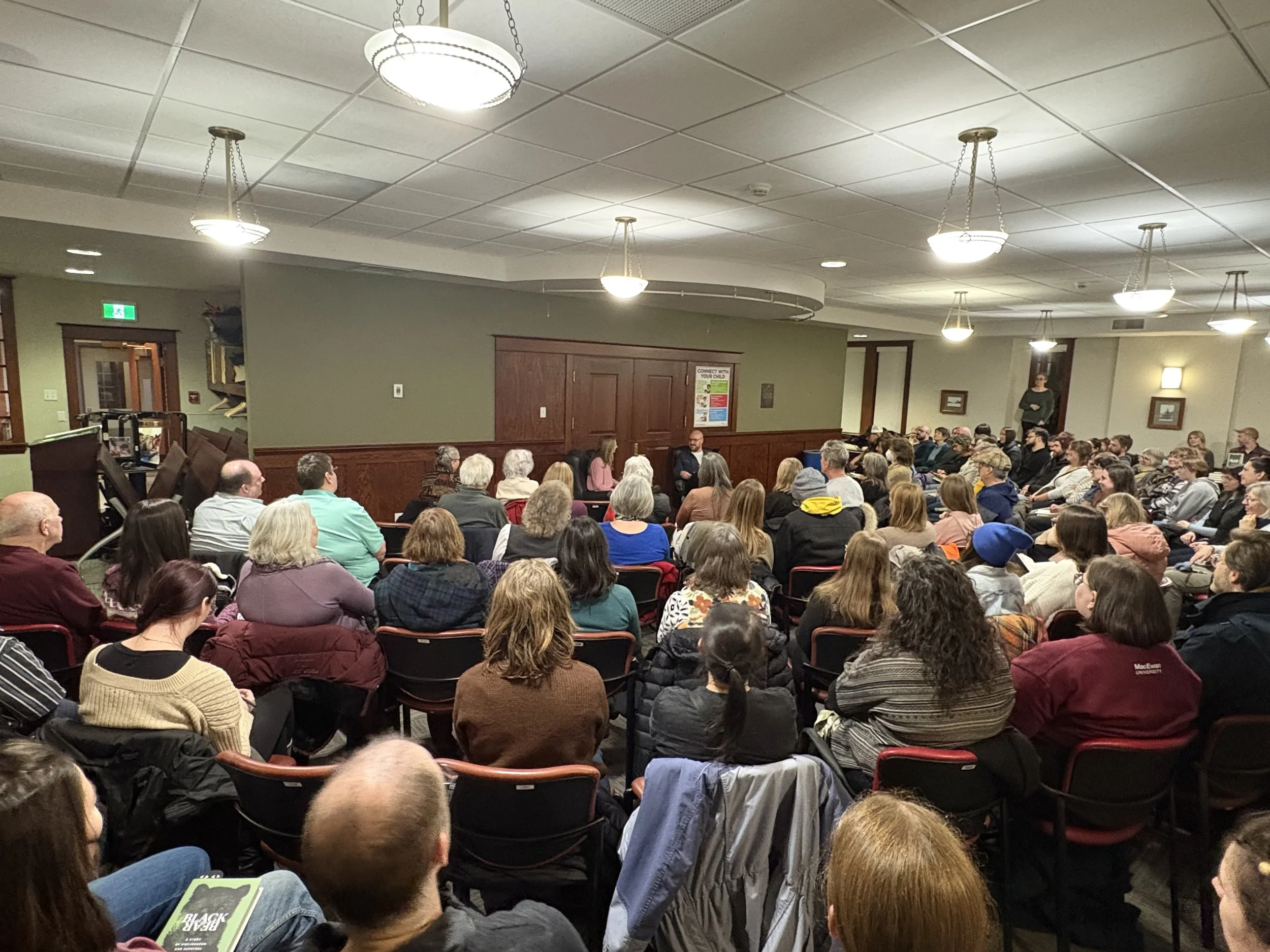
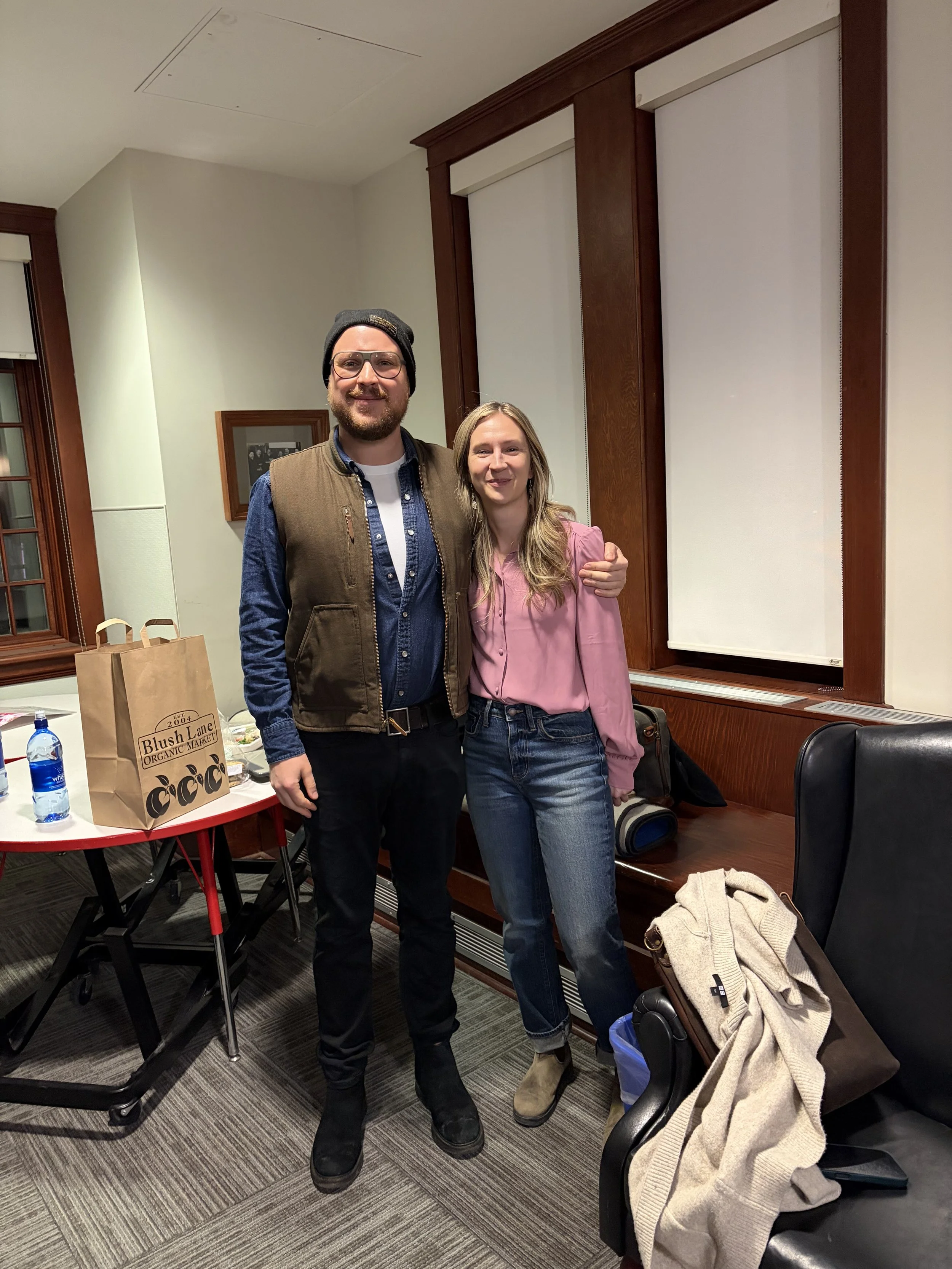
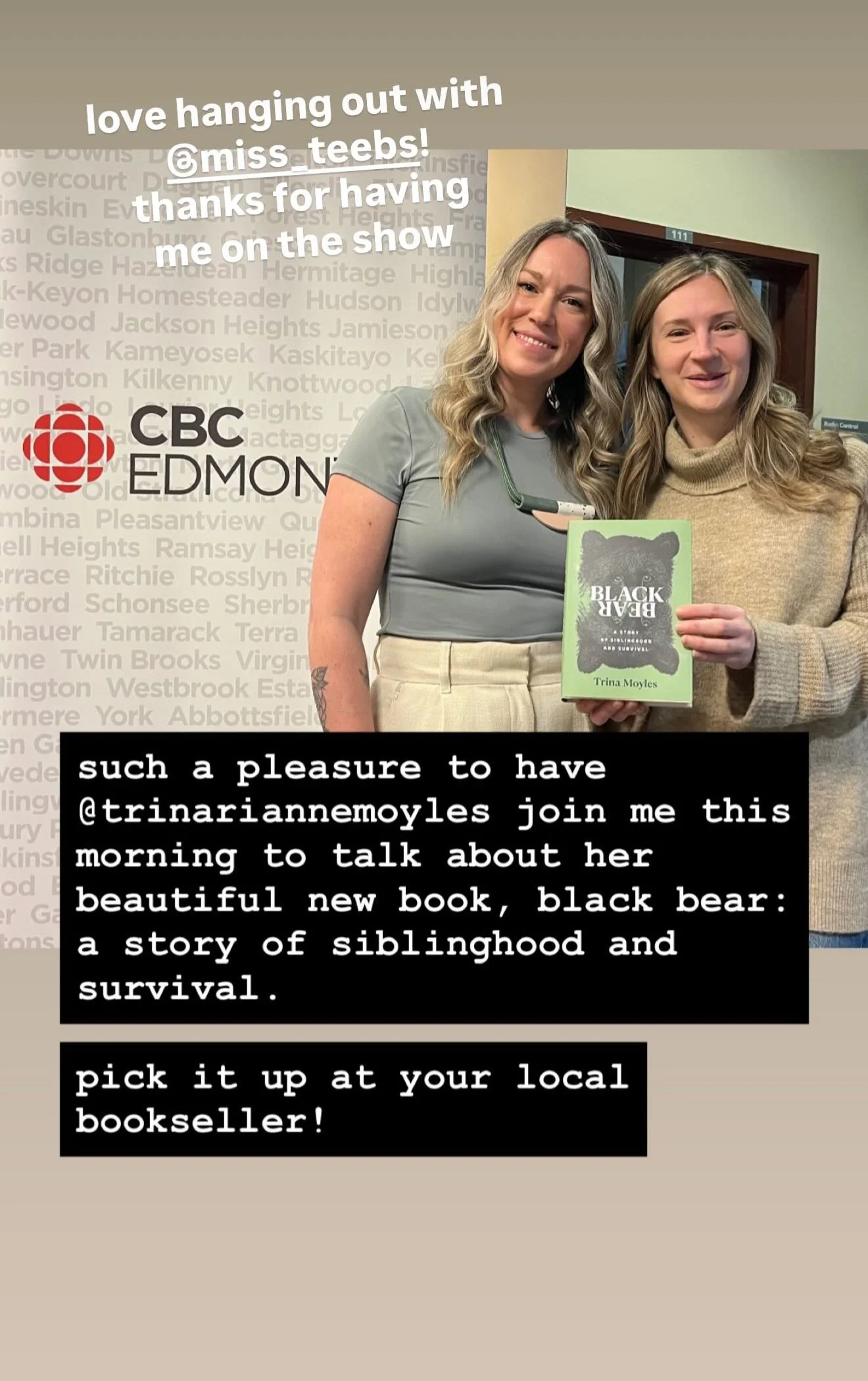
Conor Kerr and I met in 2019 in UBC’s online creative writing MFA program. We were just tiny profile photos to one another. I remember that he called himself the “Metis Cowboy” and wore a huge cowboy hat and everything (literally, everything) he wrote was so damned good and seemingly effortless that I wondered with a bit of jealousy: who is this guy? Flash forward seven years and I’d say that Conor is one of my closest writing friends. We share our early work with one another and write letters of support for another for arts grants. Conor graciously offered to host my Edmonton book launch in early January and he didn’t disappoint in delivering the wit and humour that his writing is known for in Prairie Edge and Avenue of Champions.
Edmonton is my hometown literary city, hands down. It’s the city where I took my first creative writing course and participated in my first reading at Audrey’s BOOKSTORE on Jasper Avenue. It’s also the city where I became involved in grassroots organizing and activism, and where I learned to use my words to advocate for the social causes I cared about.
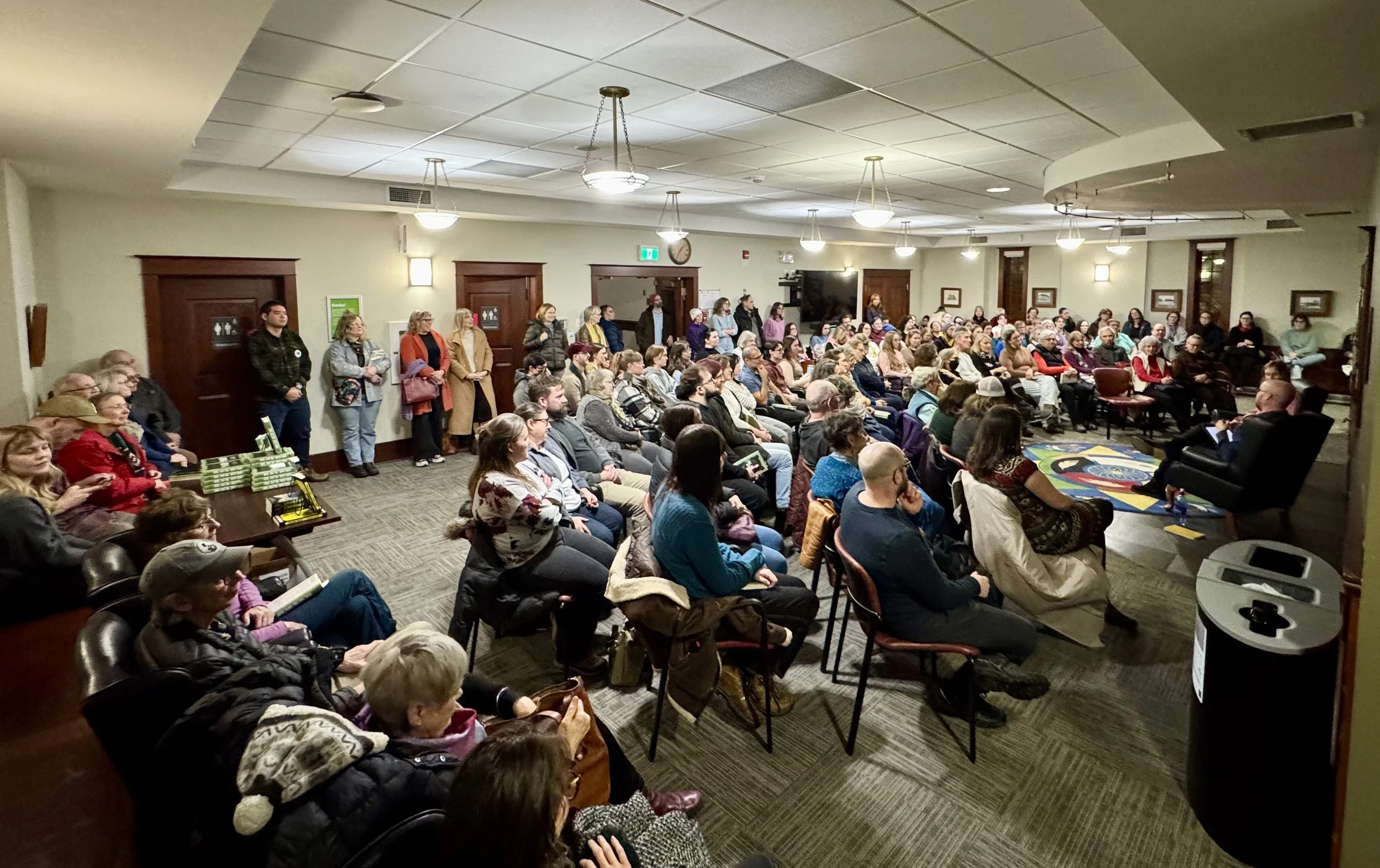
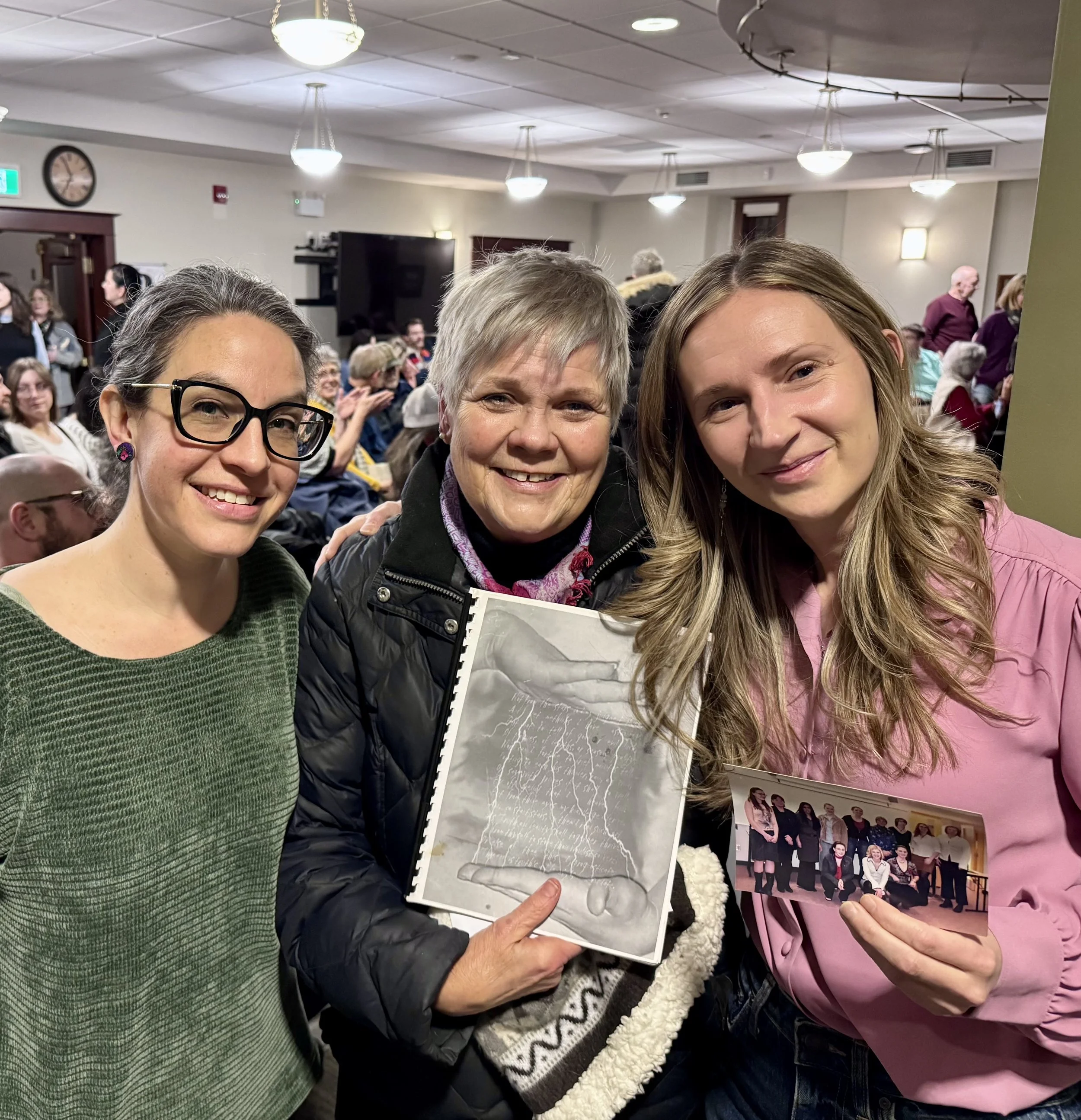
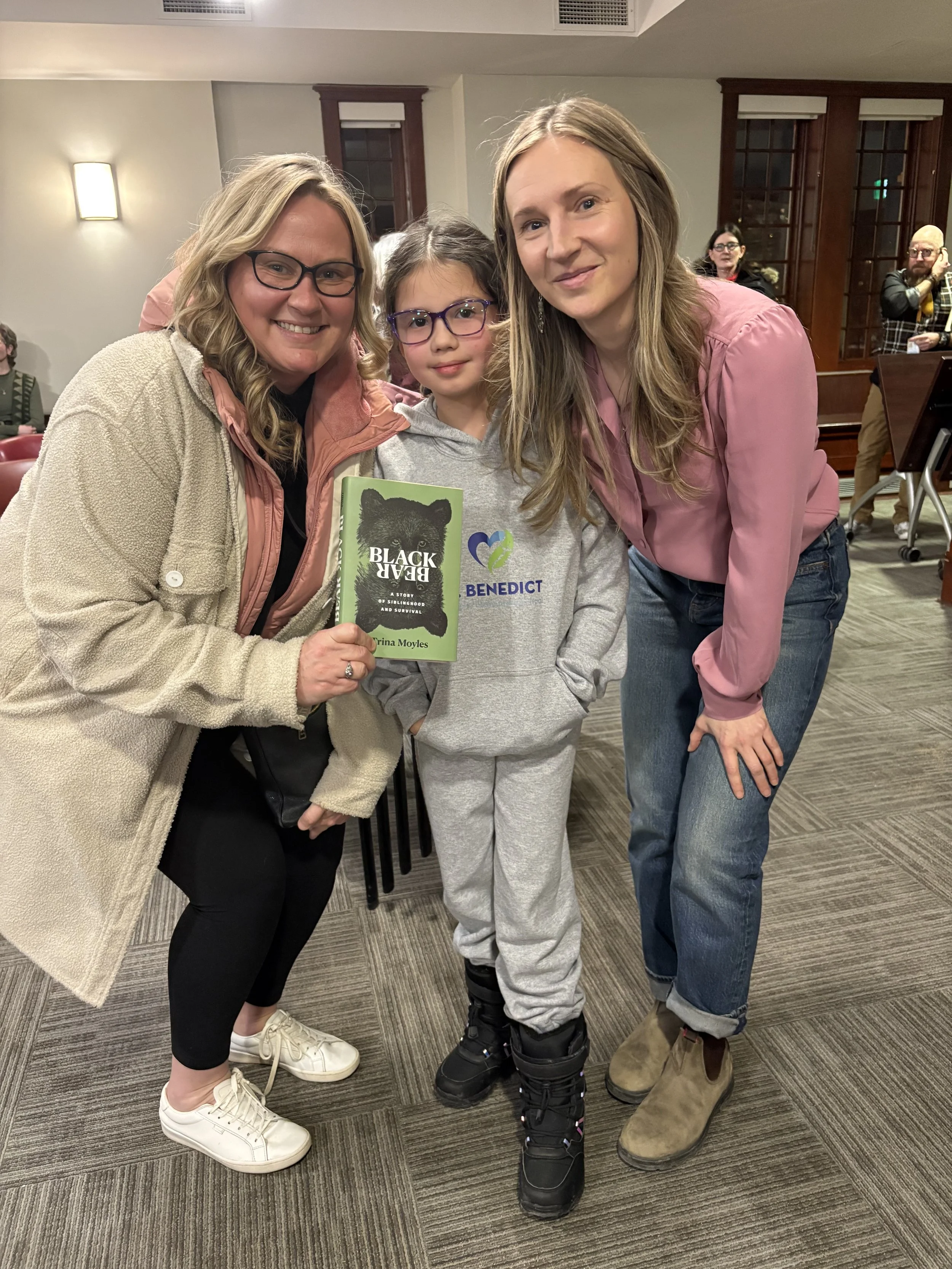
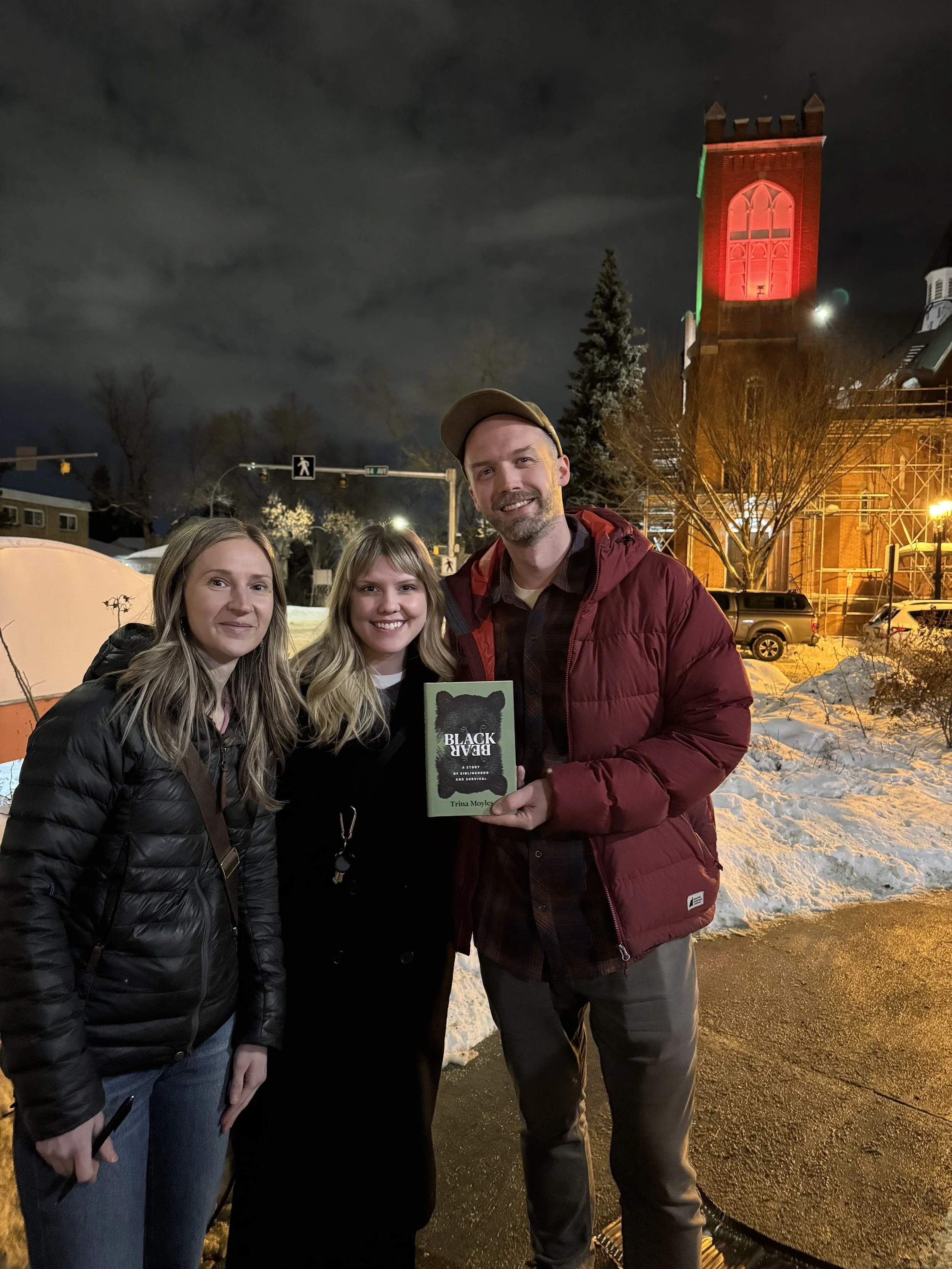
The friendships I formed in Edmonton are long lasting. A few hours before the event, my dear friend Erinne, an acupuncturist, was tapping in needles into my wrists and ankles and one atop my head, to calm my nerves. That all went out the window, an hour before the event, when I received a phone call from Michael of Porch Light Books that nothing had been set up yet. Cue panic mode. At a nearby restaurant, we canceled our orders and rushed over to the venue to set up chairs and organize the space. Lucky for me, my friends know how to mobilize, last minute. 120 people showed up and crowded in close; we didn’t have microphones. It was grassroots as a book launch could get, but the energy in the room was warm and sentimental. Close family friends came out, along with former childhood friends whom my brother and I had grown up with in Peace River. Conor kept the emotion in balance. He even made a Bernstein Bears joke and the crowd roared with laughter.
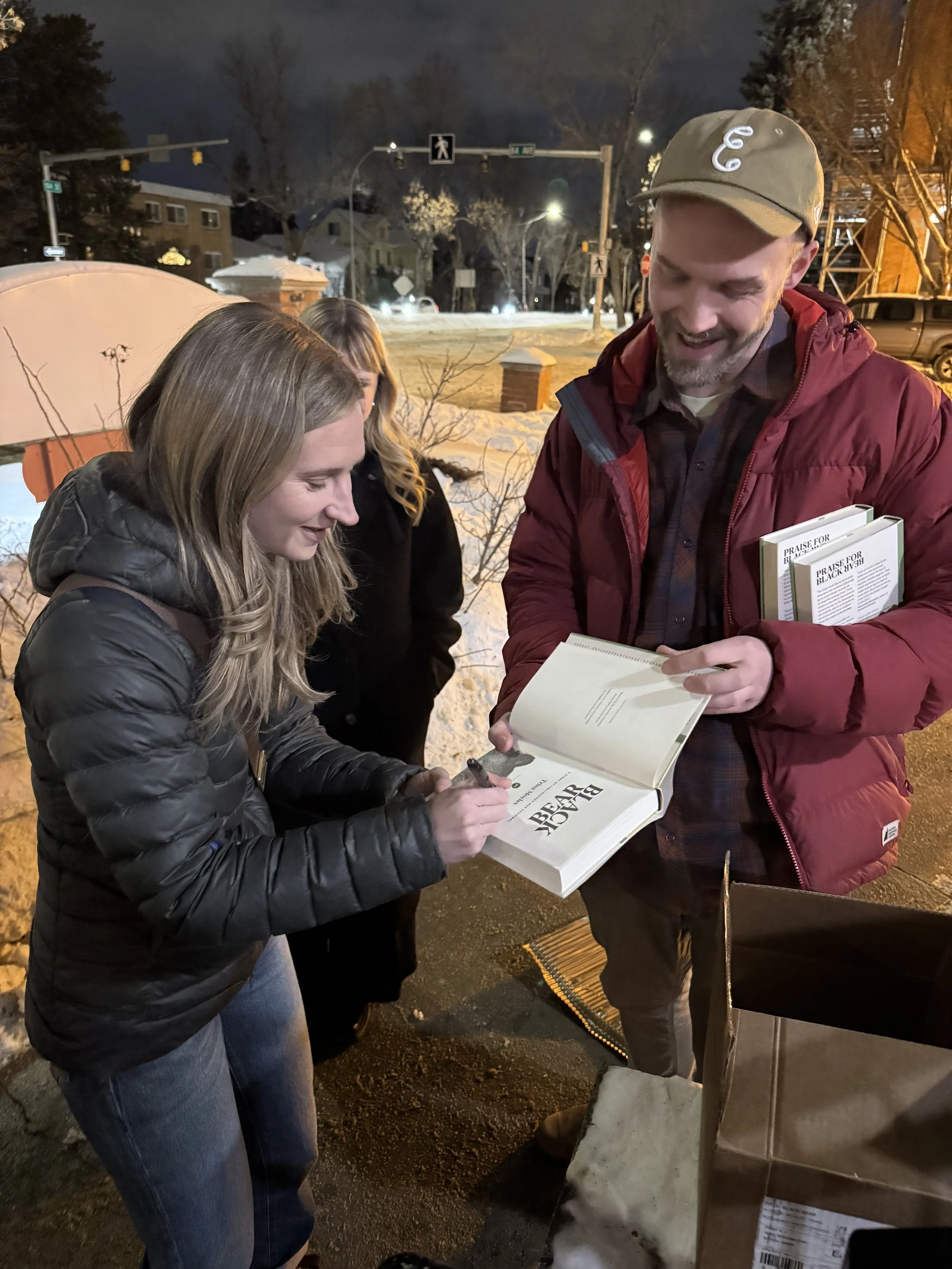
The library eventually gave us the boot (but not until the lovely staff person shared with me his own hair-raising bear encounter) and I signed the remaining copies of the book outside in the snow under streetlights—that felt all too Edmonton to me. Thank you to everyone who was there that evening. It was, by far, the most emotionally intense event. I felt tears rushing when speaking about my brother. I imagined him sitting in the back row.
POSTCARD FROM WHITEHORSE
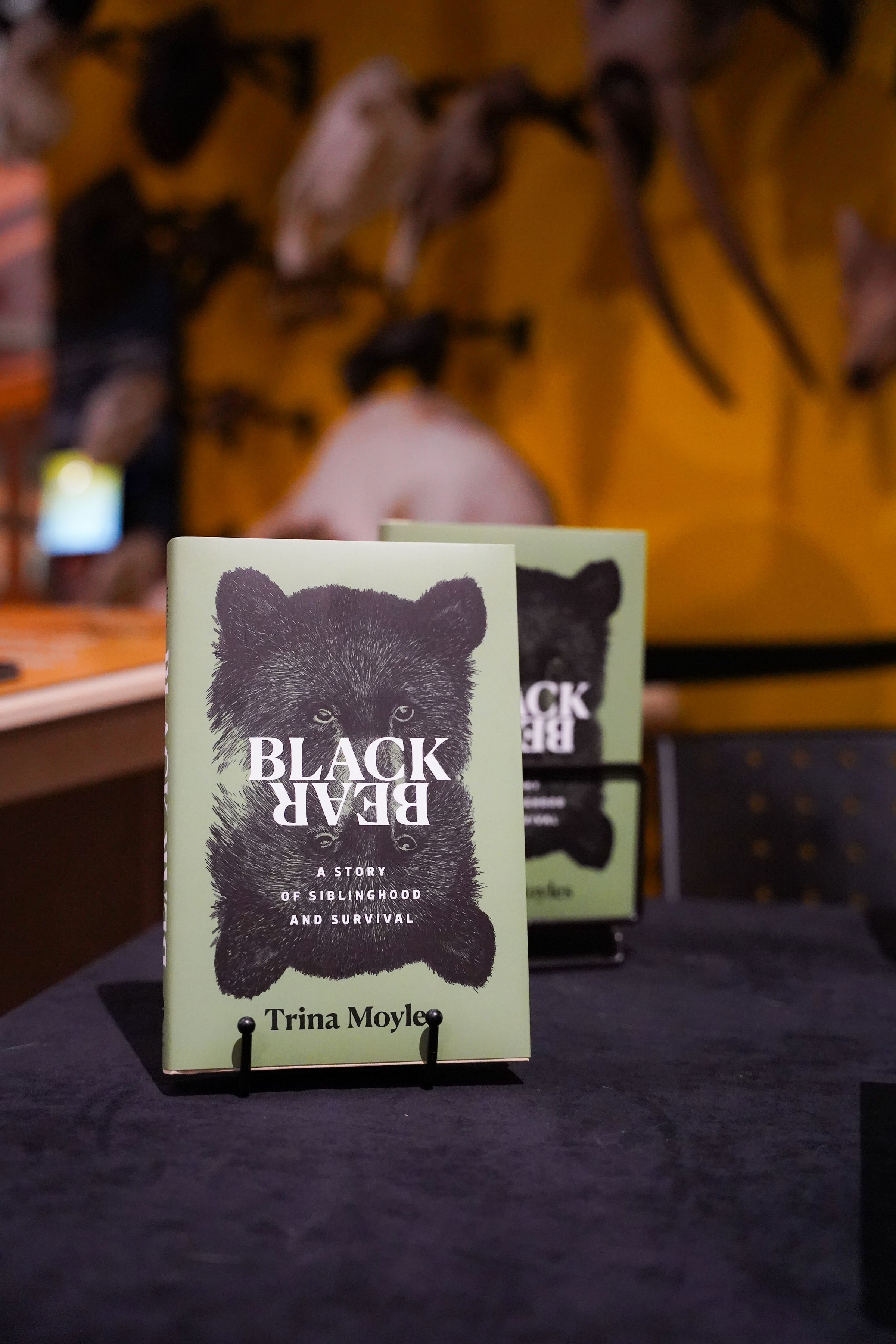
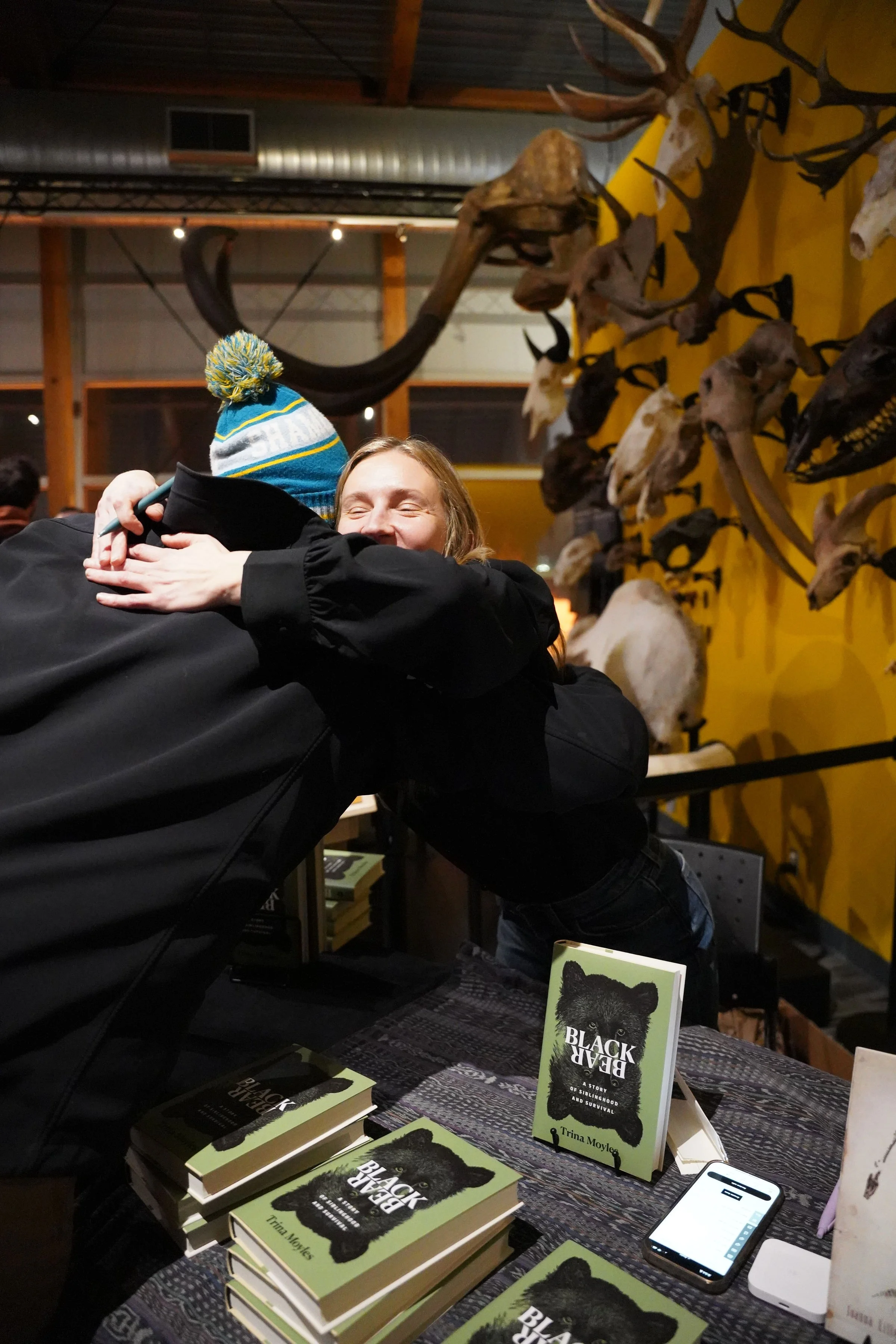
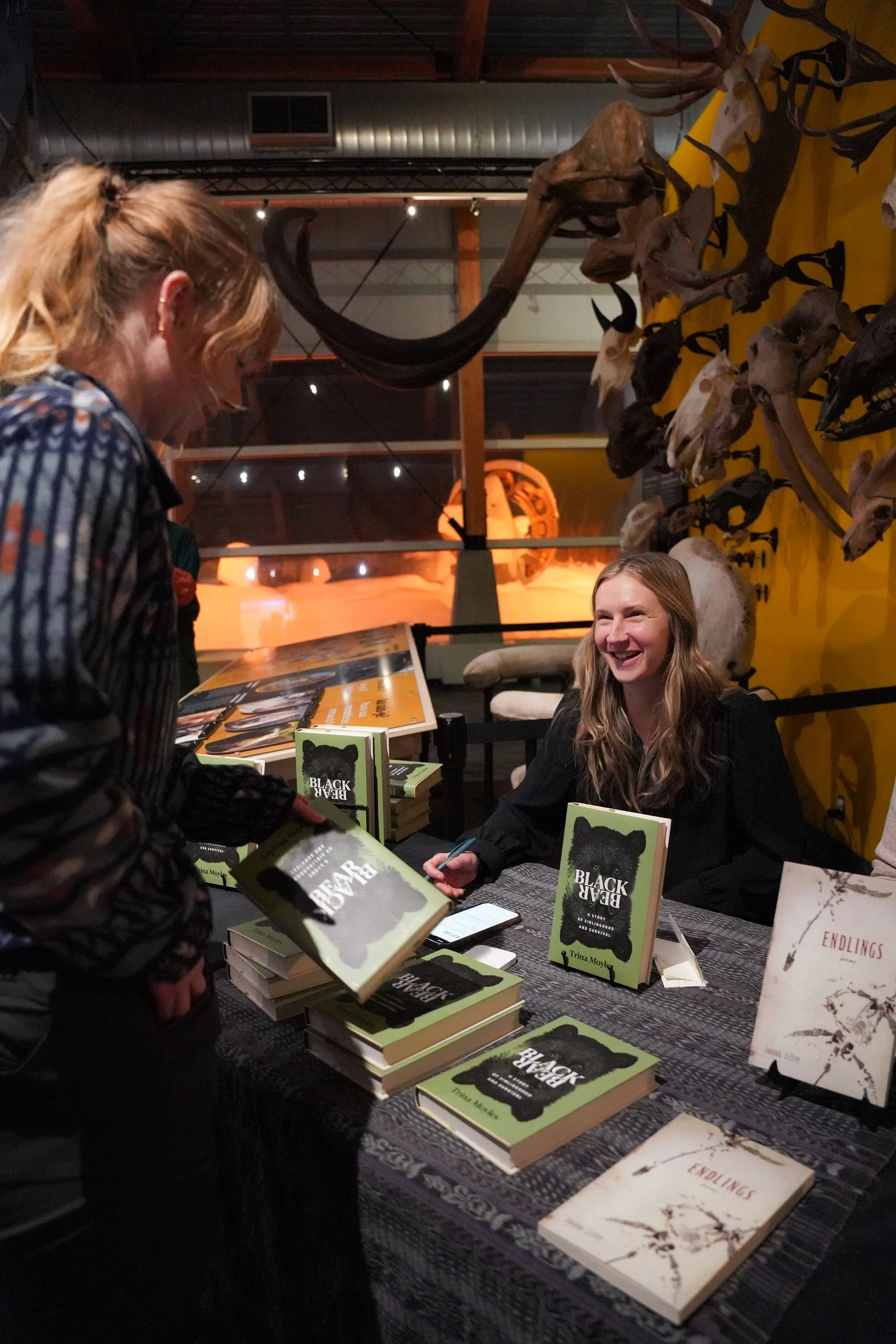
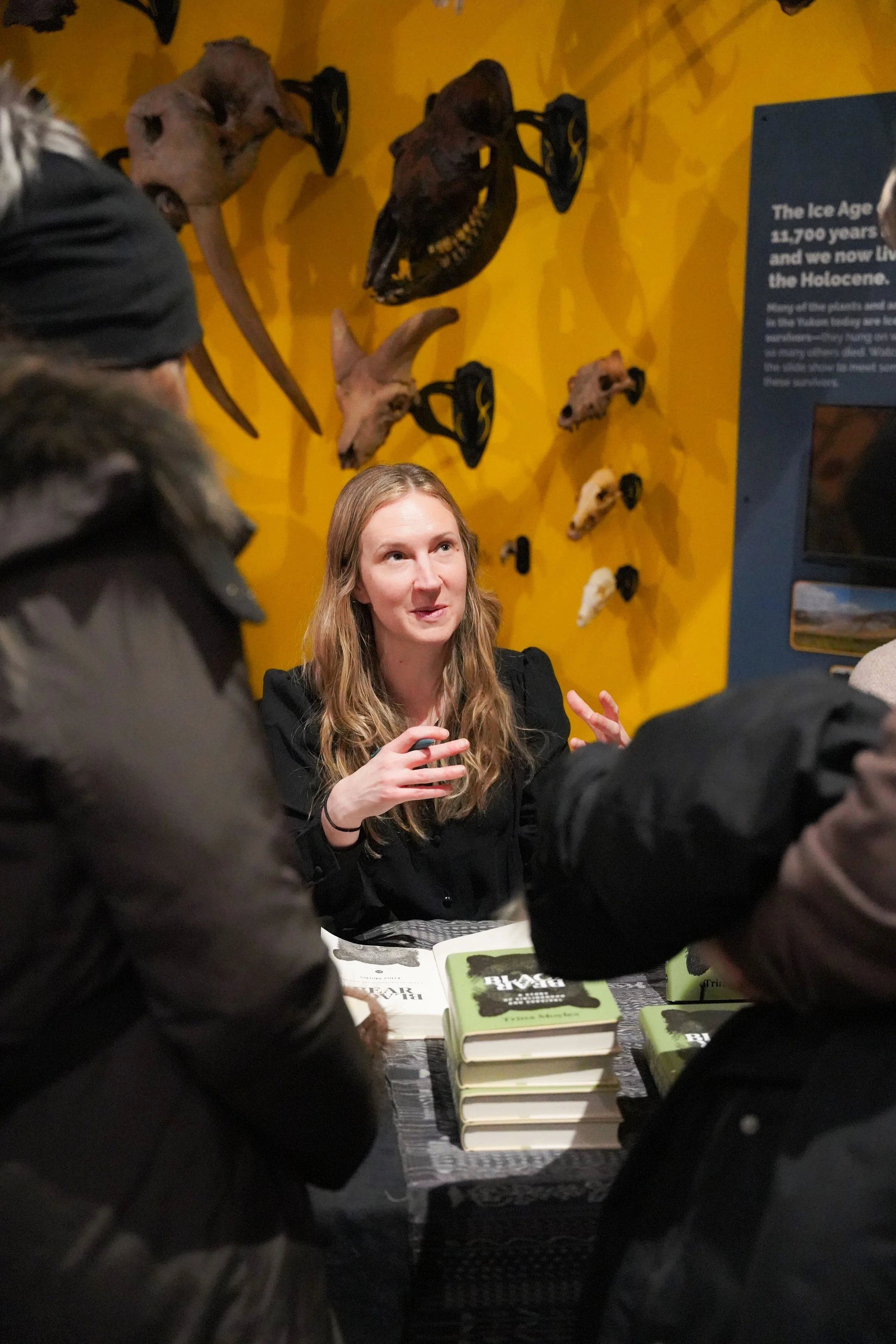
As soon as I stepped foot in the Beringia Centre in Whitehorse, I knew I’d chosen the perfect venue to launch a book about black bears. The skull of a short-faced bear—the largest land-based mammalian carnivore, that stood at 11 feet tall, and lived 1.6 million to 11,000 years ago—stared back at me.
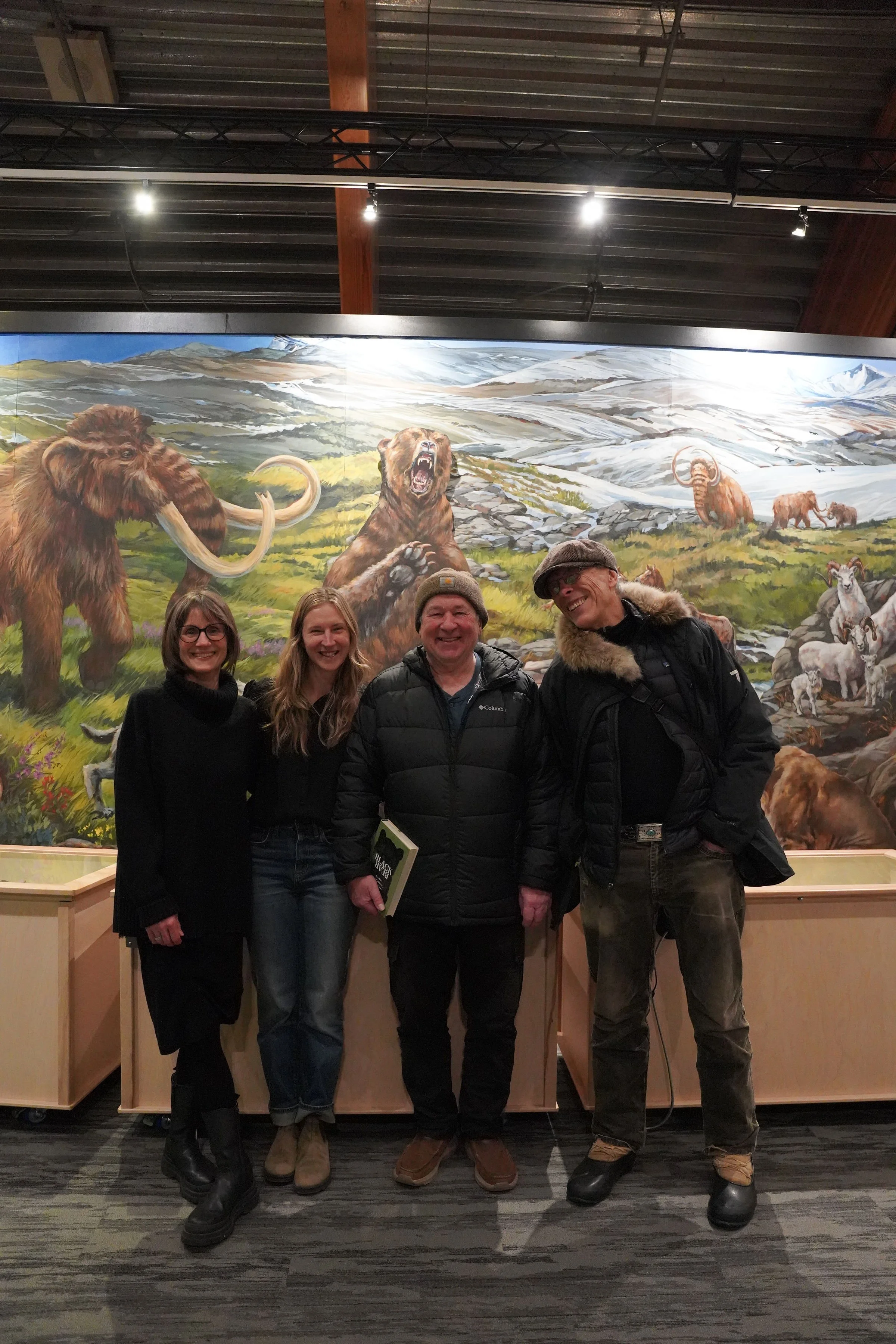
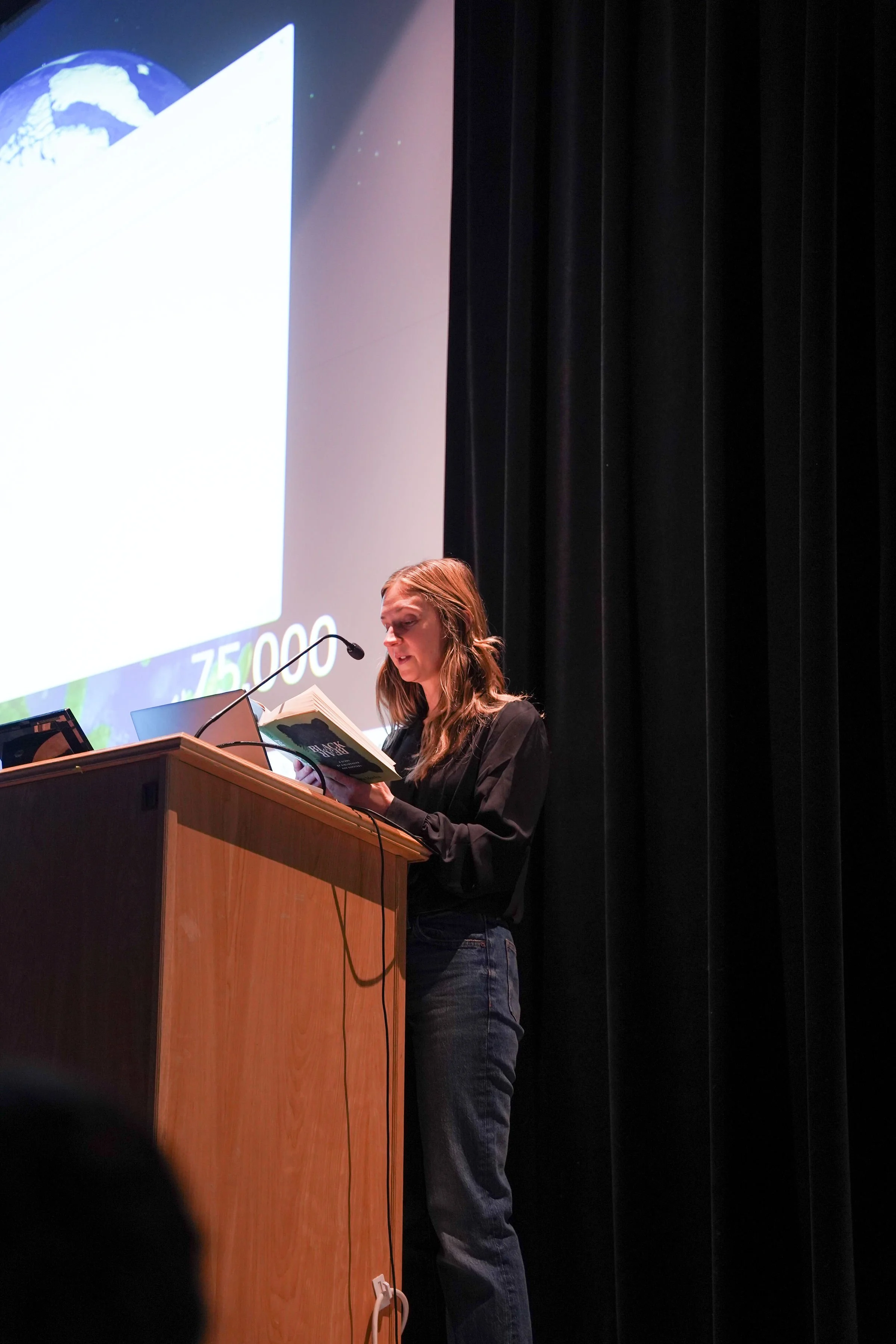
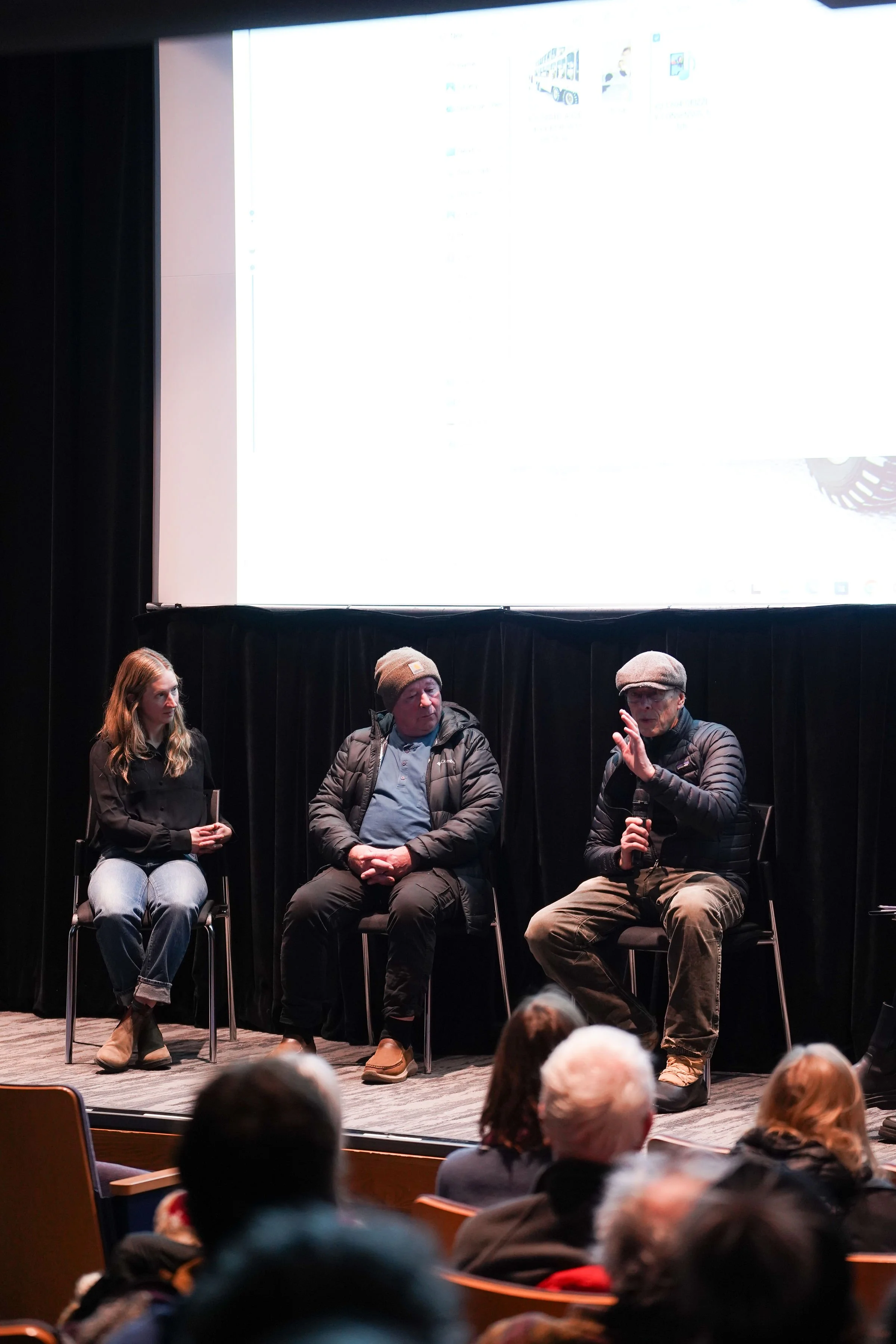
Aside from ancient bones, I was in very good bear company in Whitehorse, hosted by poet/author, Joanna Lilley, whose book Endlings captures the melancholic final moments of animal extinction, along with filmmaker Allan Code and bear guide, Phil Timpany. Allan screened his gorgeous short-documentary Grizzly Consensus that features Phil speaking about the collapse of salmon in the Yukon River watershed and its impacts on grizzlies and people and the wider ecosystem. Phil is someone whom I respect immensely. He knows bears better than most, having spent the last 45 years observing their behaviours, close-range. Today, he runs a commercial bear-viewing operation along the Taku River in northern B.C.
Phil talks point blank in Allan’s documentary: we have failed to take ownership of the decline of salmon and, because of our lack of meaningful action and intervention, we do not deserve them. Joanna graciously hosted the three of us in conversation; no doubt, the Q&A veered into salmon politics (as we knew it might).
A biologist in the audience commented how refreshing it was to hear people speak freely, without worry of “stepping on toes”. He also joked, “Trina, now you know what happens when salmon enters the conversation in the Yukon—it takes over everything.” The crowd laughed because it’s true. But the way I look at it is you can’t really talk about bears in the Yukon without talking about salmon.
I was in awe by how many people came out that evening—probably over a hundred—and, as a writer who is new to the Yukon, it made me feel very at home. Many thanks to my friends Naomi Mark, who helped to sell books, and Annika Phillips for her beautiful photography.
POSTCARD FROM CALGARY
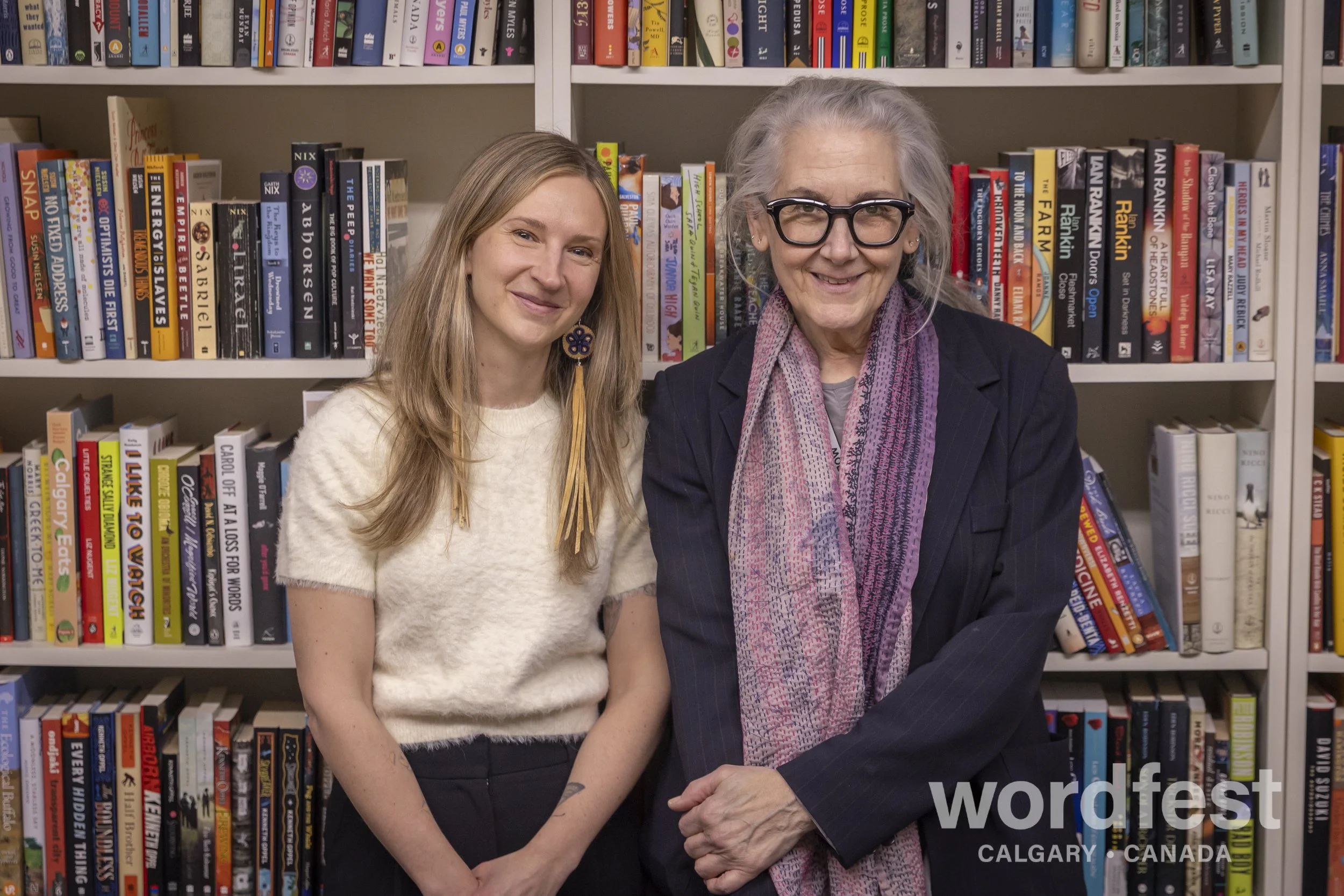
There are many books I referenced while writing Black Bear and one of those books was Bears Without Fear by Kevin Van Tighem, an Alberta-based author, ecologist, and former park warden. I’ve long followed Kevin’s writing with admiration and respect, including his former political column in Alberta Views. In 2018, I published an essay about growing up in northern Alberta and declining caribou herds called Herd Memory, and Kevin reached out to let me know that the piece had moved him to tears. I was so struck by his kindness and encouragement. Kevin has since become a vital mentor and friend. Plus, Kevin knows bears. He’s responded to them as a park warden, an avid hiker and hunter. He was good friends with the late Charlie Russell, an author and ecologist from Alberta, who rehabilitated orphaned brown bear cubs in the wilds of Kamchatka, Russia.
Kevin was one of the first biologists to reassure me, it’s okay to “name” the bears who lived around my fire tower. In fact, it could help build empathy and create more care for a species that most treated like a “second class citizen”, or a “black rat”. I interviewed him several times whilst working on the book; and I was nervous for his reaction when I sent him a finished copy. He loved the book. I was floored. He offered to host an event together at Wordfest.
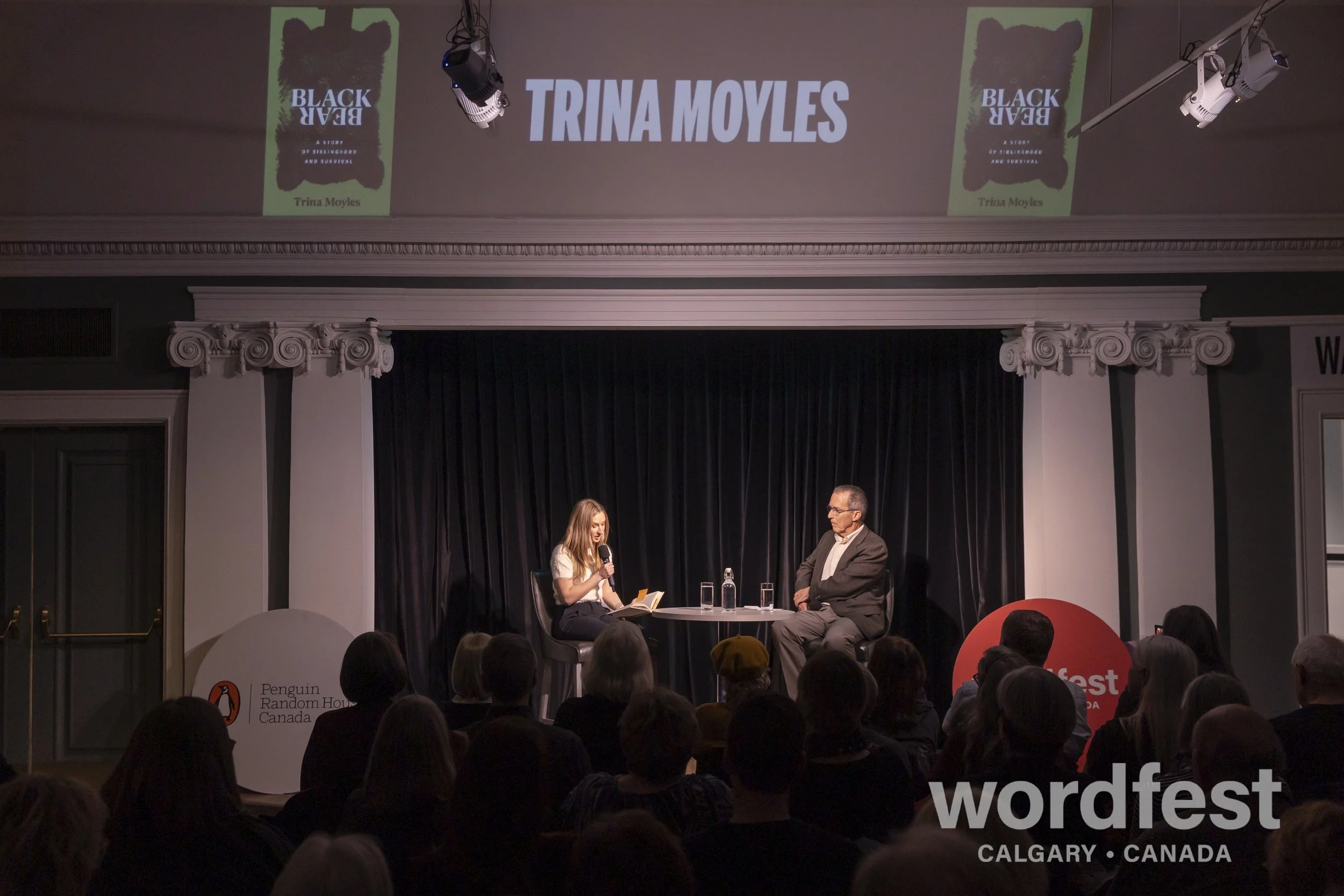
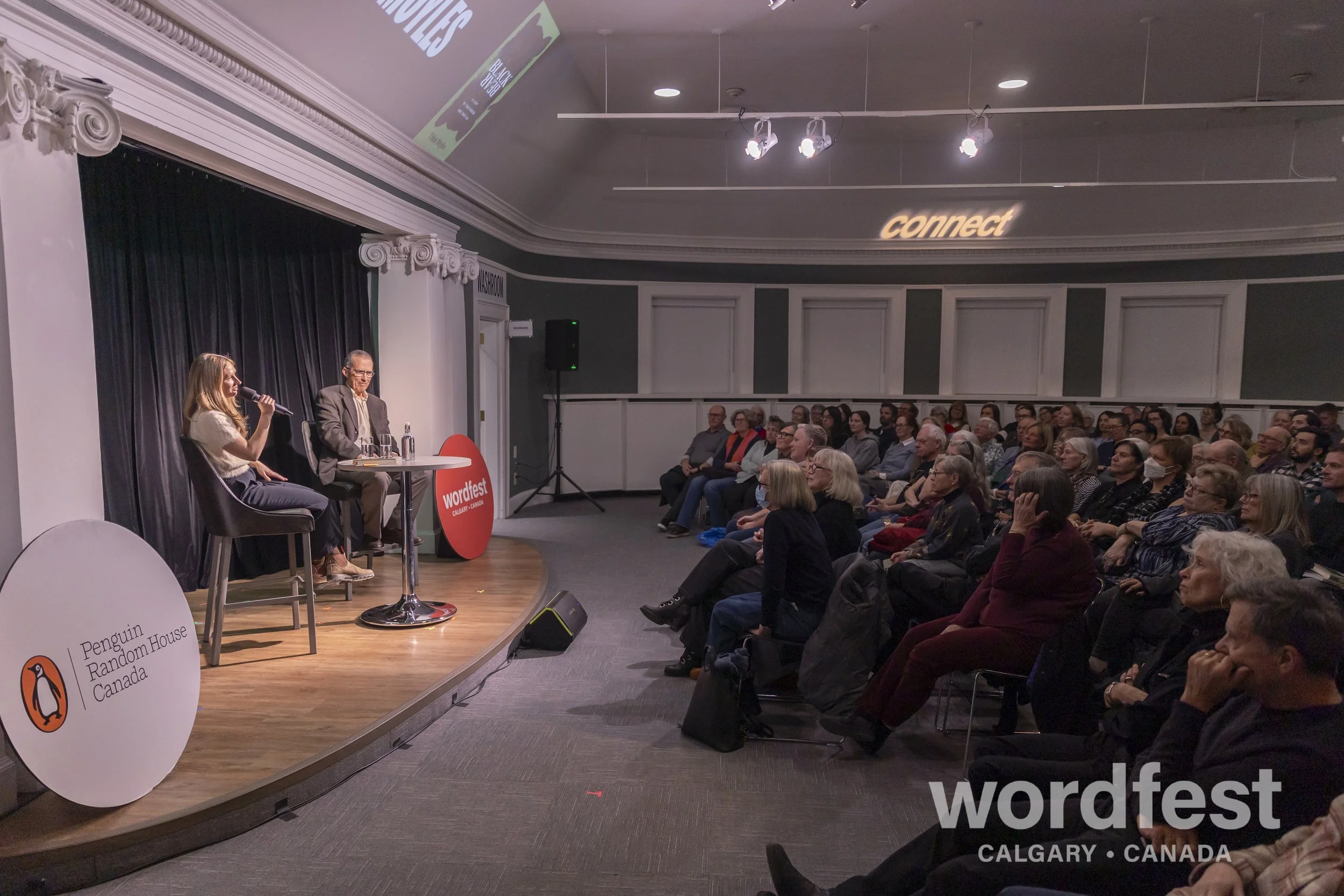
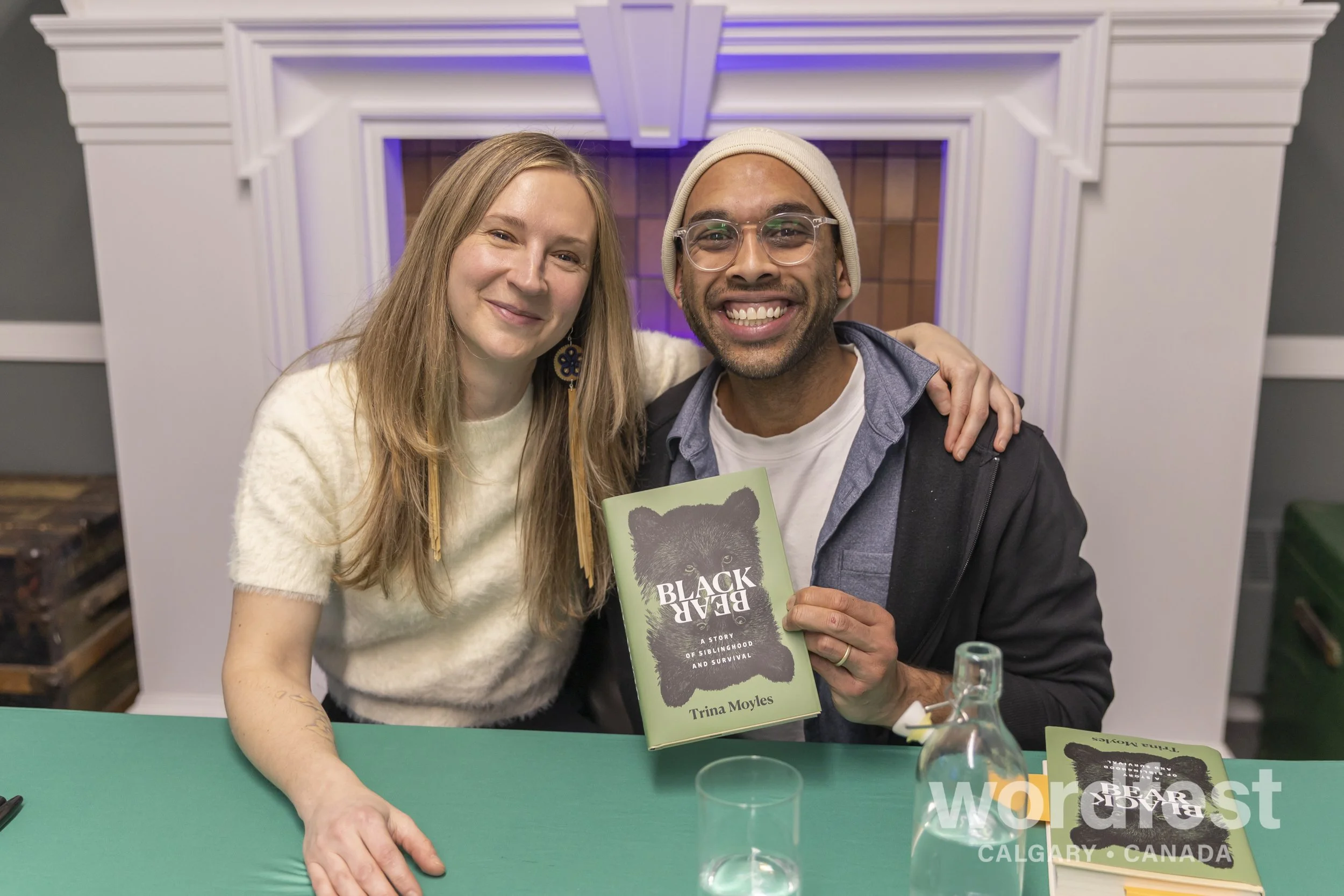
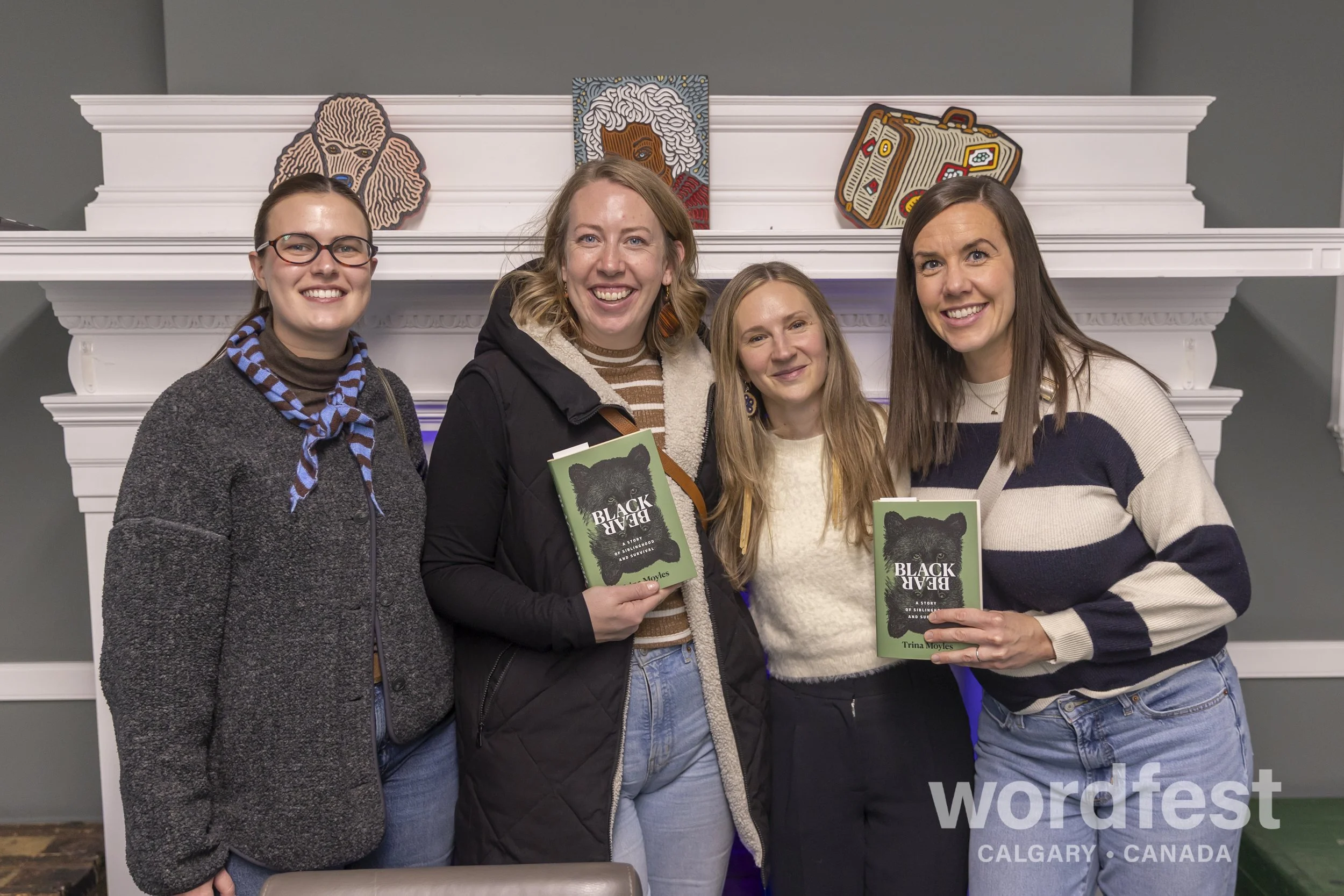
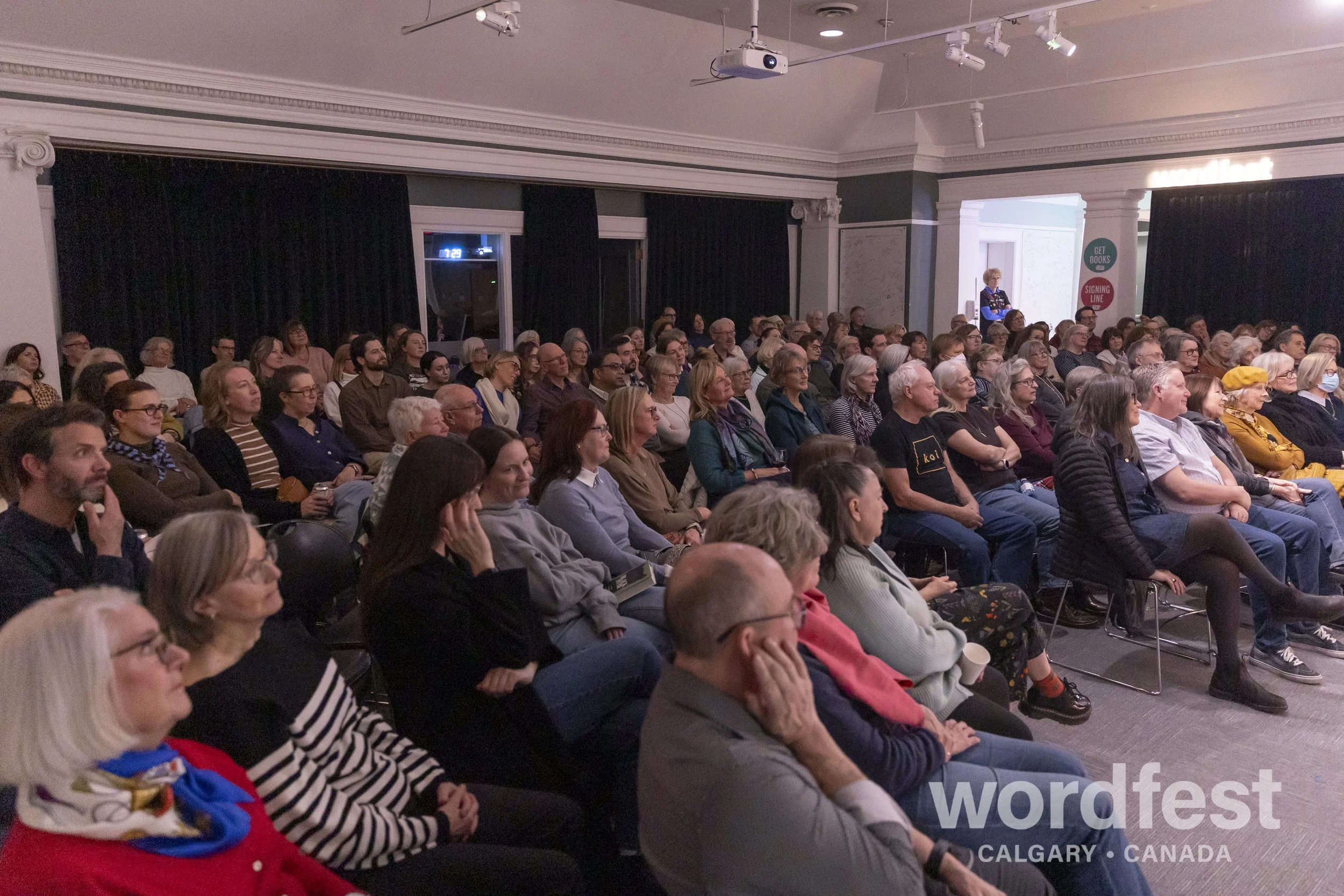
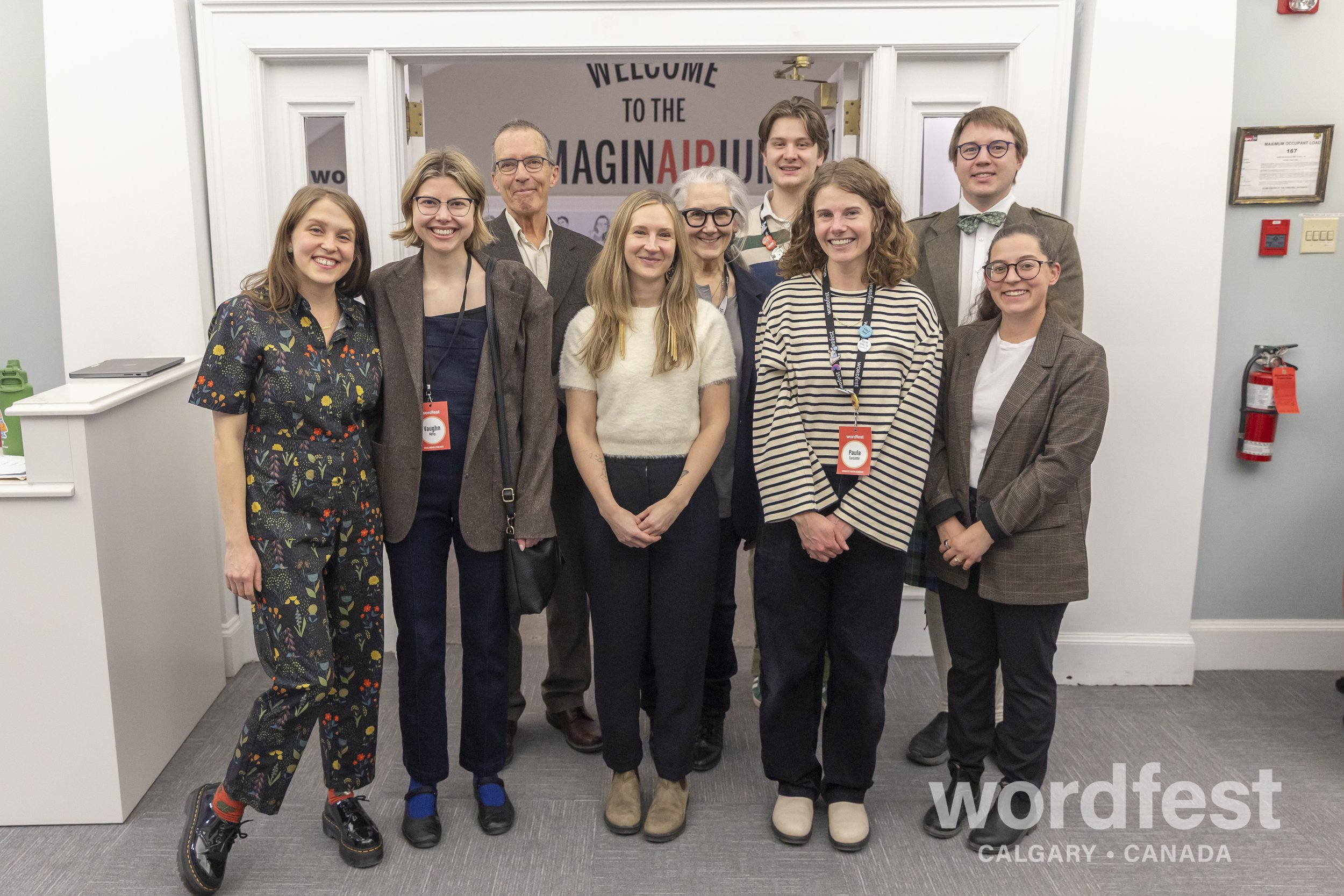
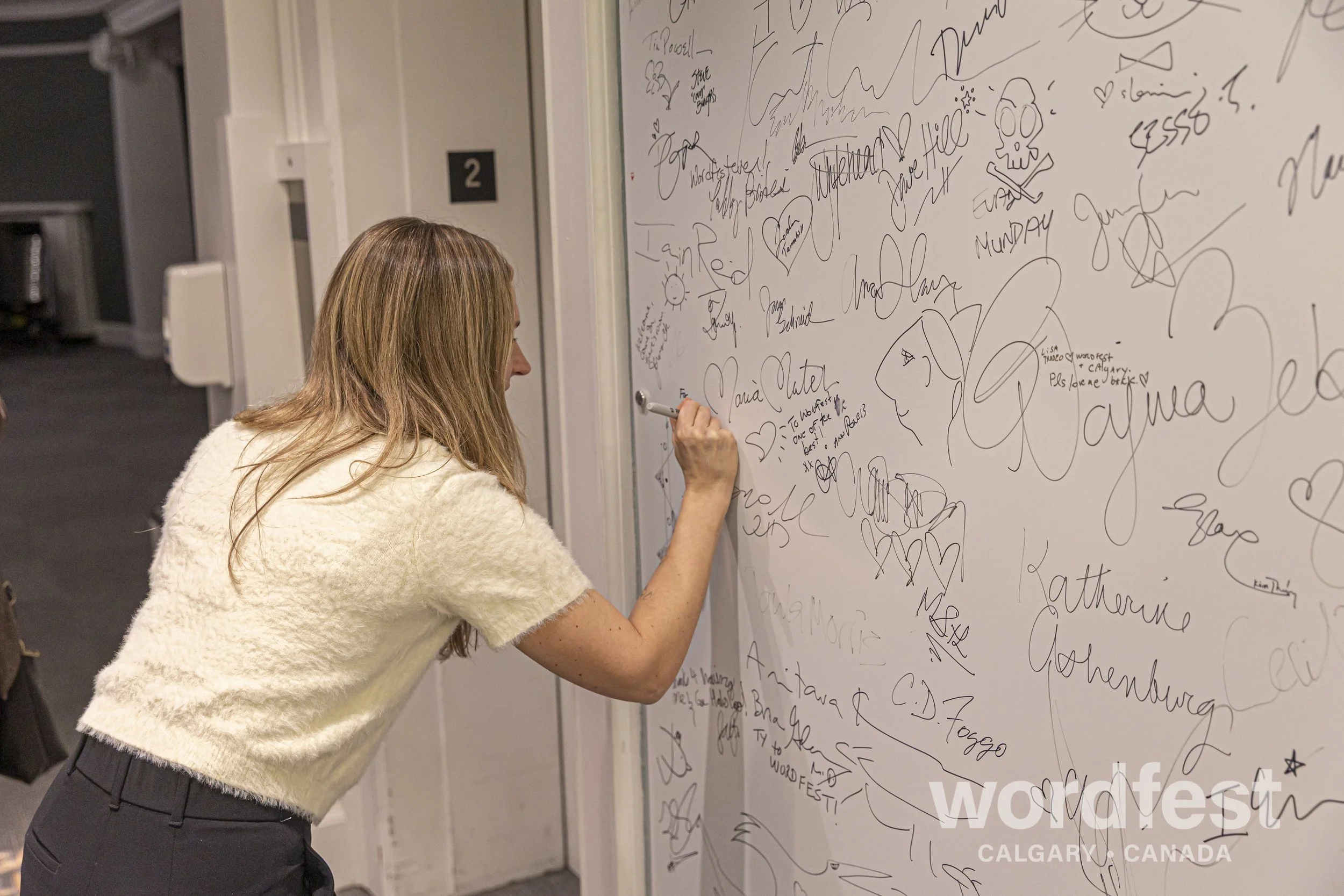
I’m glad my dad drove down to Calgary to “witness” the event. Wordfest has this particular way of “making writers feel like rockstars”, says my friend and fellow author, Marcello Di Cintio. Think: well-lit stage, my book cover projected onto the ceiling, a special introductory “book trailer” tailored specifically to Black Bear, music, drinks, special chocolates made in the shape of bear claws. I signed a tote bag next to Margaret Atwood’s signature and felt like a total imposter.
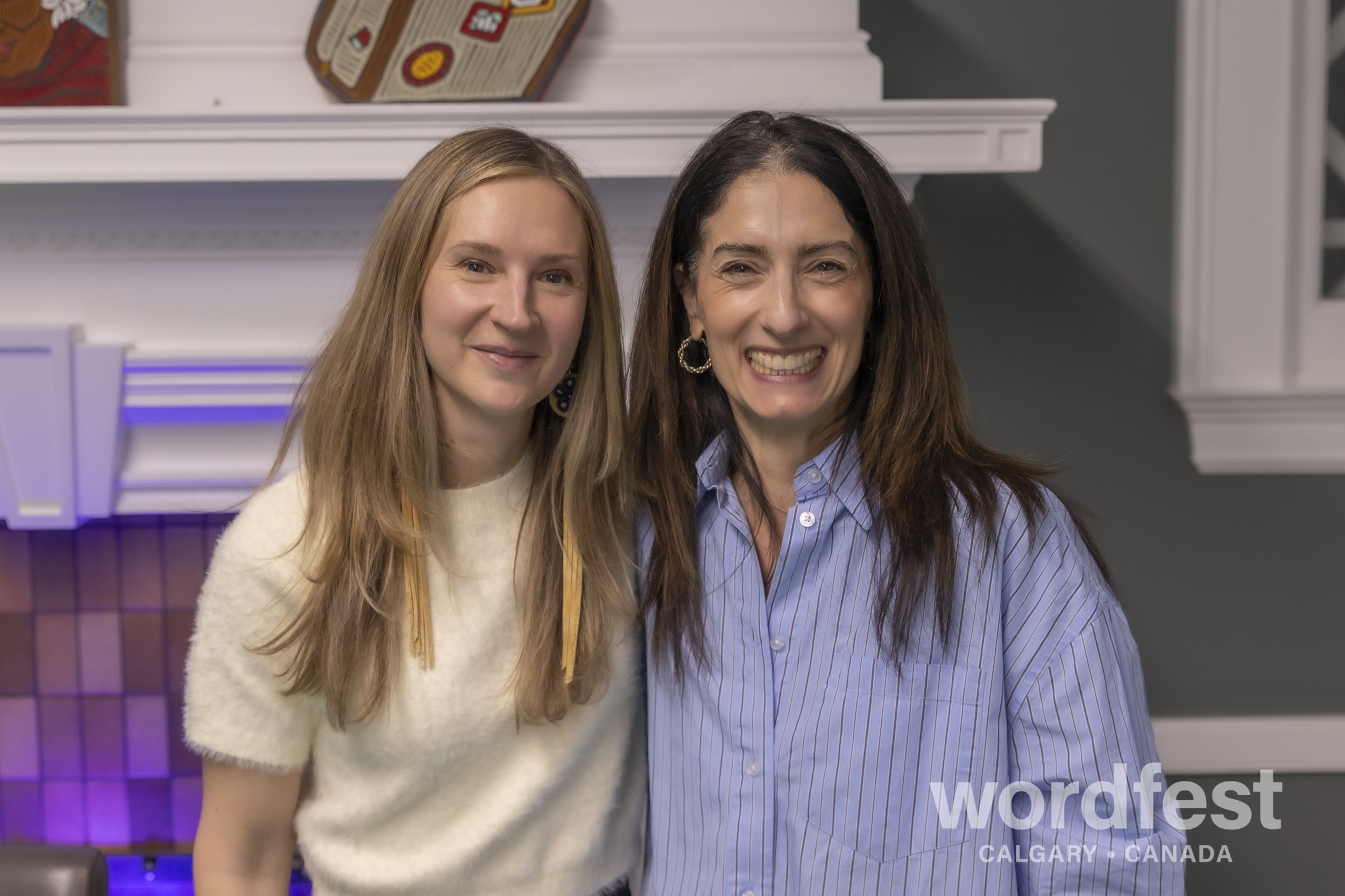
Wordfest doesn’t just host book events, they build experiences for audiences to get closer to the essence of individual books and authors. Trust me, it’s an experience for writers, too! I think I hugged Rita, one of the amazing organizers, like ten times through the evening, all while mumbling to her, “this is the highlight of my career.”
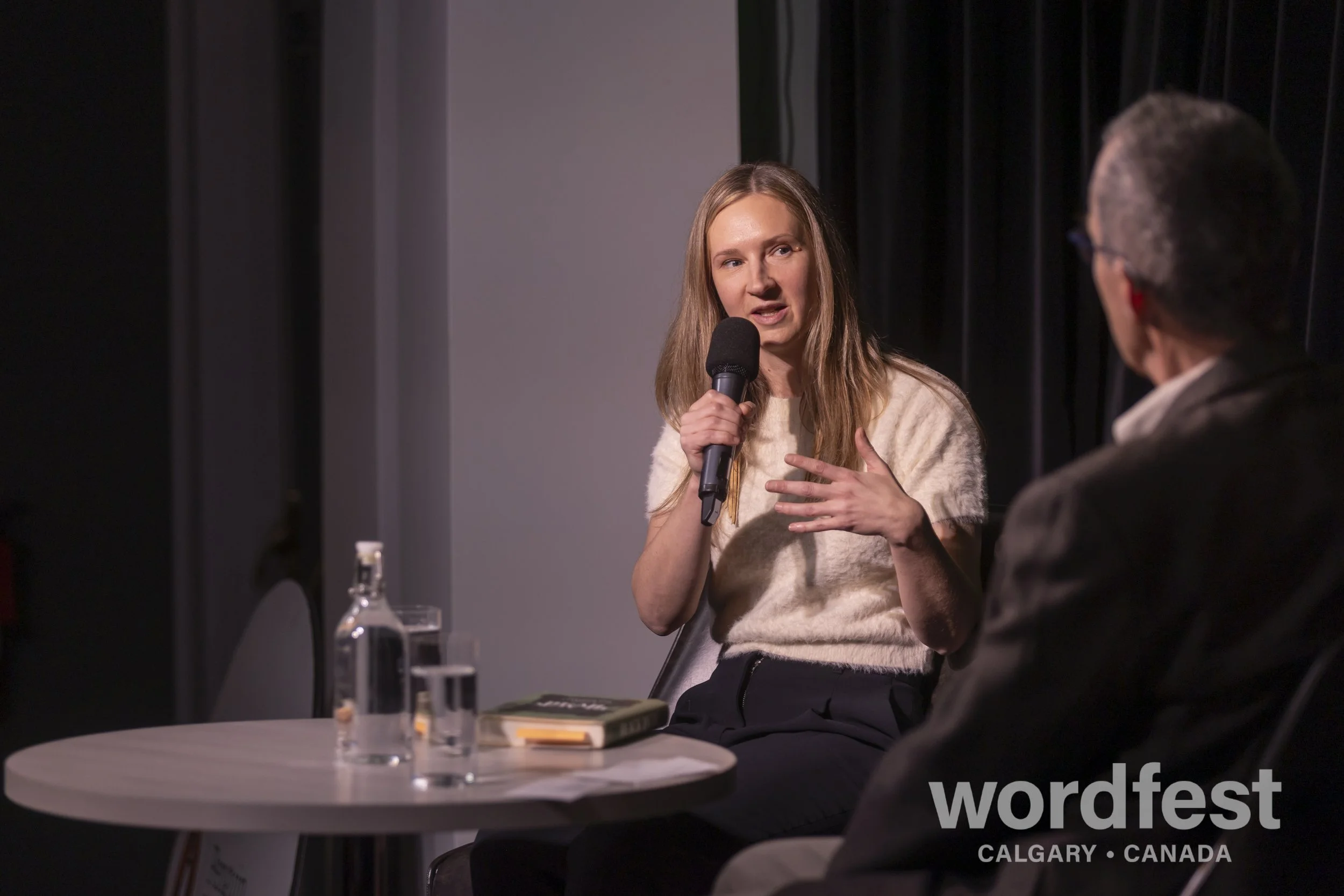
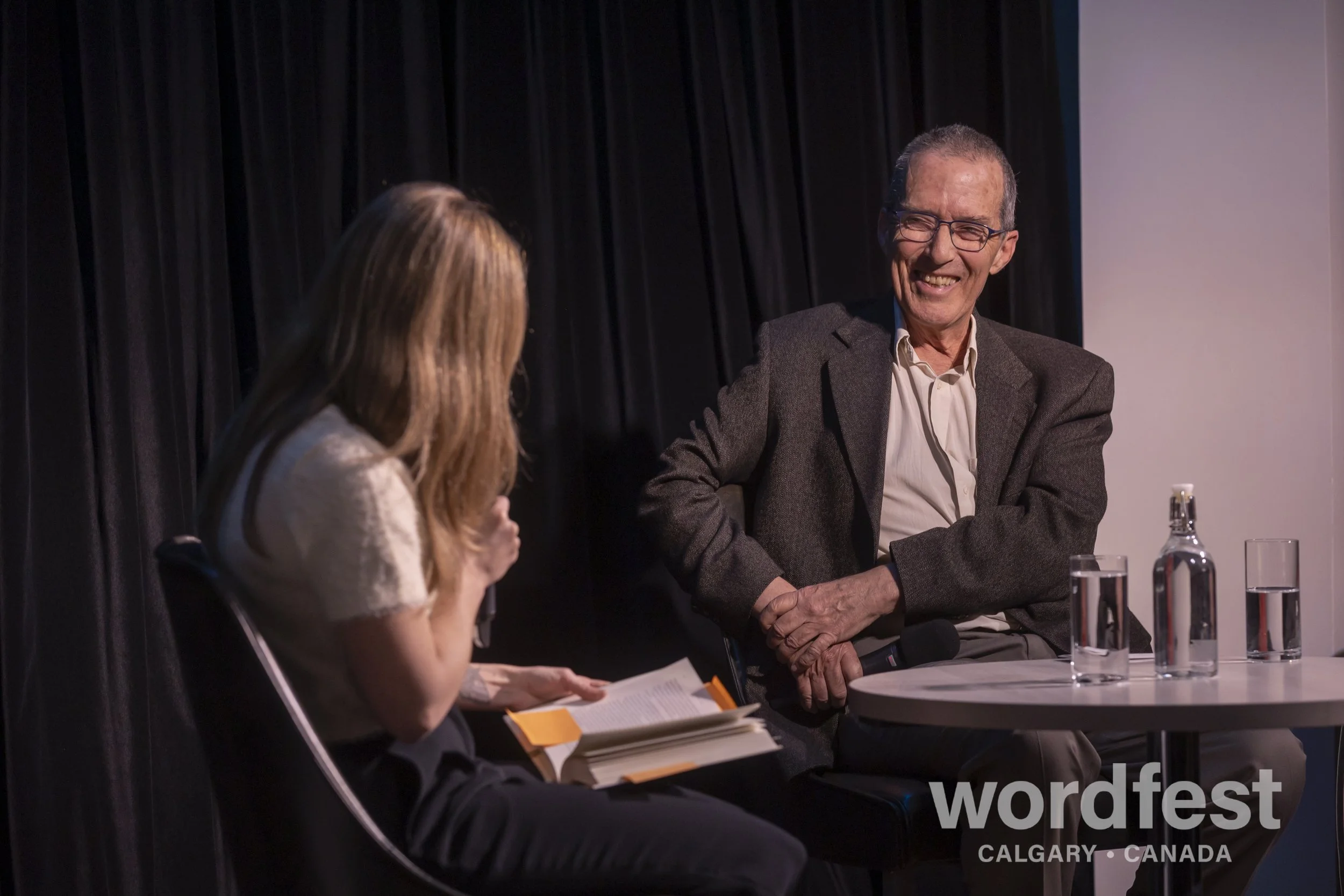
Presenting with Kevin, who recently published Understory: An Ecologist’s Memoir of Loss and Hope, was an incredible experience that I’ll never forget. We covered a lot of territory in the conversation, from bears to my brother, even digging into the story of suicide amongst oil workers in Alberta. One audience member shared a story about formerly working in oil and gas and being teased/mocked by his coworkers for reading books at lunch. Another audience member asked a question that bordered on spirituality and I leaned into it: I think Western mindsets discourage this level of relation between human and nonhuman species. Why? Maybe because it allows us to maintain a feeling of separateness, or dominion, over. I was even hesitant in my answer, however, and Kevin gently validated me, “I think the bears knew you, Trina.”
I’ll never forget this event. Thank you to Wordfest organizers for facilitating such a beautiful evening!
postcard from park city, utah — sundance film festival
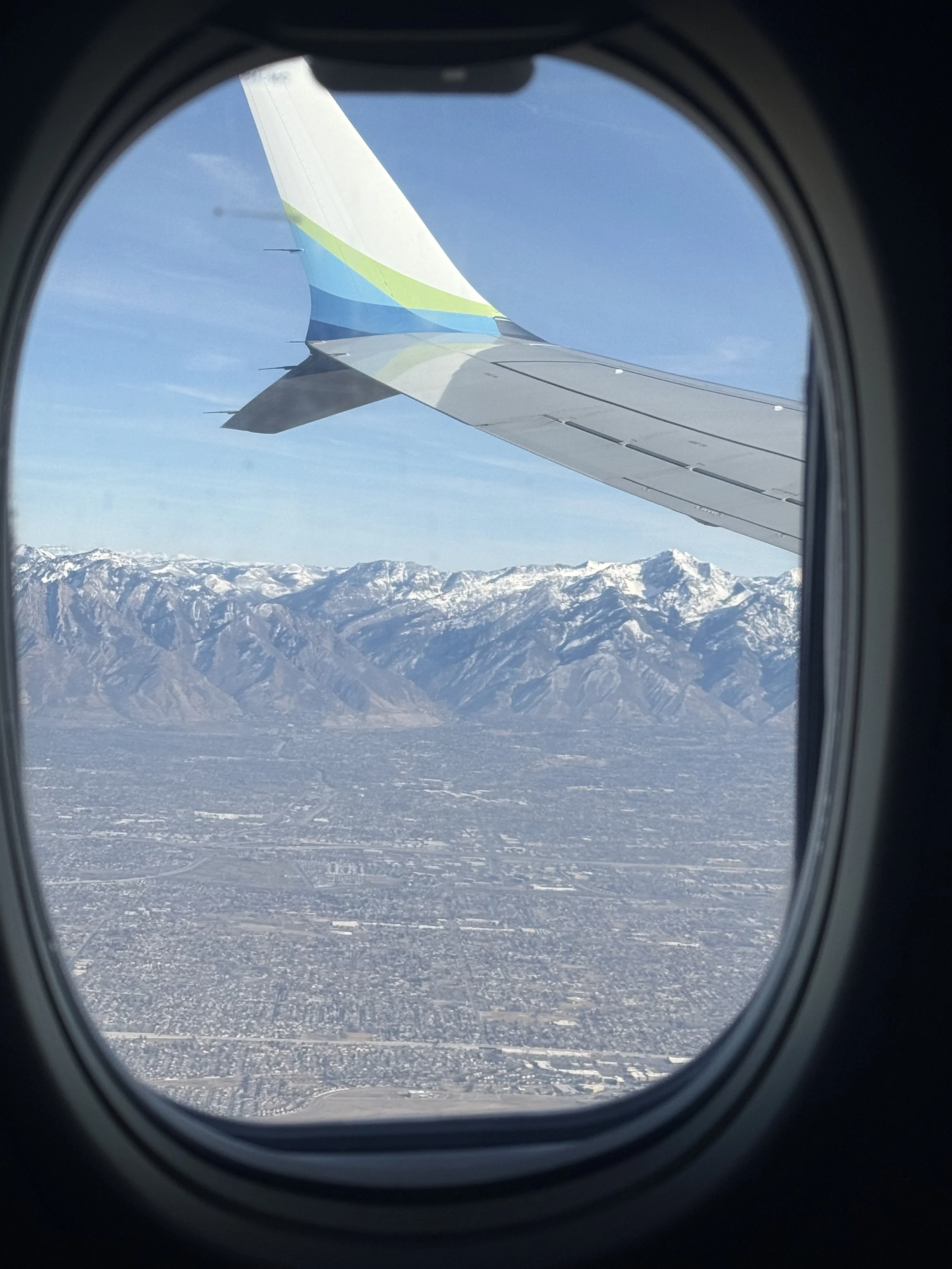
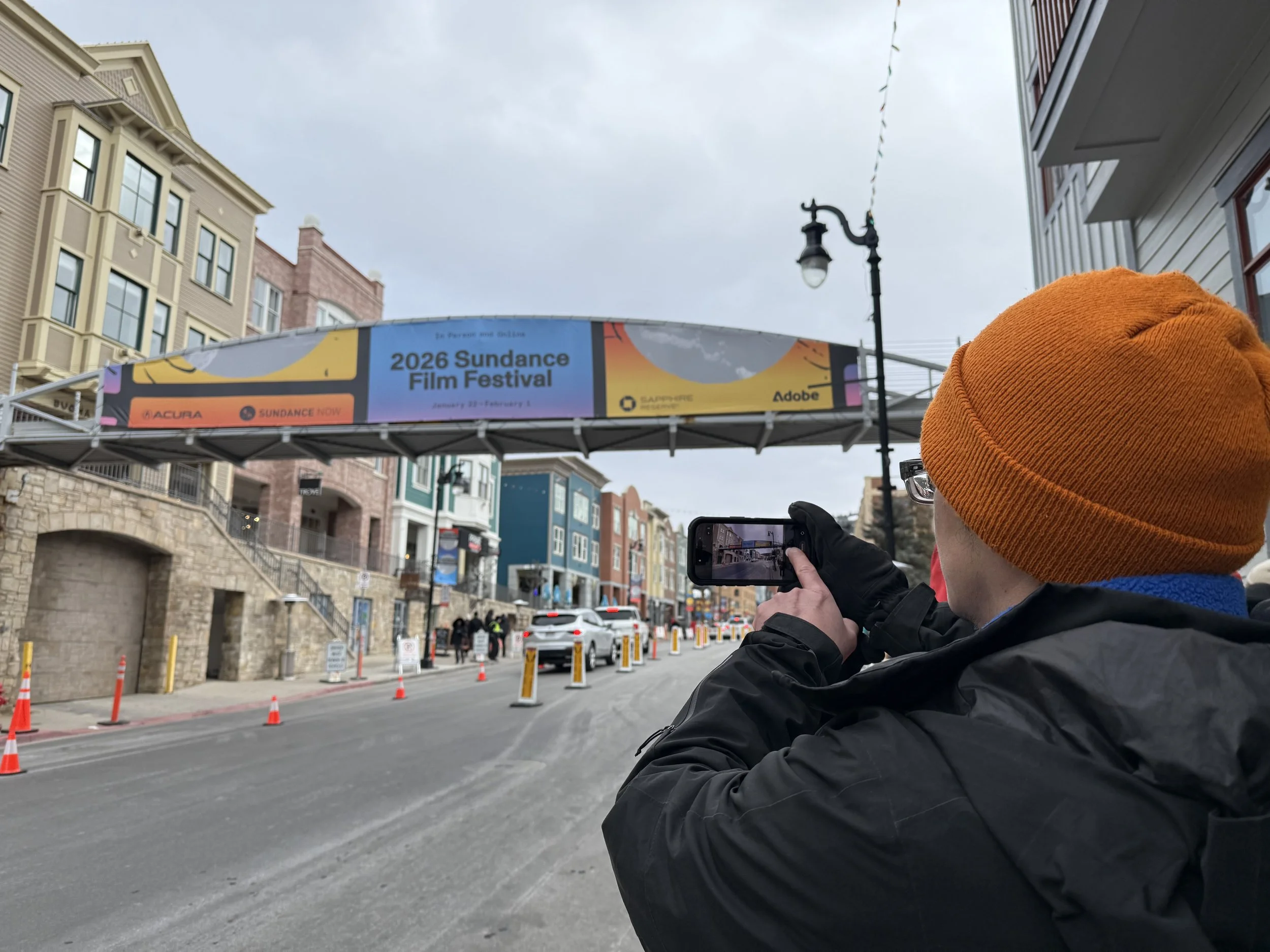
On January 20, myself, Mike, and his father, Allan, flew south to attend Sundance Film Festival in Park City, Utah. We crossed through U.S. customs in the Vancouver airport as a family unit with serious trepidation, I might add. In the days leading up to the trip, we contemplated bringing burner phones, or deleting social media apps. In the end, our border experience was benign, even comical, as the border guard took great interest in the subject nature of Mike’s film (polar bears) and began to preach to us about the impacts of climate change. His diatribe shifted to Washington’s plans to reintroduce grizzly bears in the North Cascades, where they are extirpated. “Crazy!” he said. “Brown bears are dangerous! They will eat you!” We nodded politely. I suppressed a laugh. There’s no way we would’ve disagreed with the guy, but he obviously had no idea who he was talking to.
We landed in Salt Lake City, an improbable city built by Mormons fleeing persecution in 1847. The harsh sunlight illuminated a cloak of dust in the atmosphere. (Later, we’d learn that the dust is from the rapidly drying Salt Lake. Scientists have recently found that the dust contains high levels of arsenic, raising the alarm bells. This story was brought to life in The Lake, another documentary film competing in the U.S. category at Sundance).
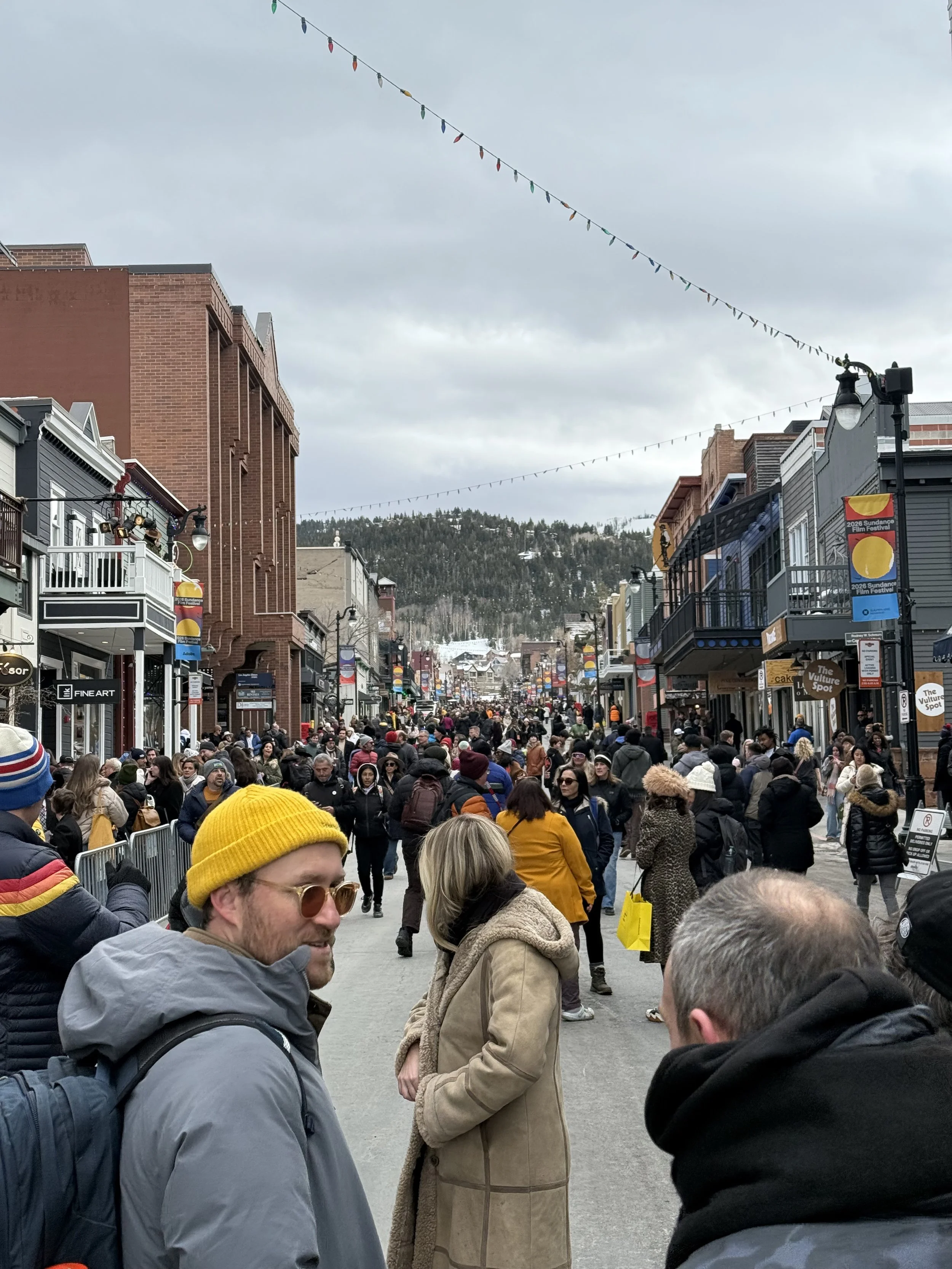
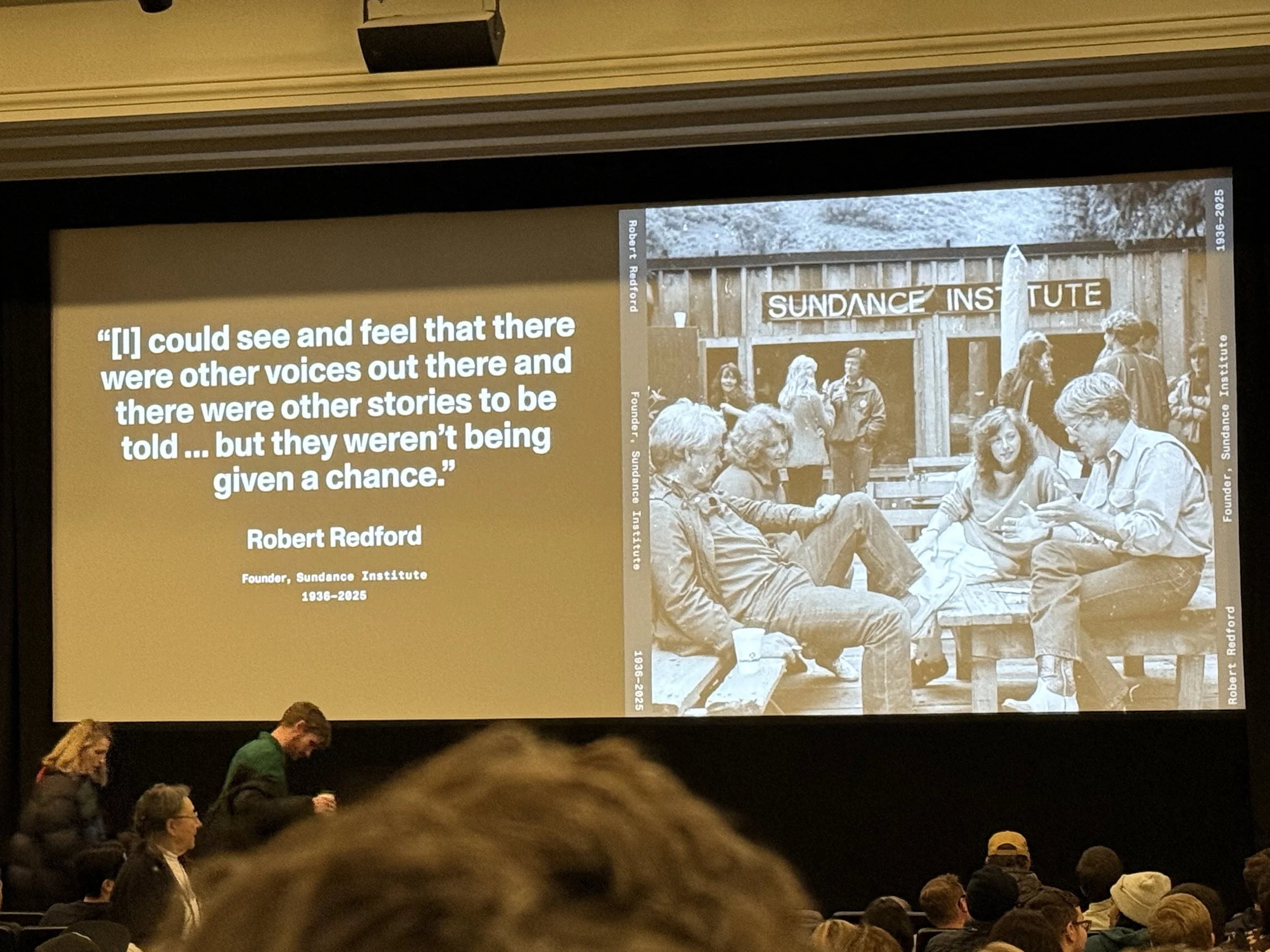
Sundance Film Festival was founded by the late Robert Redford in 1978 in Park City, Utah, as a way to create opportunity for emerging filmmakers to premiere their work. But as one Utahn pointed out to us, “Park City has become so unaffordable that it’s effectively priced out the very people the festival was designed for.”
As a result, Sundance organizers announced this will be the last year the festival is hosted in Park City—it’s moving in 2027 to Boulder, Colorado. One can’t help but wonder if it also has something to do with moving from a ‘red state’ to a more democratic leaning one.
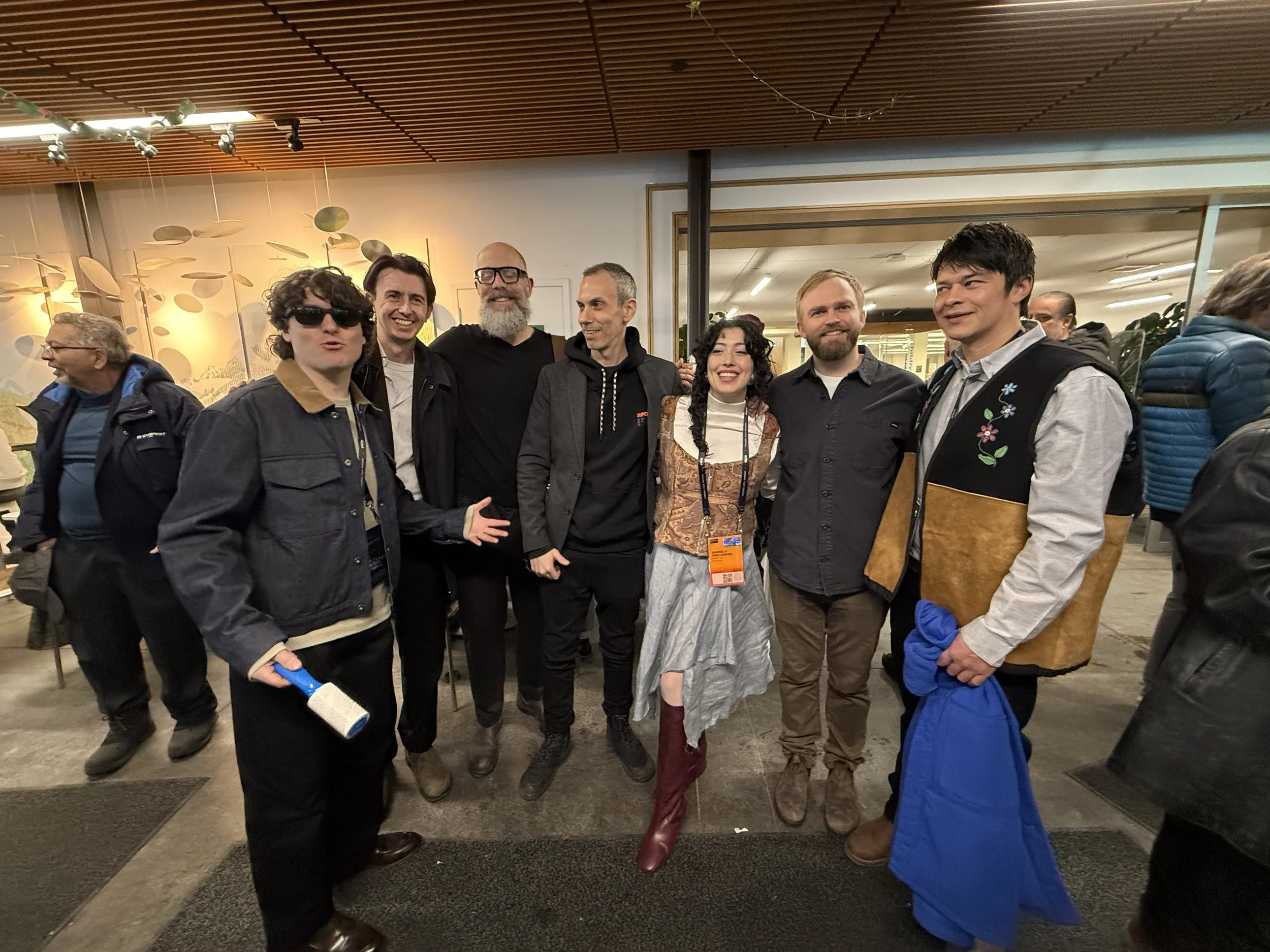
But it’s true. Park City is so expensive that ten of us from the Nuisance Bear crew shared a Airbnb house. Mike and I lucked out and had our own room (and BATHROOM!) Whenever we travel, we thoroughly enjoy the luxury that is HOT, RUNNING WATER! This was probably my favourite aspect of going to Sundance—not the running water, haha—but getting the opportunity to meet Mike’s amazing team, including directors, Jack Weisman and Gabriela Osio Vanden, editor, Andres Landau, and cinematographers Jack Gawthrop, Ian Kerr, and Sam Holling, and their partners. It took the team three years to film the feature-length documentary in Churchill, Manitoba, and Arviat, Nunavut, but the project has been a decade in the making for directors, Jack and Gabriela.
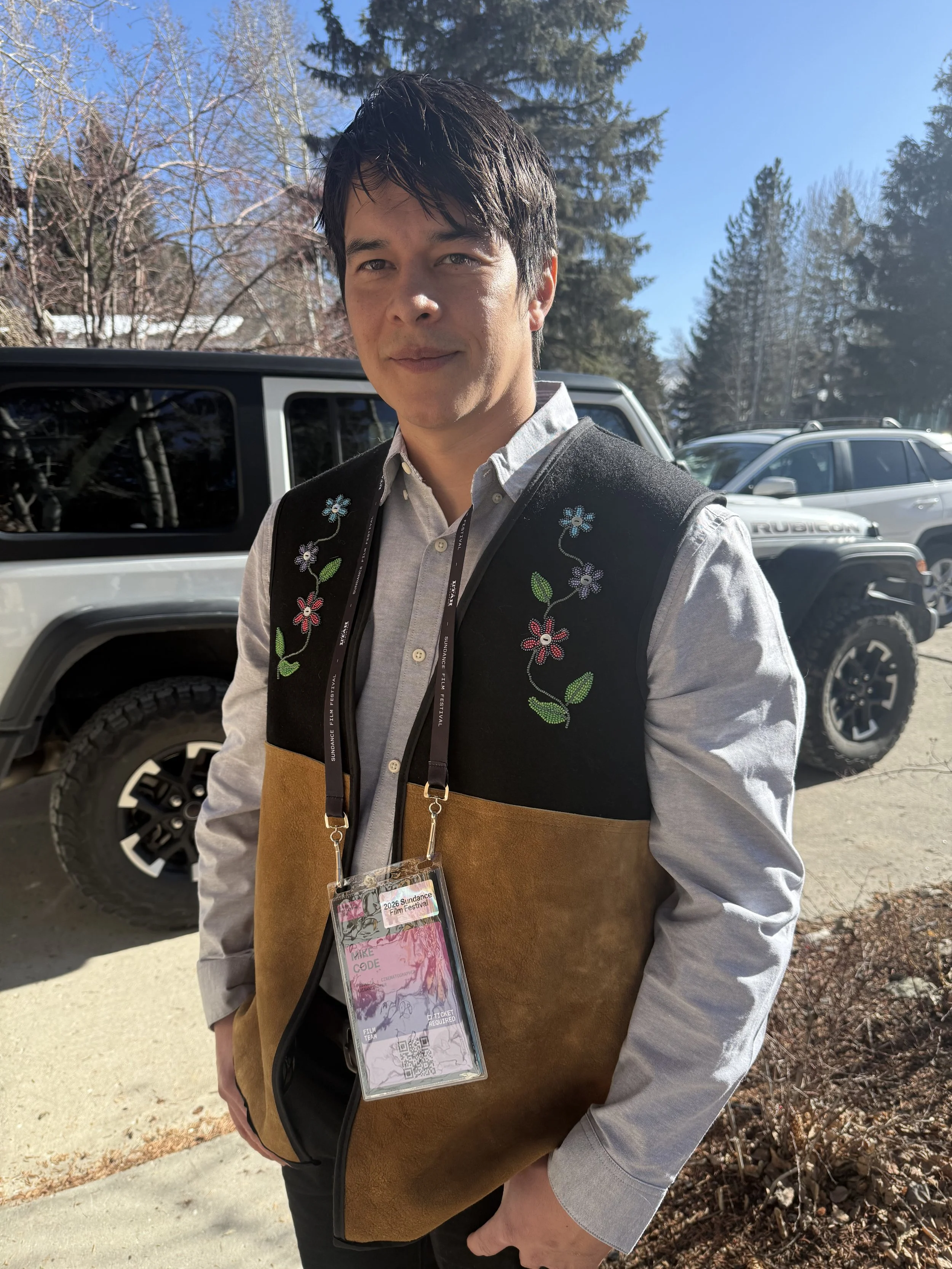
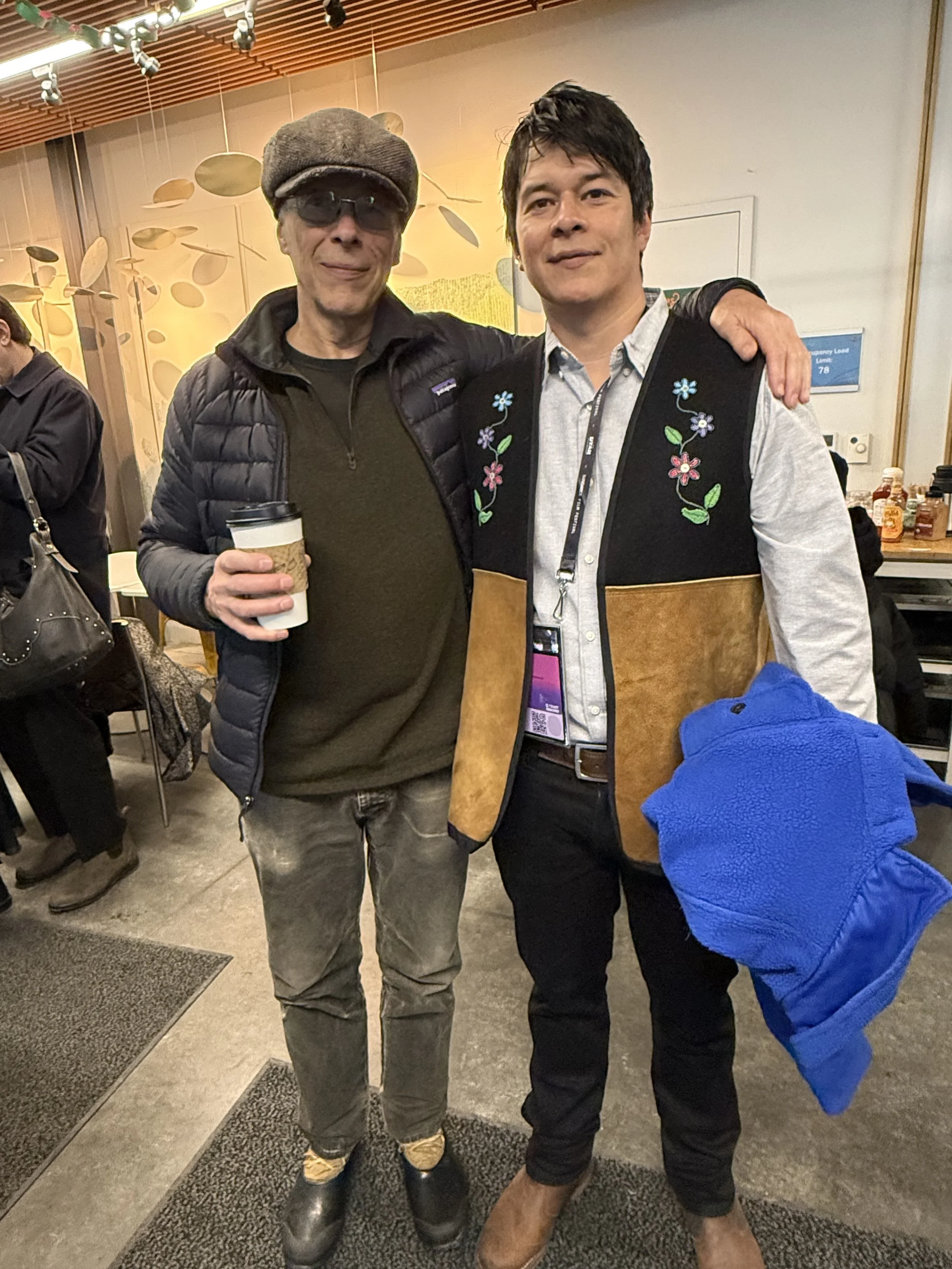
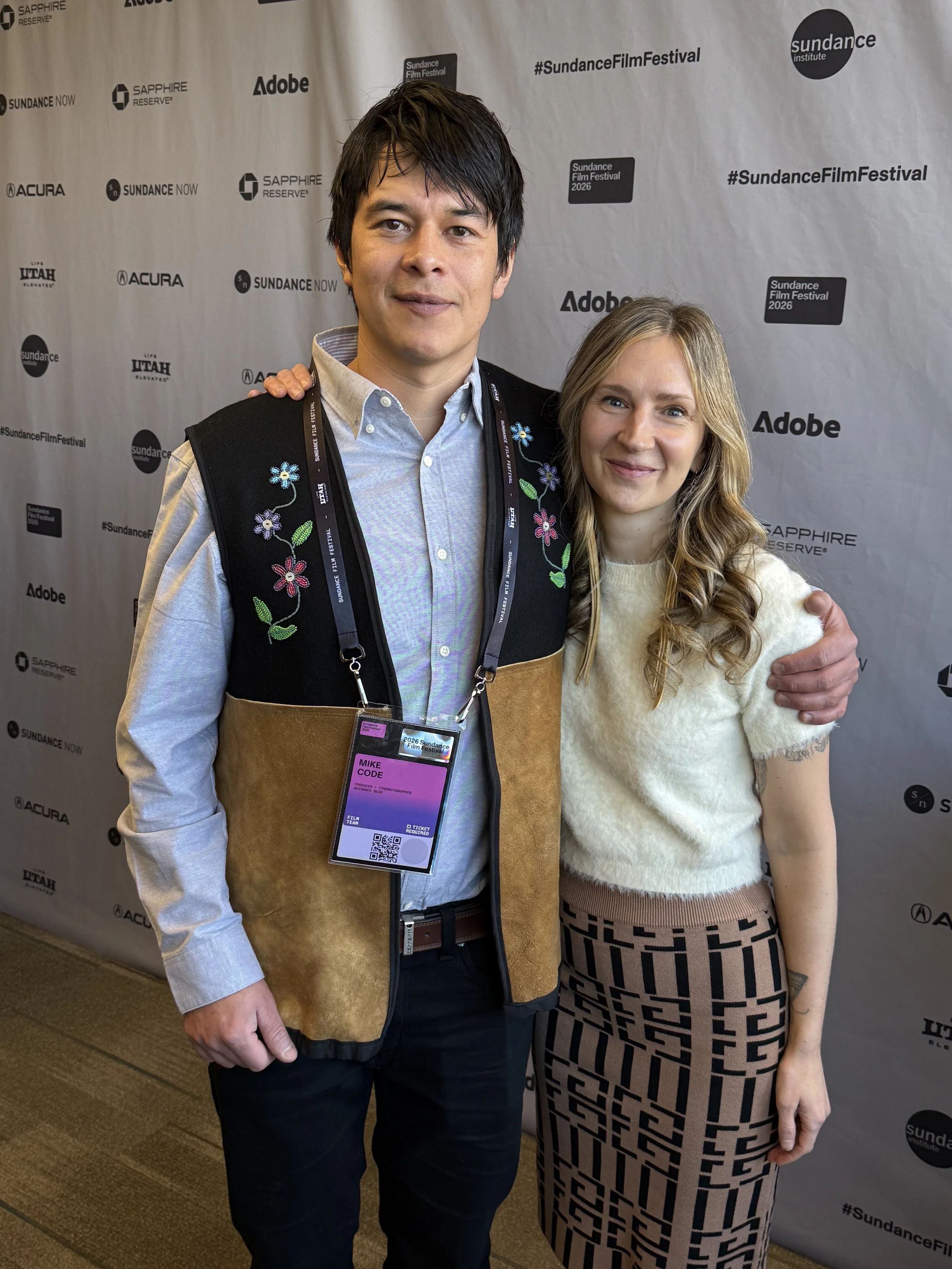
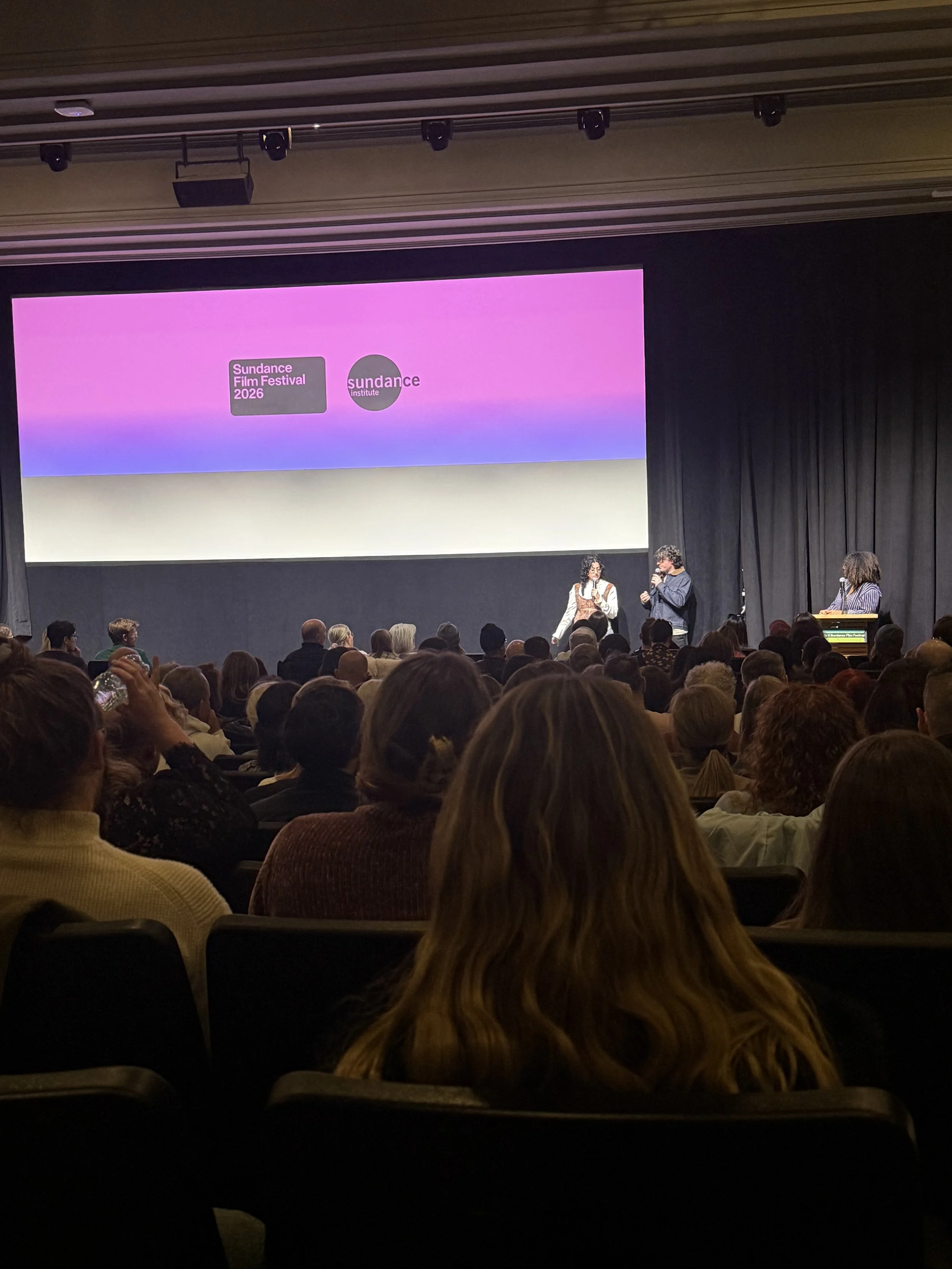
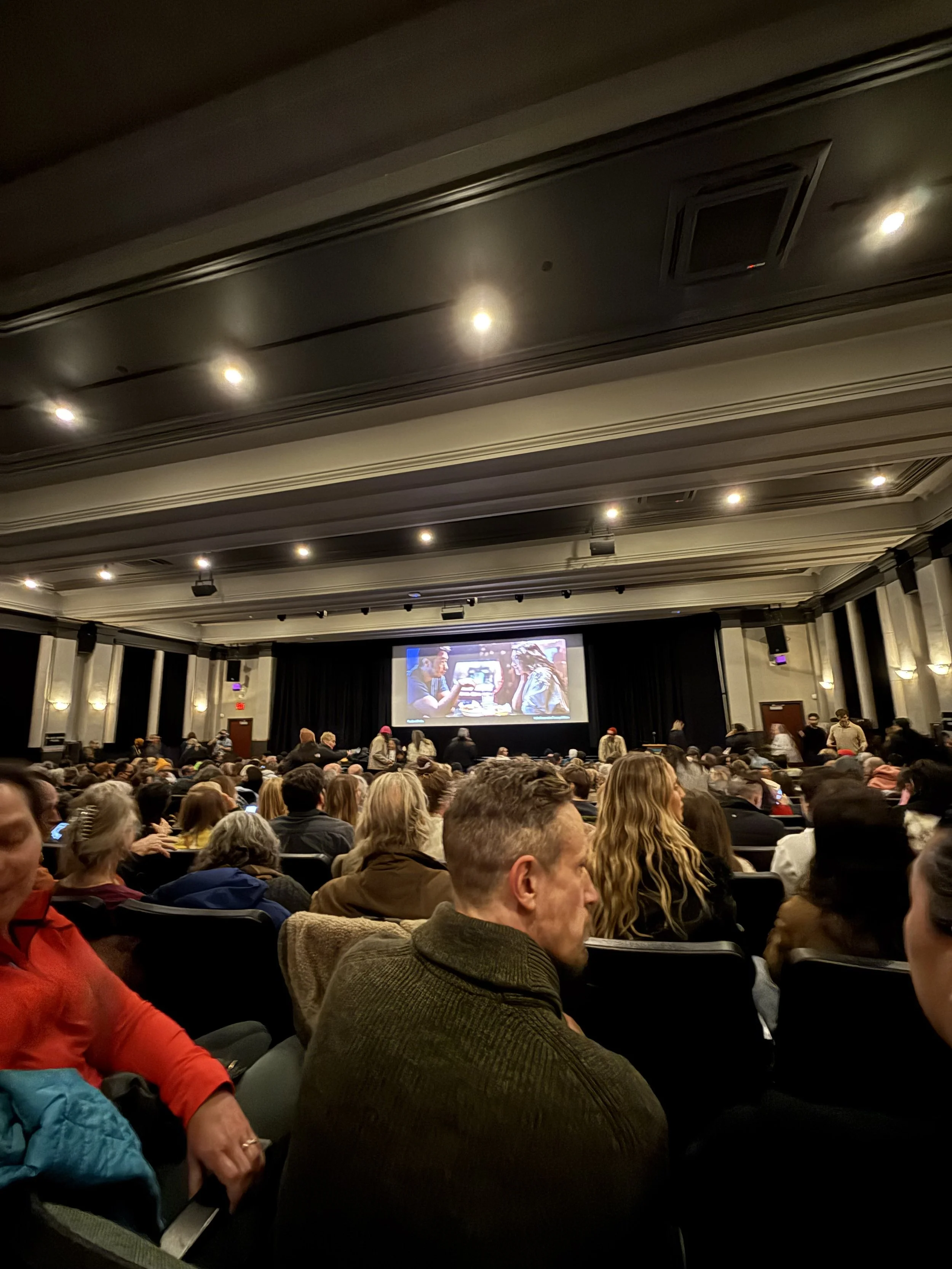
Sundance is a fairly relaxed festival (despite the trend of many expensive looking fake-fur jackets); there wasn’t a red carpet moment, but we did get gussied up by our off-grid-yurt-in-the-Yukon standards. Mike wore a stunning traditional Dene vest his family had made for the event; his mom and sister beaded flowers and caribou antlers, and Mike himself sewed together the panels, including gorgeous moose hide, just before we left Whitehorse. The world premiere was held on January 24th at the library in Park City. We walked over as a large group; the excitement was high. We sat at the back of a sold-out theatre—over 400 in attendance—as the directors, Jack and Gabby, introduced the film. Gabby wept with emotion; Nuisance Bear was a labour of love for the directors and the entire team. The film’s sole narrator, Mike Tunalaaq Gibbons, an Inuk Elder from Arviat, sadly passed away shortly after the final cut. They dedicated the film to Mike.
What can I say about Nuisance Bear? Well, I’m quite sure it’s the most powerful visual of human-bear coexistence, actually human-wildlife coexistence, that I’ve ever seen. I tried to write about the film for The Globe, but couldn’t because of my relationship to Mike—conflict of interest, makes sense. But I have so much to say about the film; how it shatters the formula of wildlife documentary filmmaking by zooming out, way out, to show the ways in which people document stories and photos and narratives of wildlife. All too often, we exclude our own selves. Our approach is extractive.
Nuisance Bear puts the view, quite literally, face to face with the bear. And through the narration of Gibbons, we learn how the symbol of bear is often misunderstood, how the original agreement between the Inuit and bears has been violated by colonization, climate change, and economic pressures.
There is a deep complex relationship between bears and people, and between the two communities of Churchill and Arviat, but I think the directors and editor, Andres Landau, handled it with extreme sensitivity and care. There are no clear good guys, or bad guys in Nuisance Bear; there’s the complex messiness of living with bears—and living with one another, too.
Mike’s dad and I departed the day after the world premiere, but Mike stayed with his crew for the rest of the week. Was I surprised when I got the text message from him that Nuisance Bear won the U.S. Grand Jury Prize for Documentary? No, I wasn’t. But I was elated for Mike and his crew, so very proud of them, and so thrilled to see this worthy documentary—and its important subject matter—get the attention that it deserves. It’s a big win for bears and for the communities who live alongside them. Stay tuned for details of Canadian screenings.
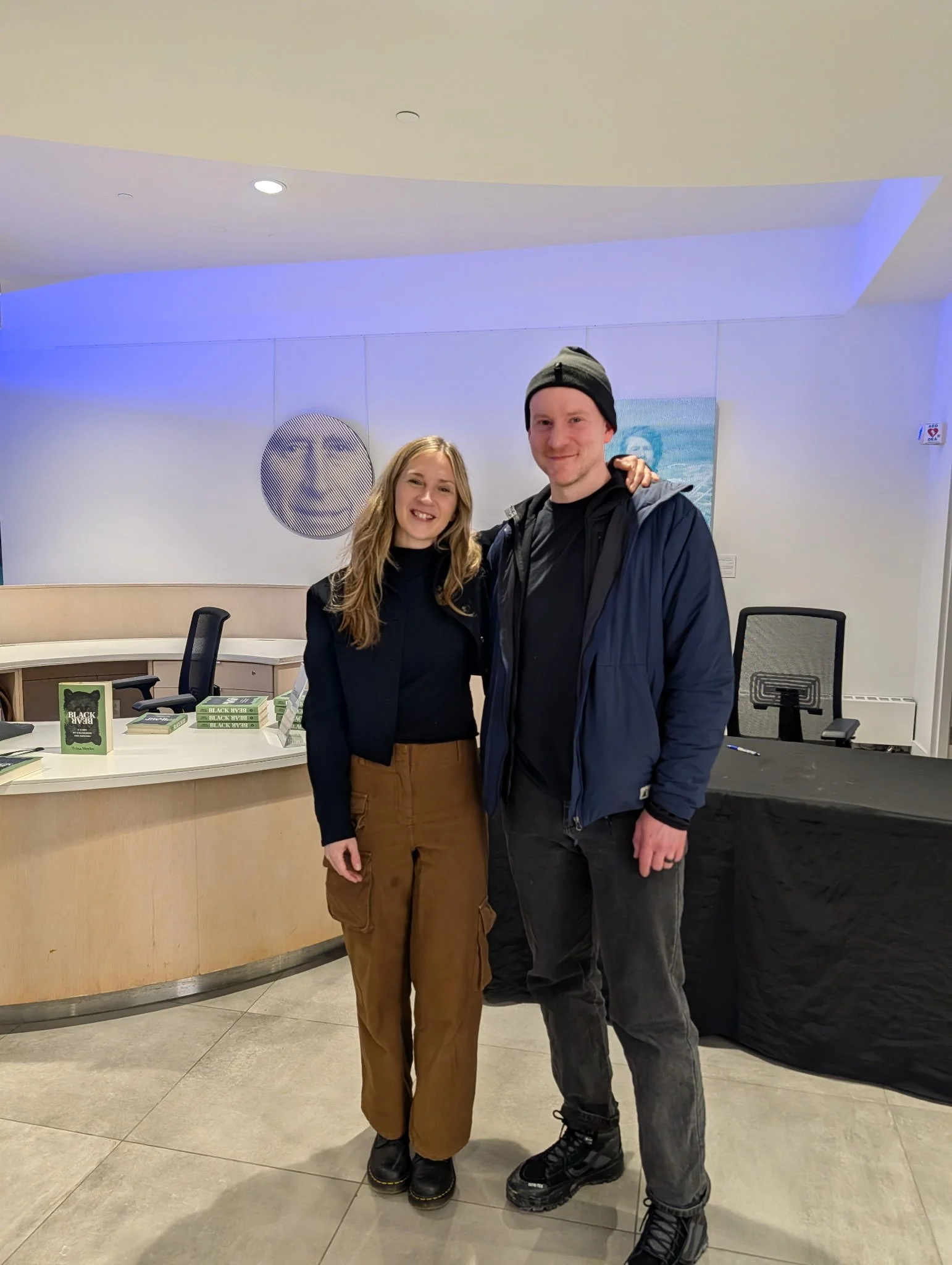
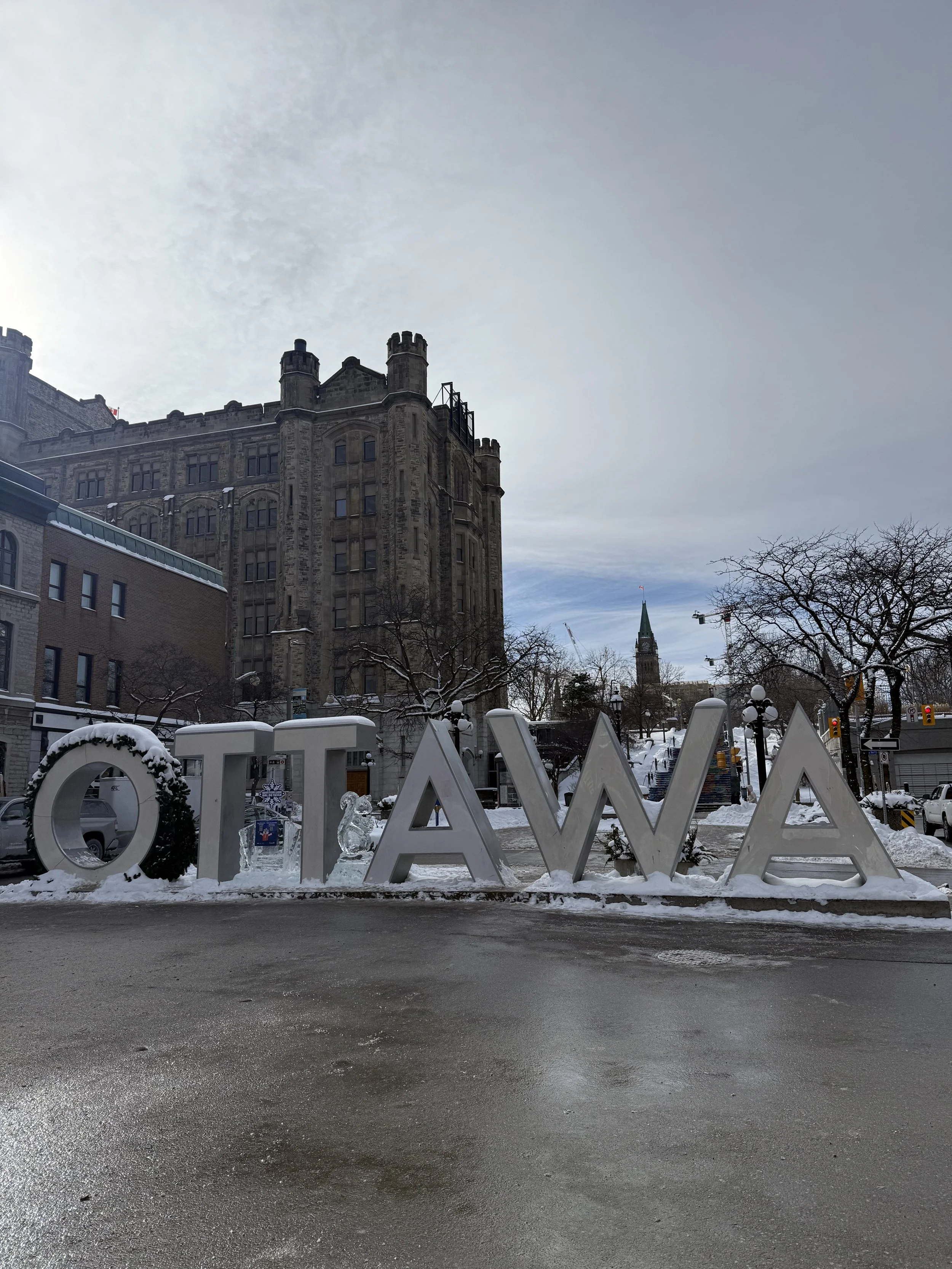
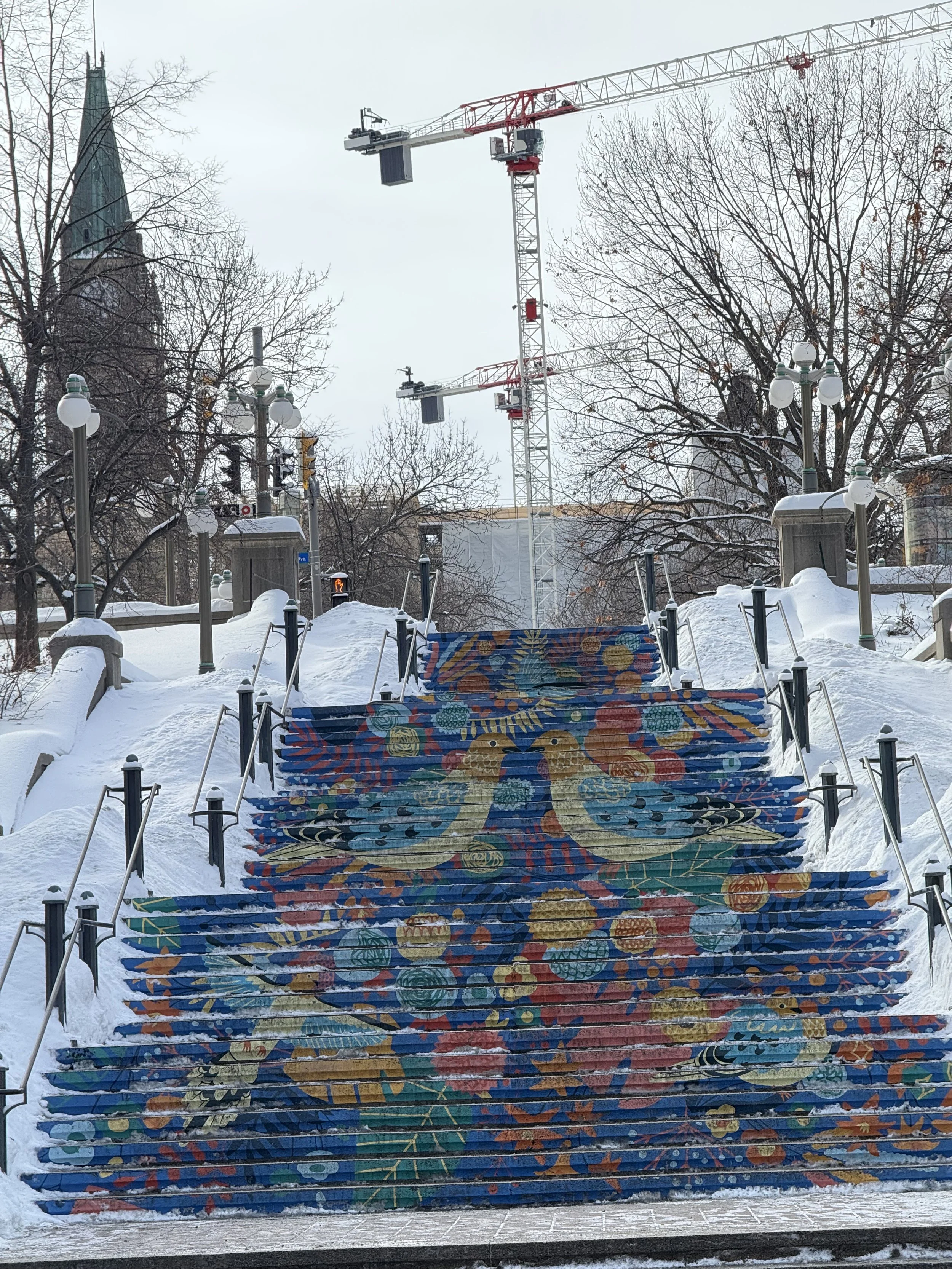
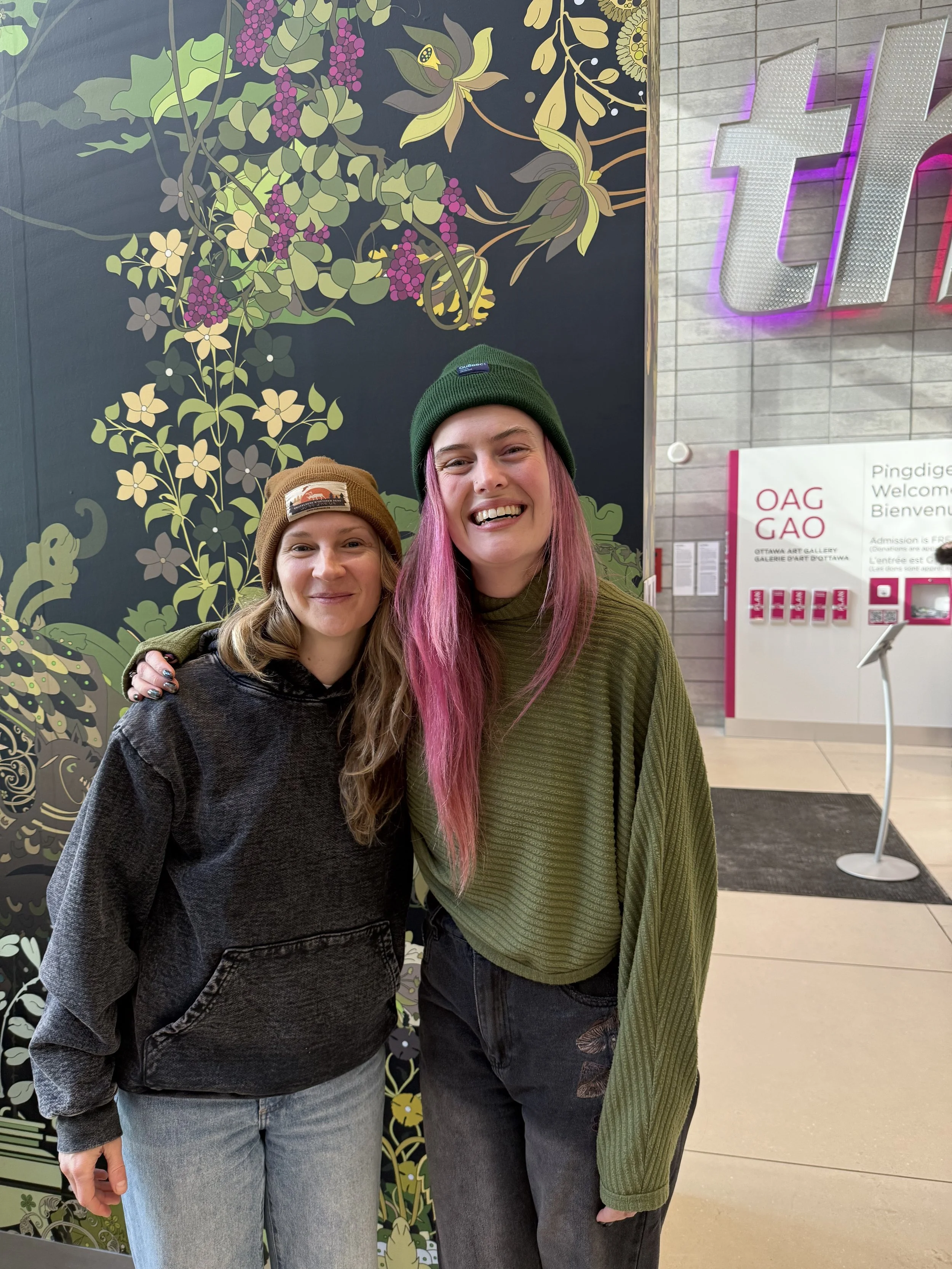
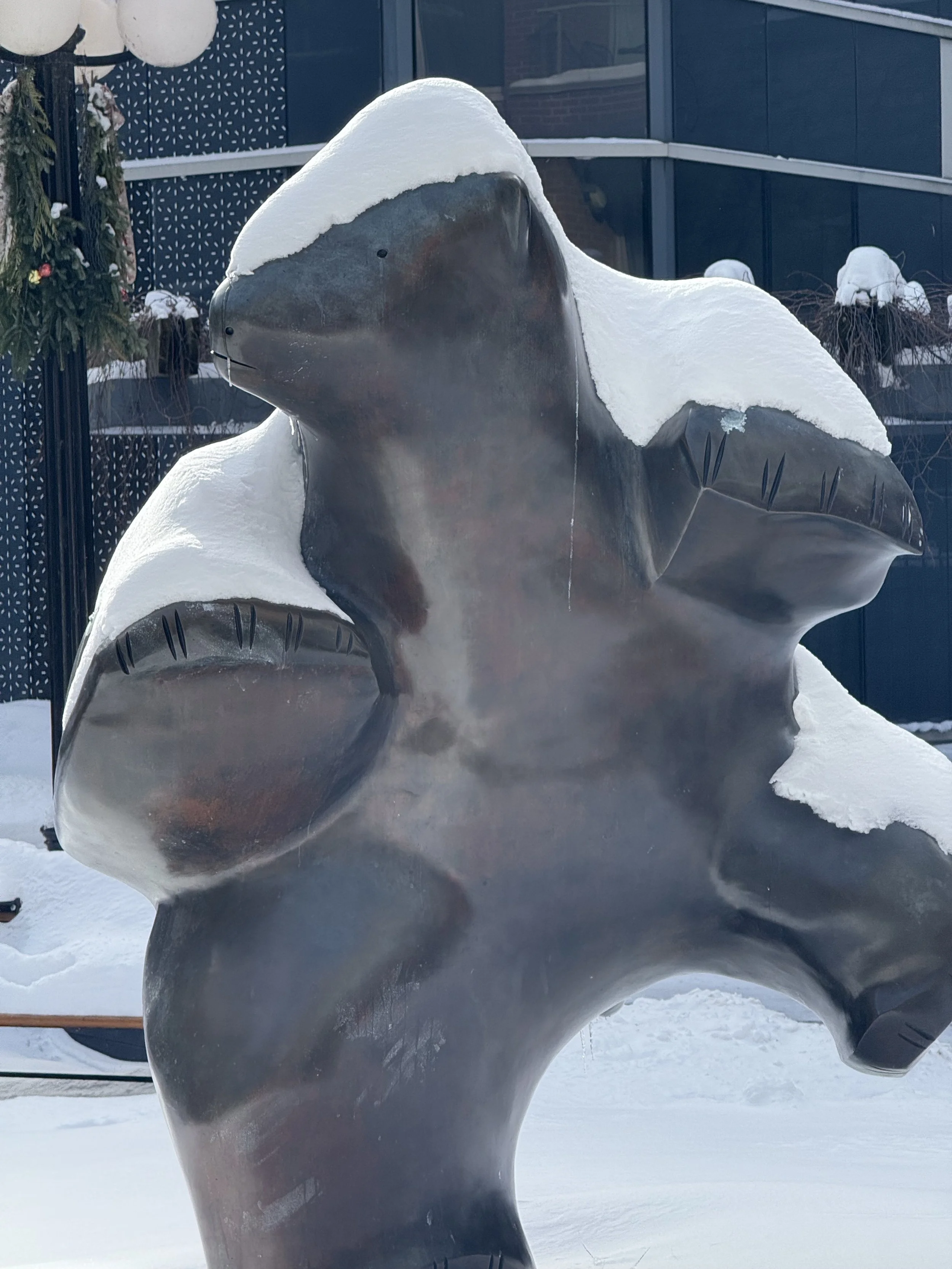
POSTCARD FROM OTTAWA
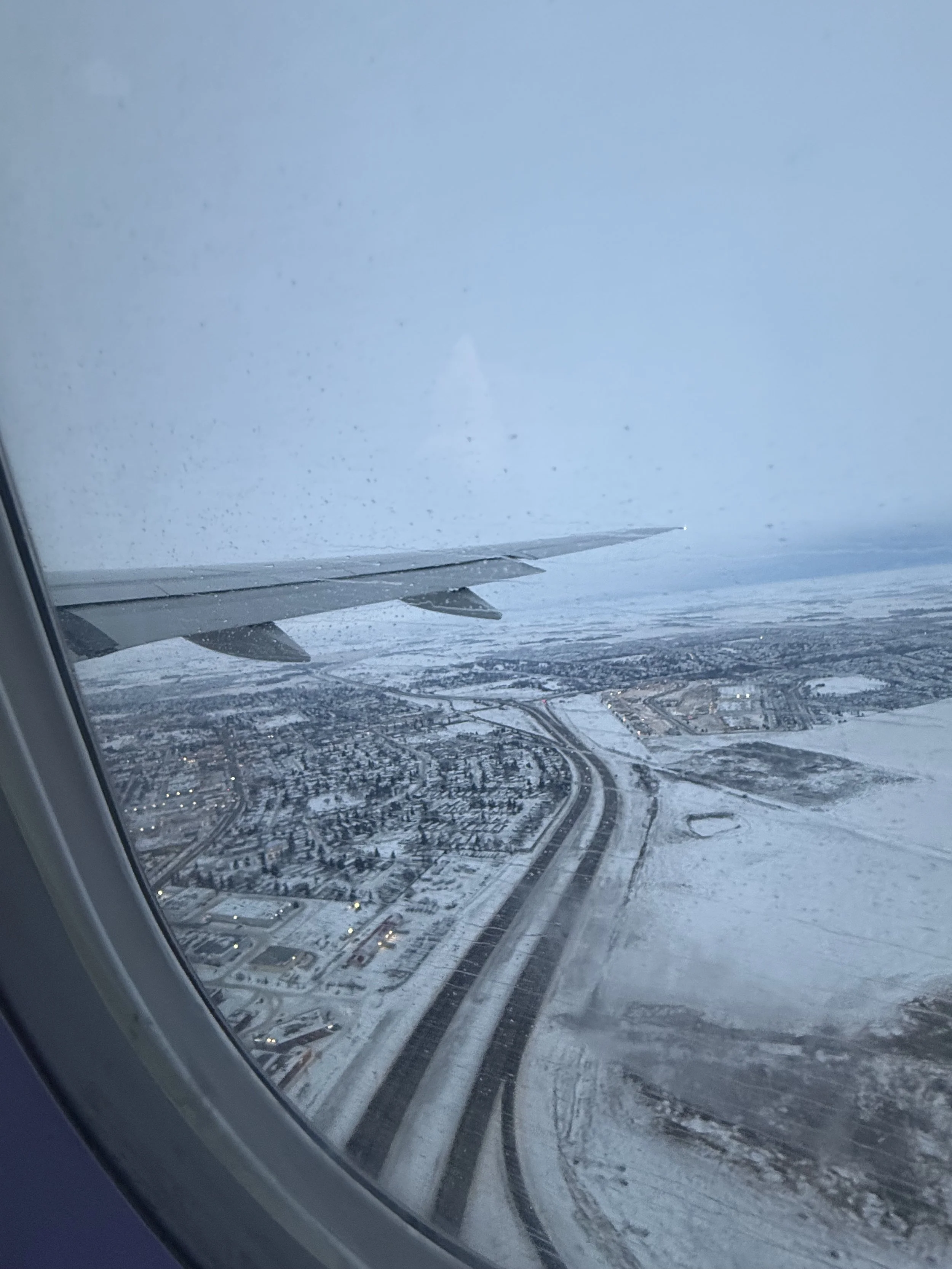
After a quick visit with my family in Edmonton, I flew east to Ottawa to participate in the CanGeo Talks, a speakers series organized by the Royal Canadian Geographical Society. The night before the event, I stayed with my old friend, Nick, and his family. We’d grown up together in Peace River and reconnected during our university and student activism days in Edmonton. The following morning, Nick and his wife left for work with the instructions that I later leave out the backdoor. After ordering an Uber, I heaved my heavy suitcase outside through the backyard gate, planning to go back inside to retrieve my backpack. What I didn’t realize, however, is that the gate would automatically swing shut and lock behind me. Shit. I looked up at the 12 foot tall fence. I tried to shake the latch open. I peered through the slats in the fence: Nick’s backdoor was wide open. Shit, shit. There was only one solution. When the Uber driver arrived, I explained my minor crisis to him.
“Boost me over the fence,” I pleaded.
“No, no, that’s dangerous,” he said, shaking his head.
I glanced at the time. I was supposed to be at the RCGS for a presentation run through. Inevitably, I’d be late. I’m not a climber, by any means. But I knew I needed to take the chance and get over that damned fence. Finally, the Uber driver conceded to my pleas. Up and over the fence I went, without harm, only a sliver of wood in my hand. Was I channelling my inner black bear? You bet I was. I tipped the driver $10 for the boost and he laughed.
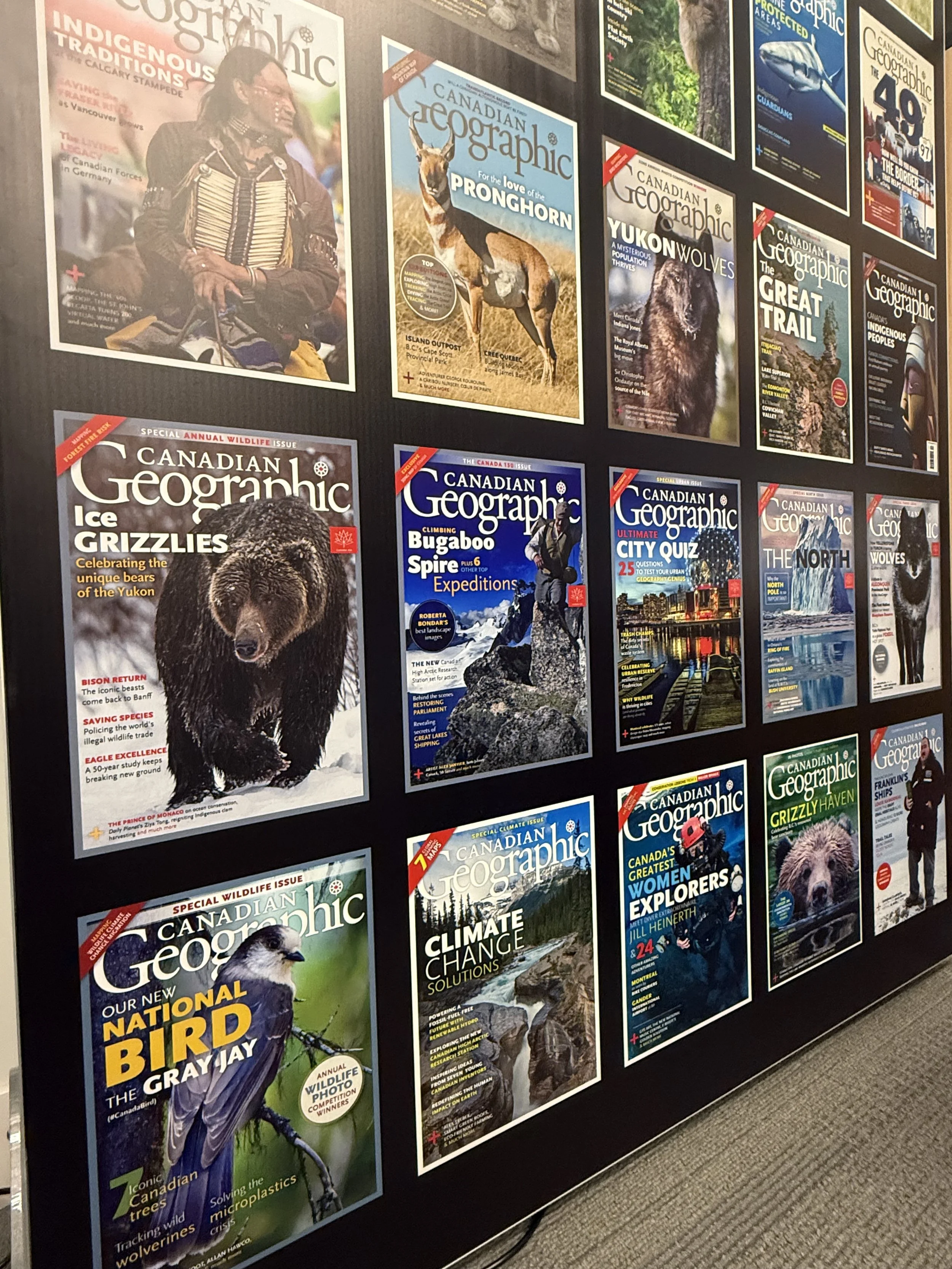
In the heart of the Canadian Geographic headquarters I had the opportunity to meet some of my favourite editors in person, including Alex Pope, Abi Hayward, and the new managing editor, Mike Bryant, who recently relocated from Yellowknife. As a writer, I primarily communicate with editors through email, or phone calls, and very occasionally, over Zoom. It was fabulous to see where their teams lay out upcoming issues, page by page, and walls of previous covers (an abundance of cover bears, but that won’t surprise anyone). I was thrilled to see the mock-up of my story about Dall sheep in Kluane National Park, alongside Sonny Parker’s stunning photography—that story will be out in the March/April issue.
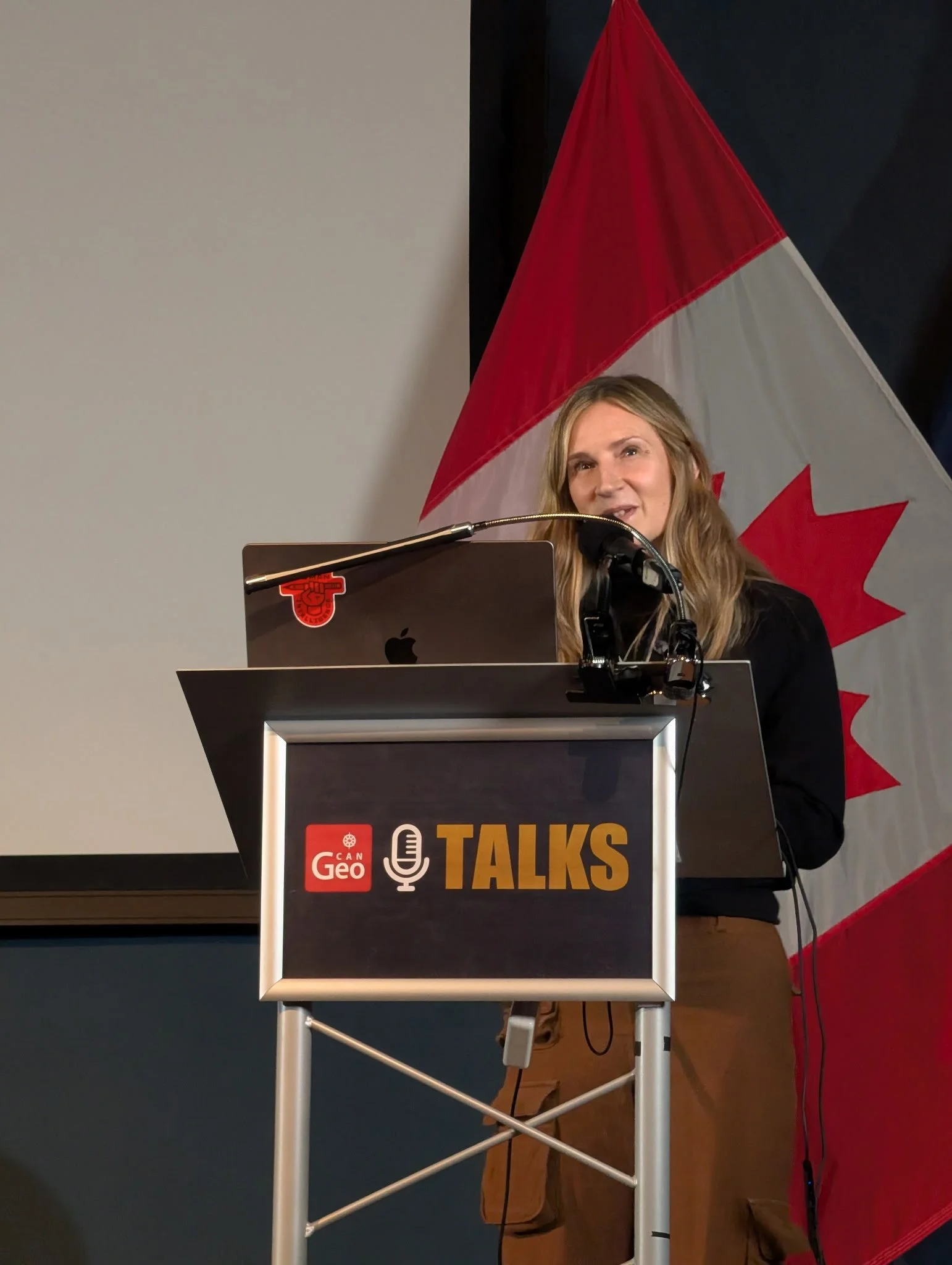
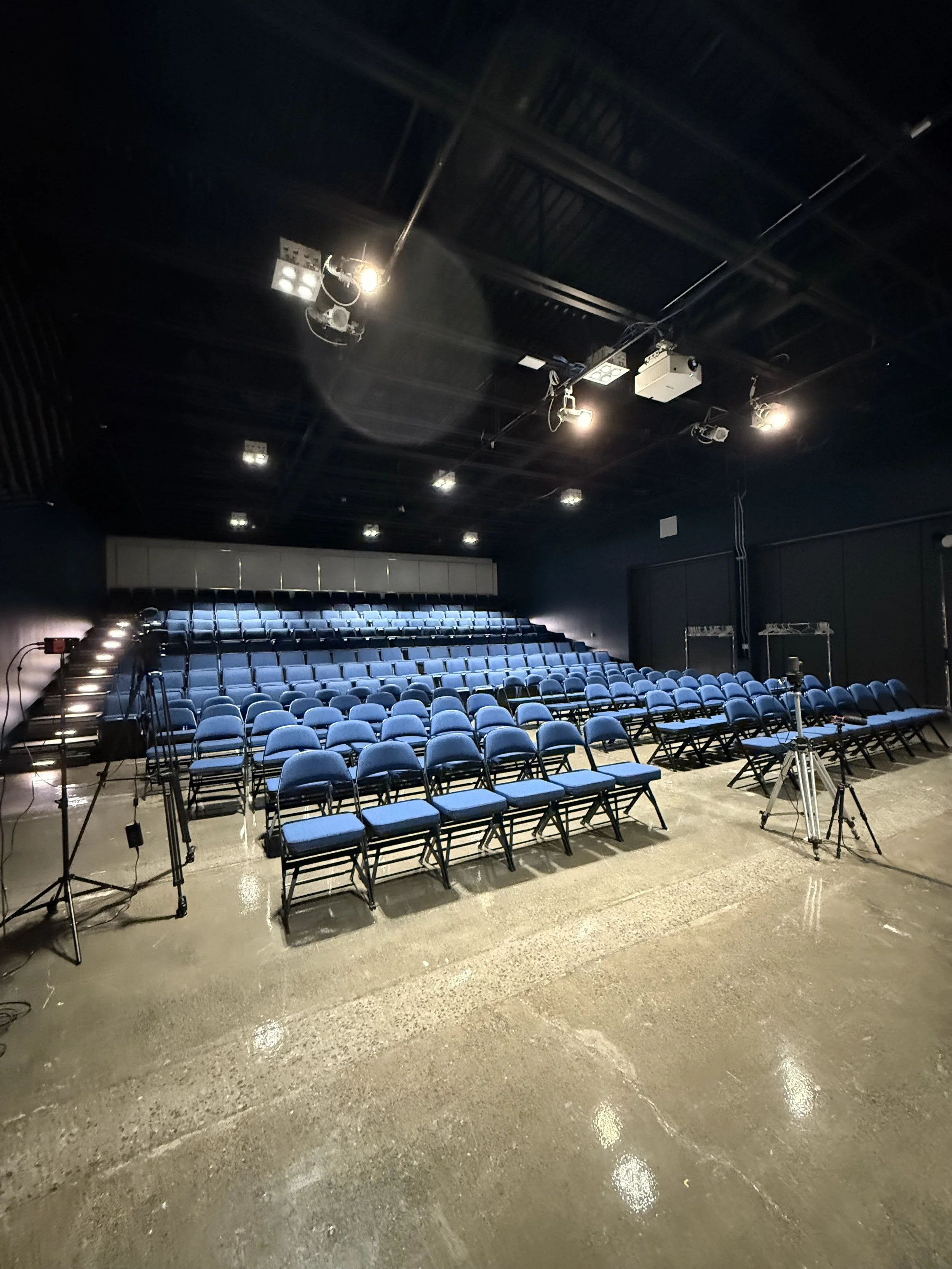
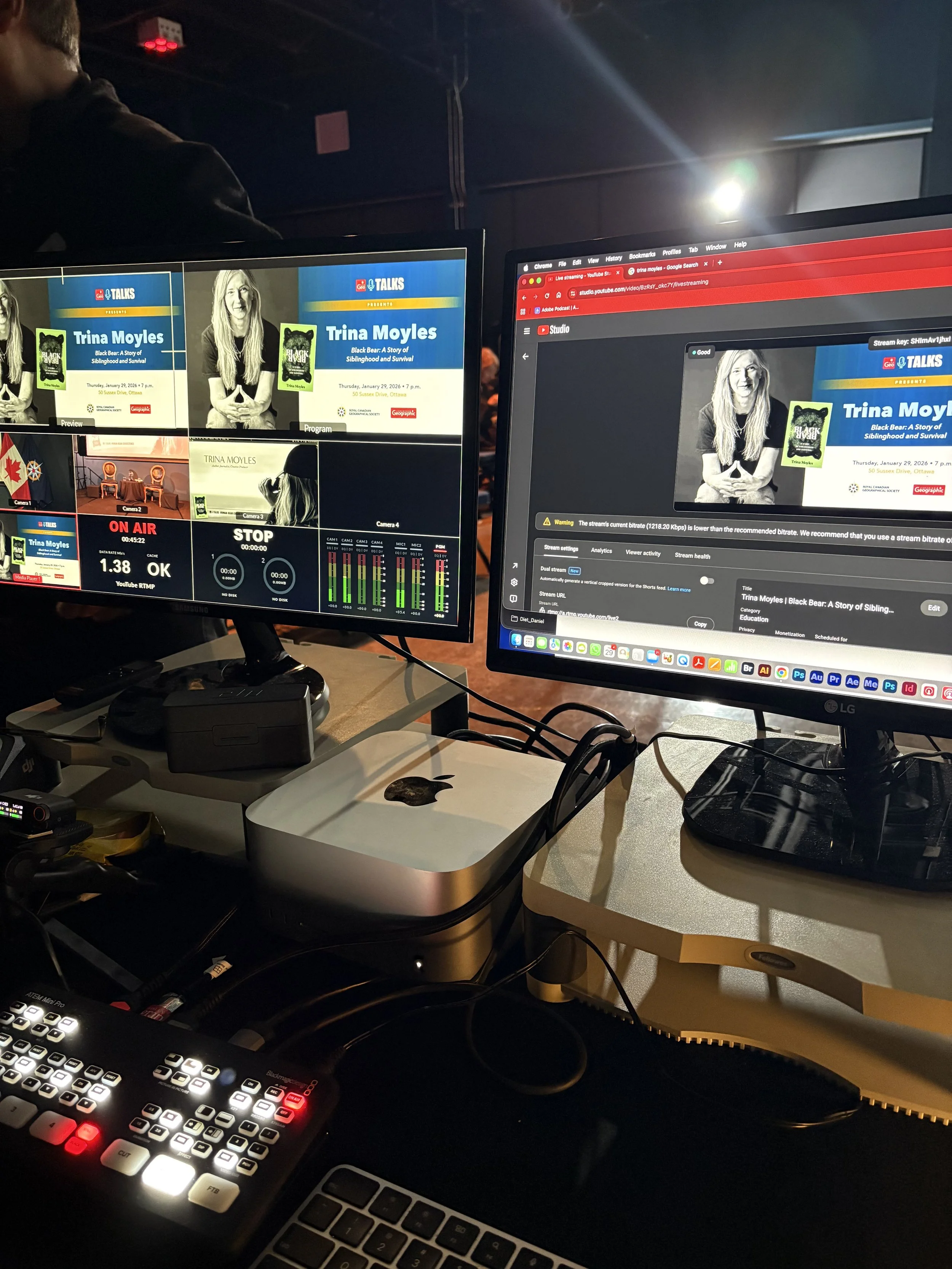
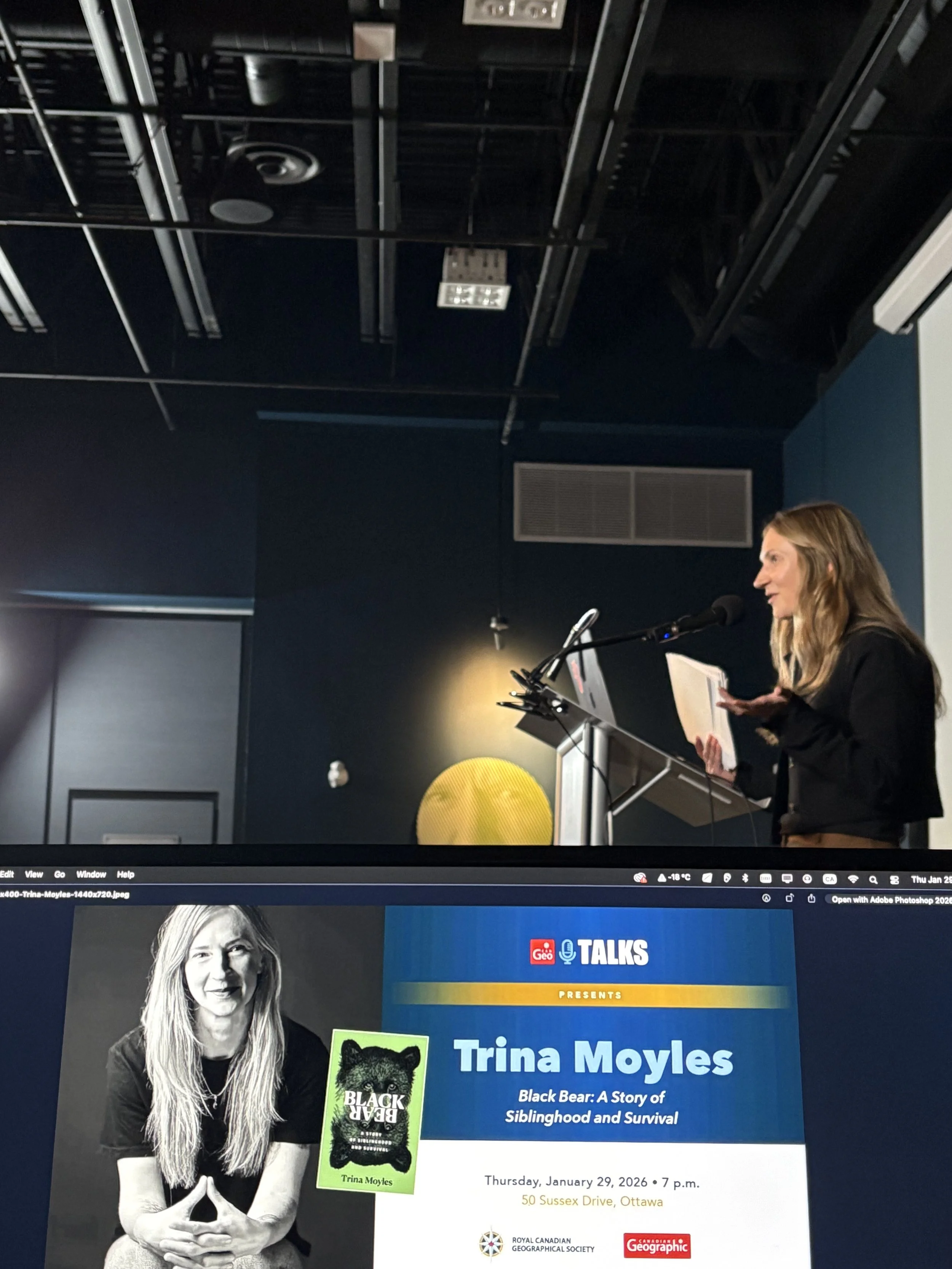
Later that evening I took the CanGeo Talks podium. My inner ten-year-old, wildlife obsessed girl was silently freaking out. It was such an honour to share my story of living with bears at the RCGS and speak to some of the human-bear coexistence research I’ve done with communities in Klukshu, Yukon, and Churchill, Manitoba. The audience engagement was fantastic. One audience member asked: what were some of my favourite quirks about individual bears? Then I could hear myself talking about Oscar, the large, dominant bear, who’d bowlegged cowboy stomp around my yard during breeding season, scratching his back on every tree, or power pole. “Oscar was a bear that didn’t give two fucks,” I said, quoting from a passage in the book and the audience laughed.
Thank you to the RCGS and the Canadian Geographic team for hosting me and to everyone who attended.

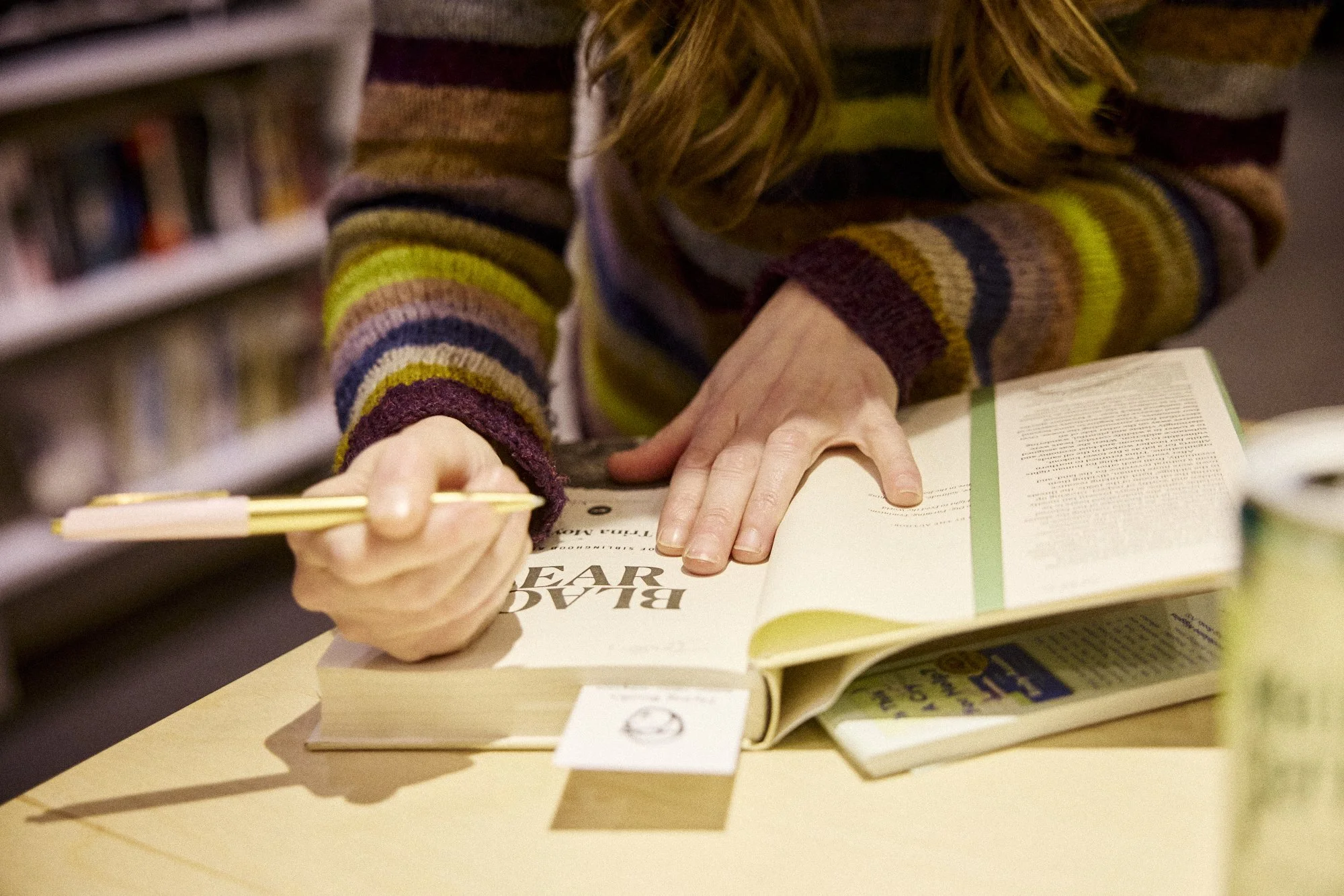
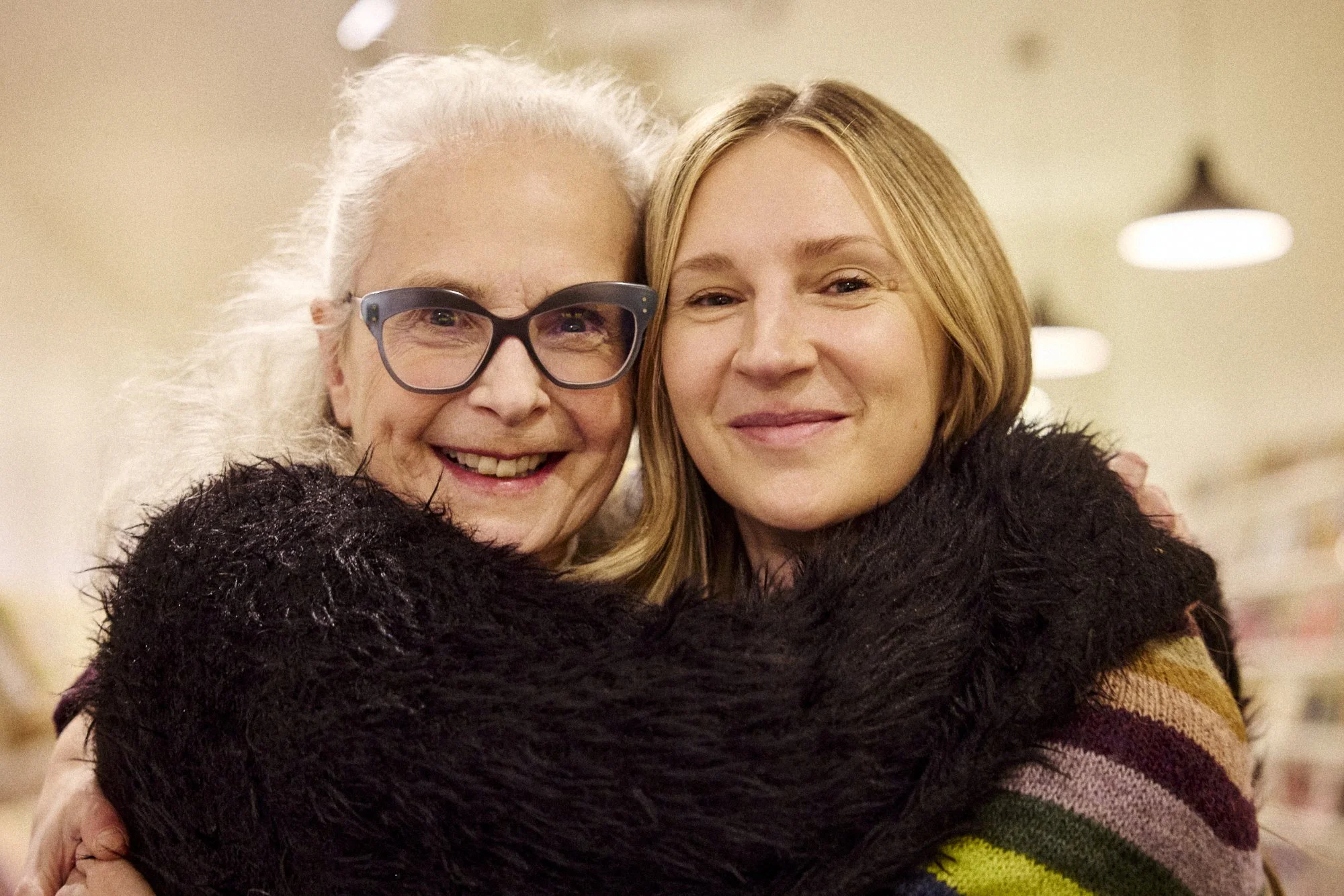
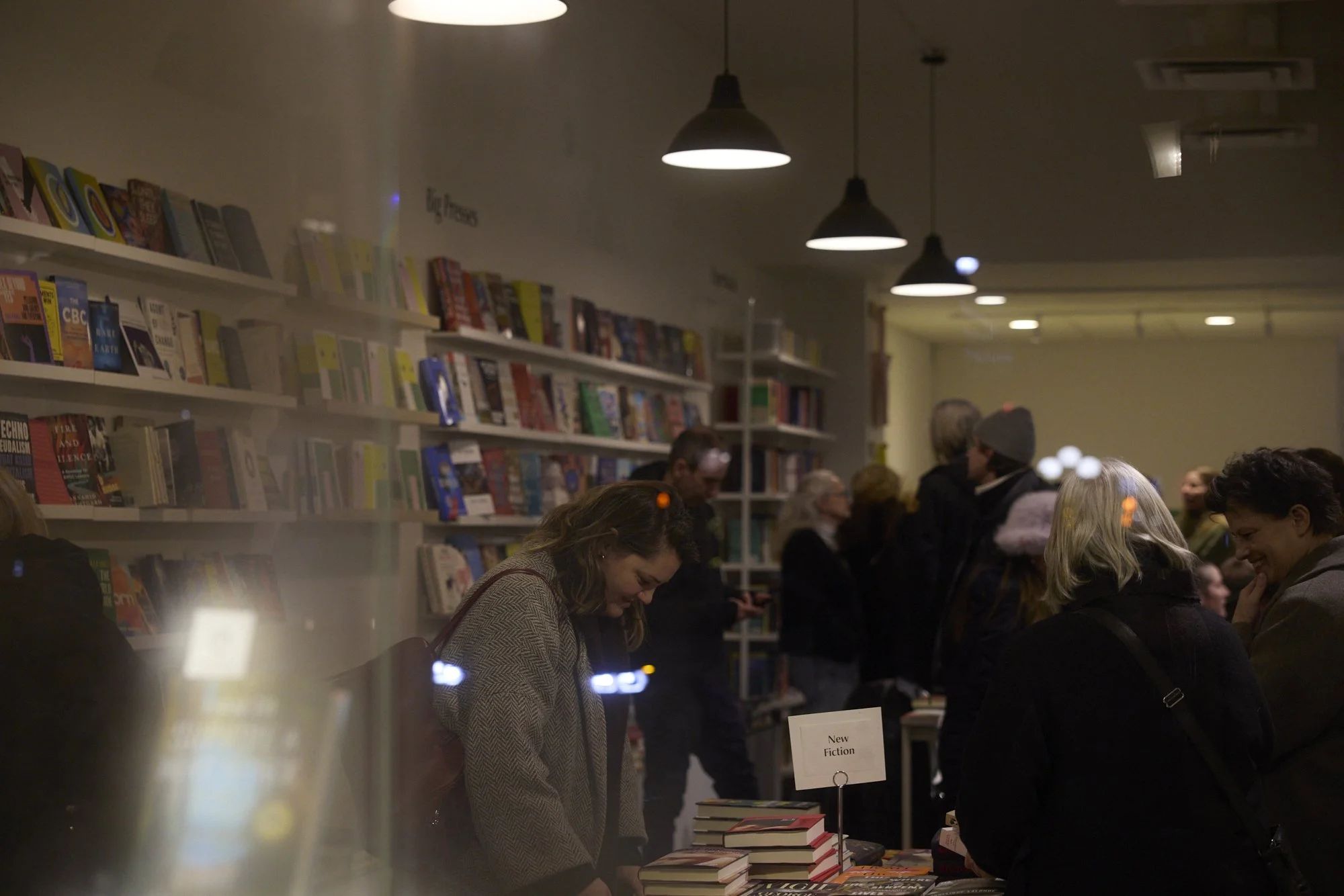
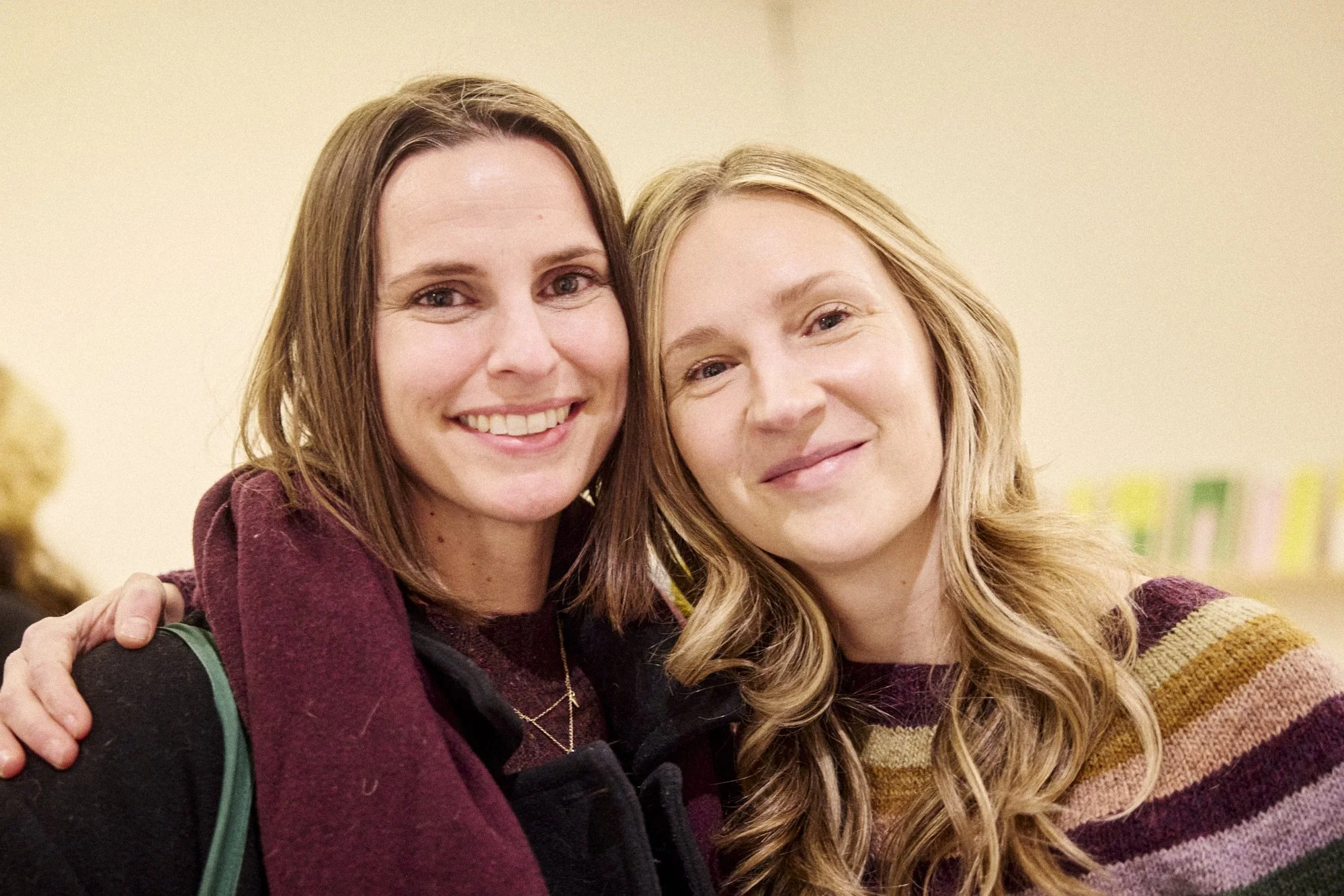
POSTCARD FROM TORONTO
My train from outside of Ottawa rolled into Toronto past midnight, just a few days after the city had been hit with an apocalyptic snowstorm. I had to practically arm wrestle my Uber driver into taking me down my agent Marilyn’s residential street. “No!” he protested. “I’m going to get stuck!” “She told me it’s clear,” I reassured him, though judging by the number of cars entirely engulfed by snow, I wasn’t totally certain.
Toronto! What can I say? I really love Toronto. I love being surprised by places and people; I love it when I’m wrong. As someone who grew up in northern Alberta, I’ve always been intimidated by Toronto, which feels otherworldly with its cultural importance. In reality, I’ve found my time in Toronto to be rather down-to-earth, friendly, and more open than the reservedness that, say, Canada’s west coast is infamous for. Maybe it’s the particularly neighbourhood I stayed in, close to Dundas and Ossington, or maybe it’s just my own attitude—I want to chat with people. I want to try to get to know a place, when I’m traveling. I don’t know. But I love that Toronto excites me in all the best ways and I’m already looking forward to going back.
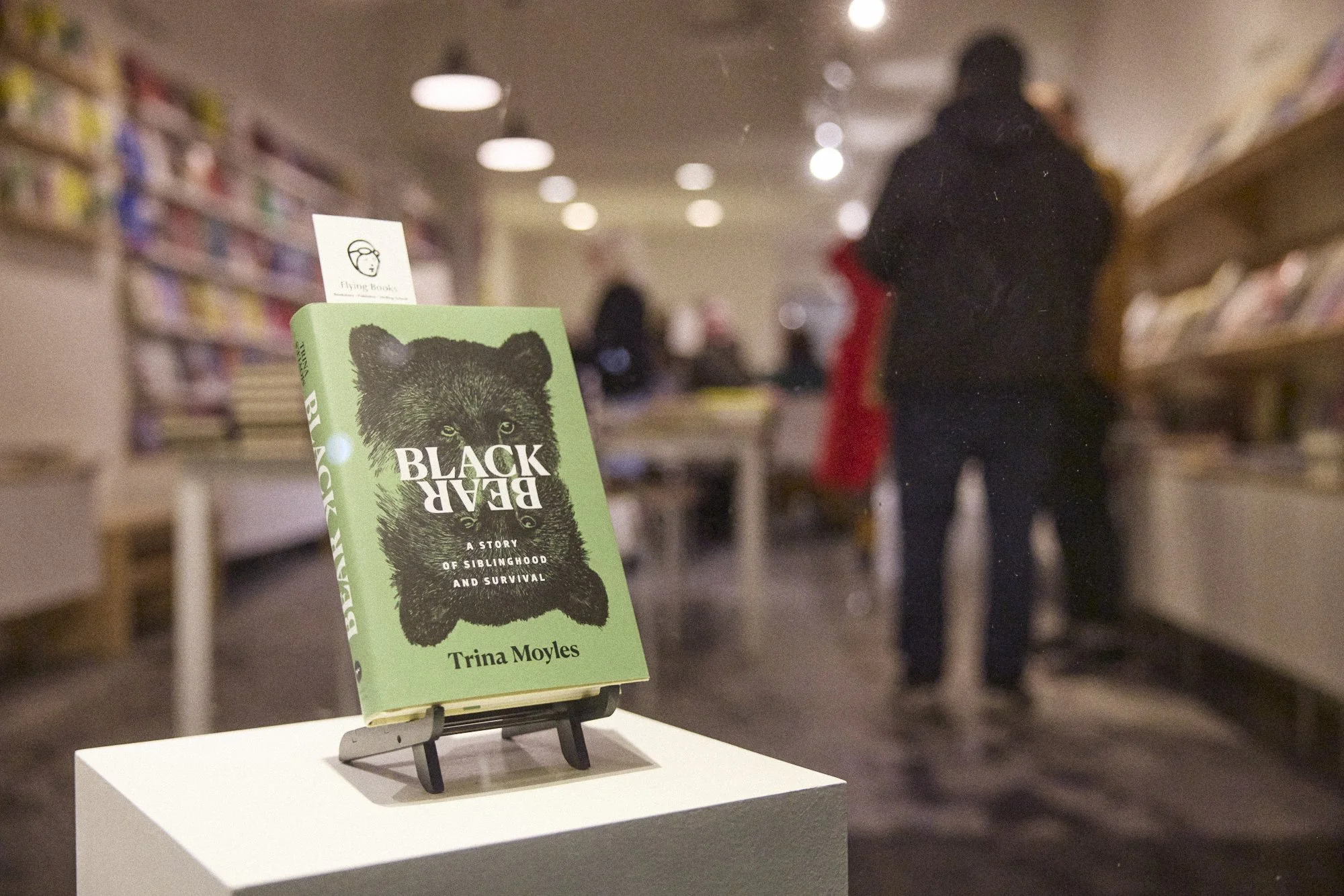
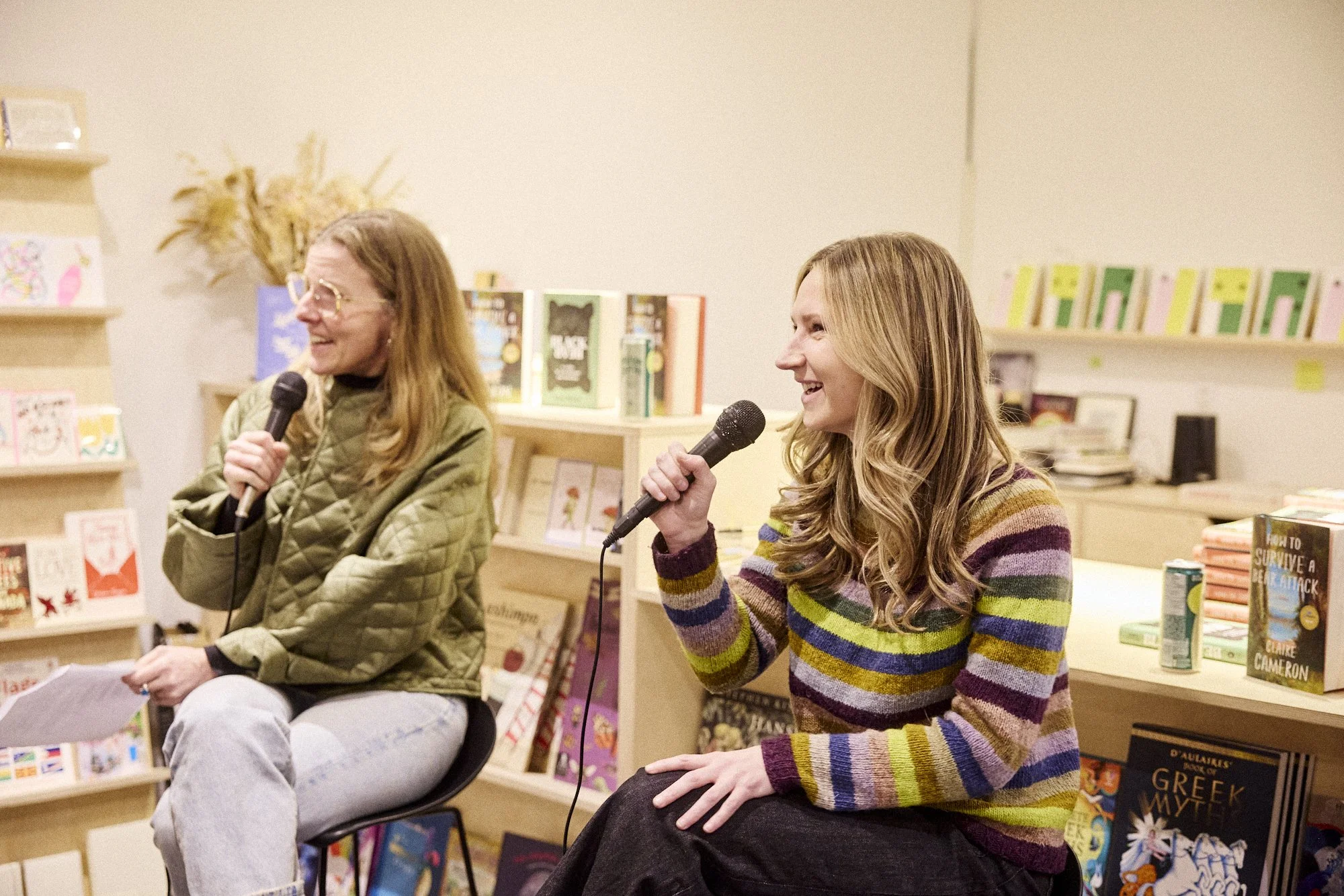
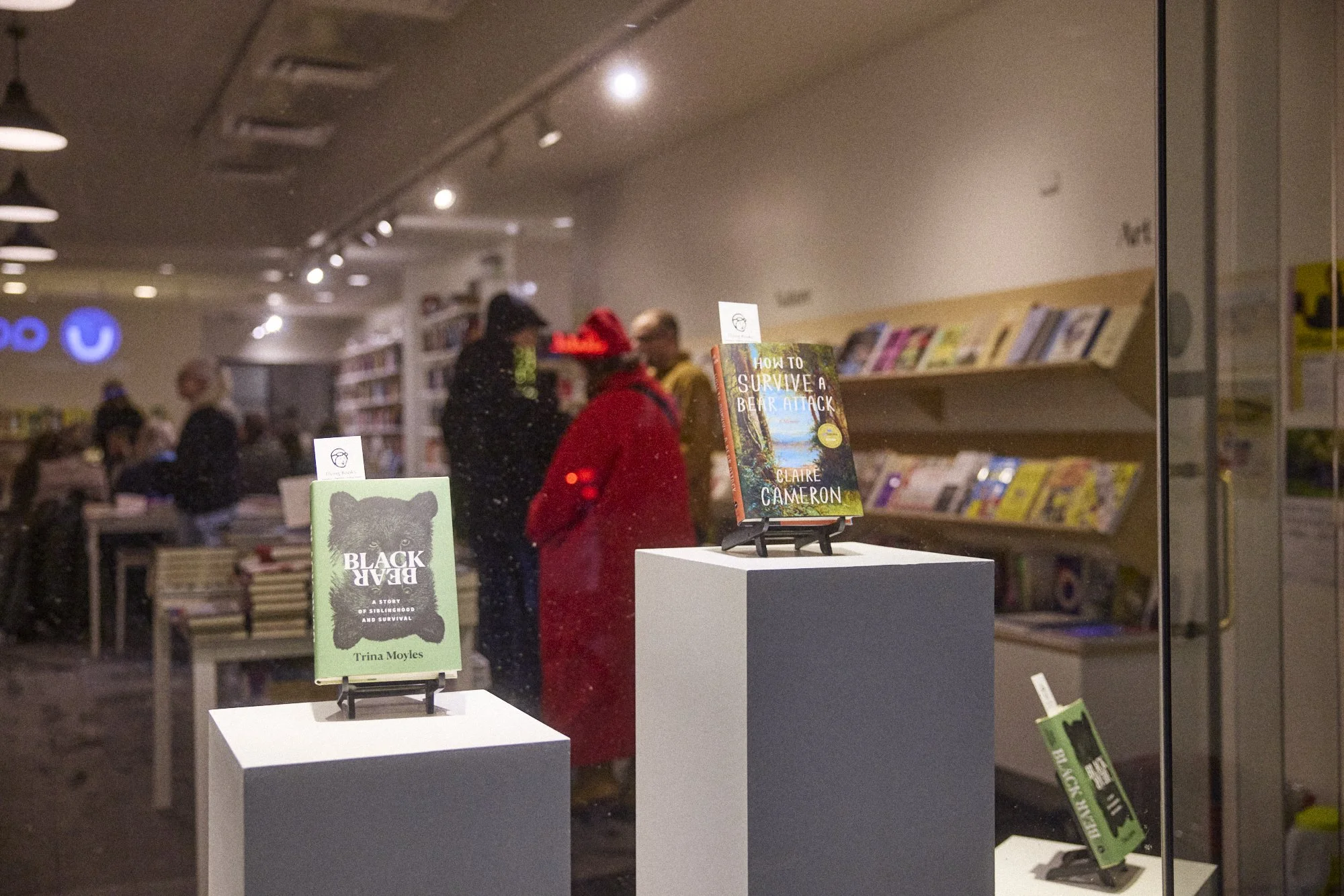
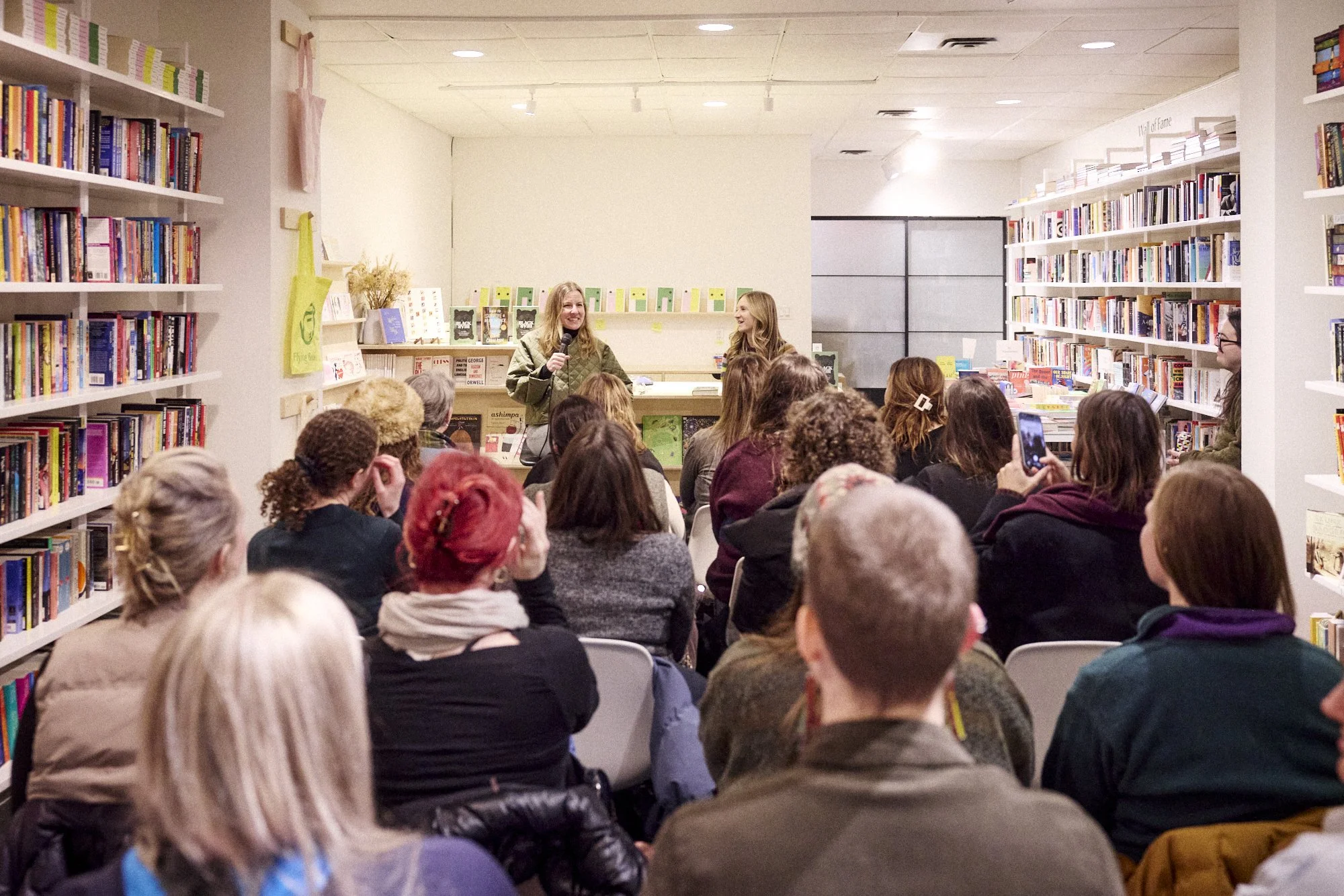
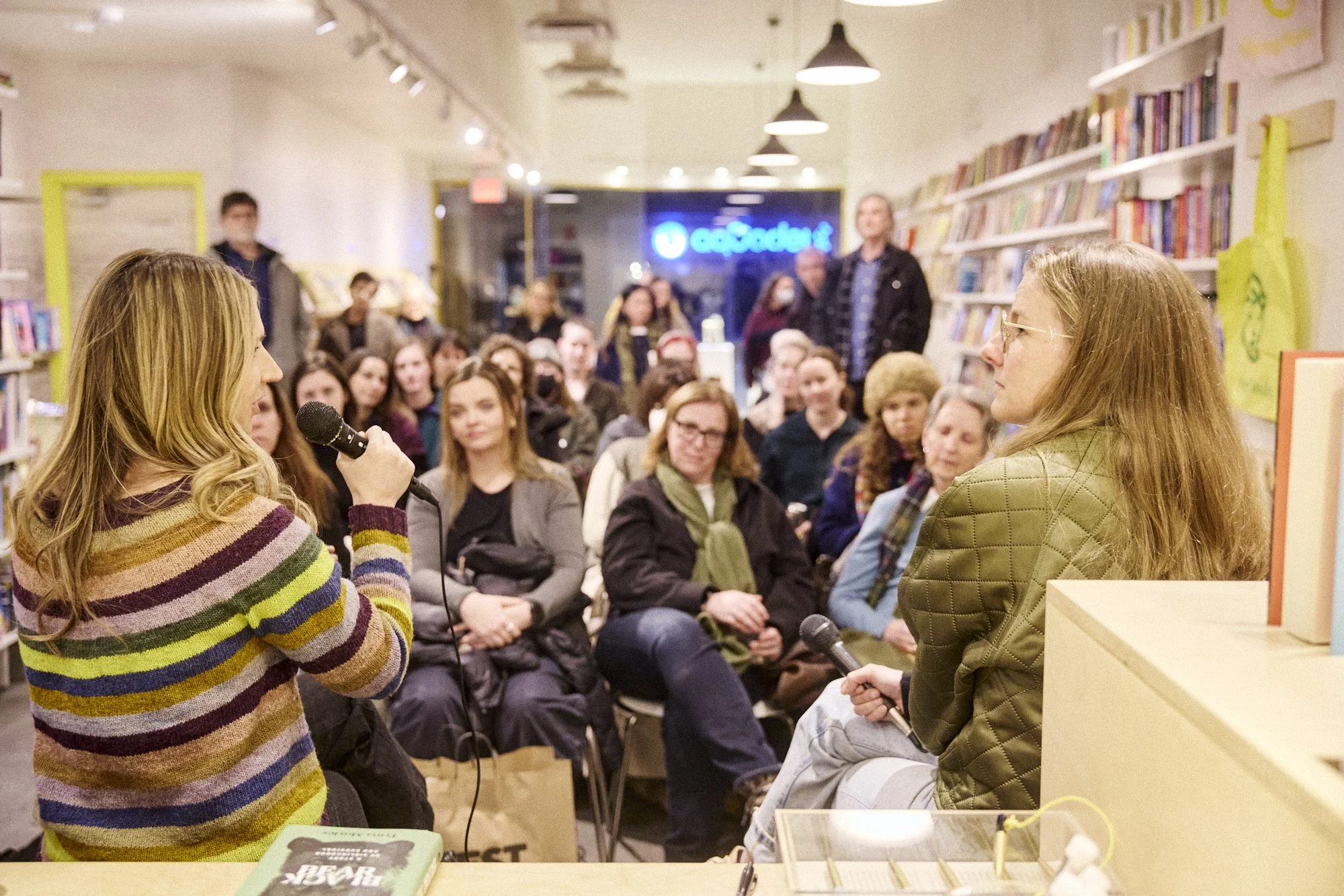
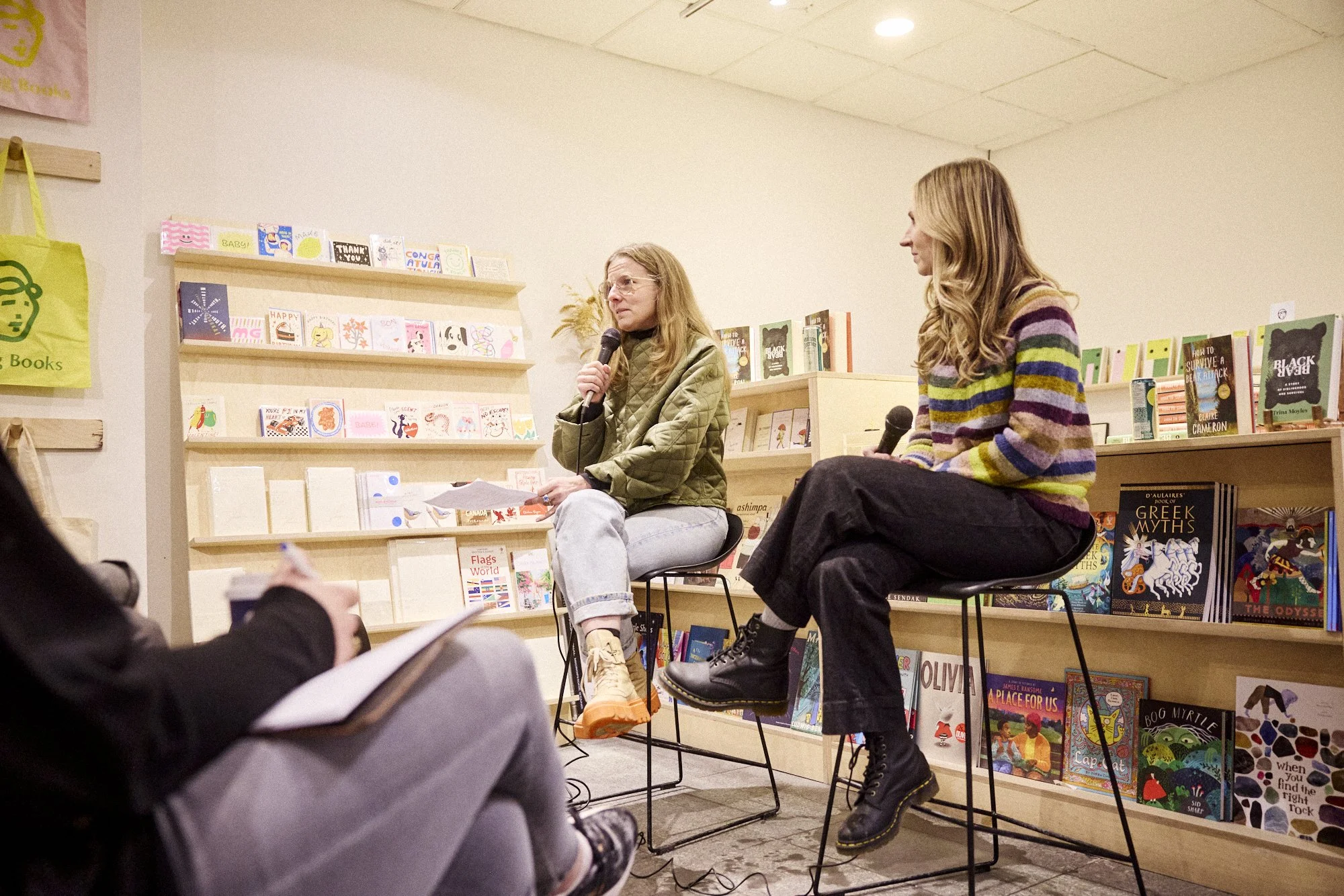
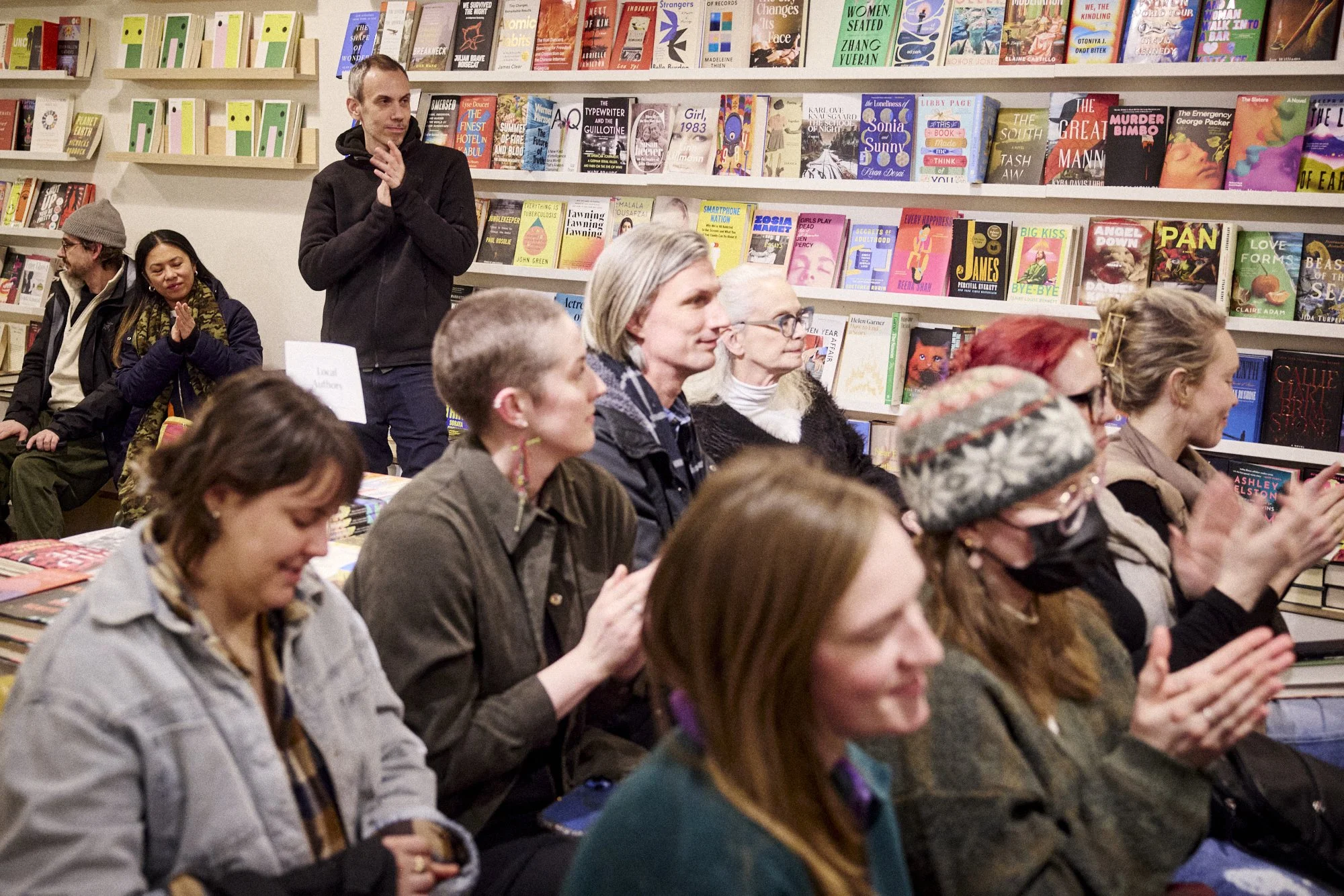
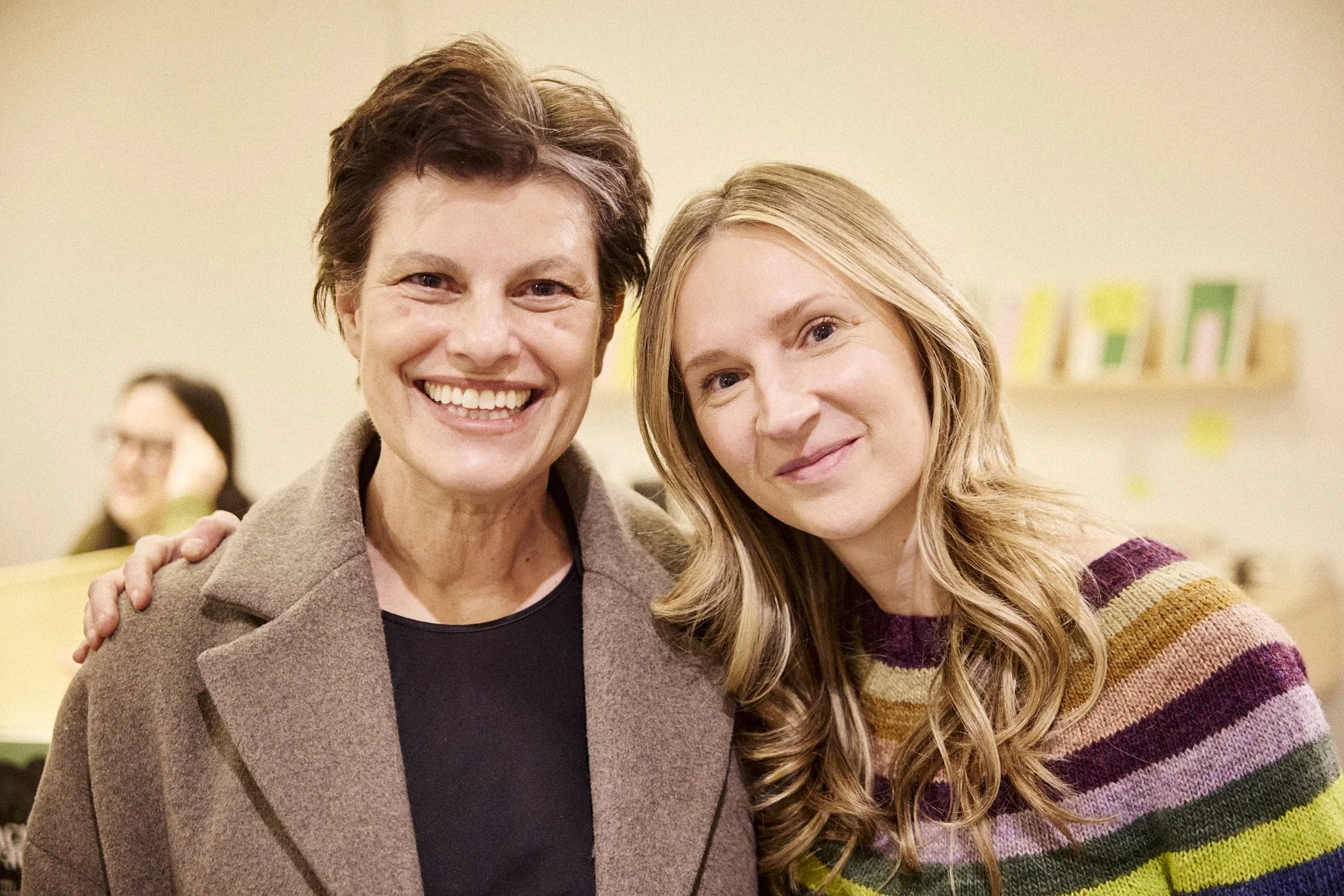
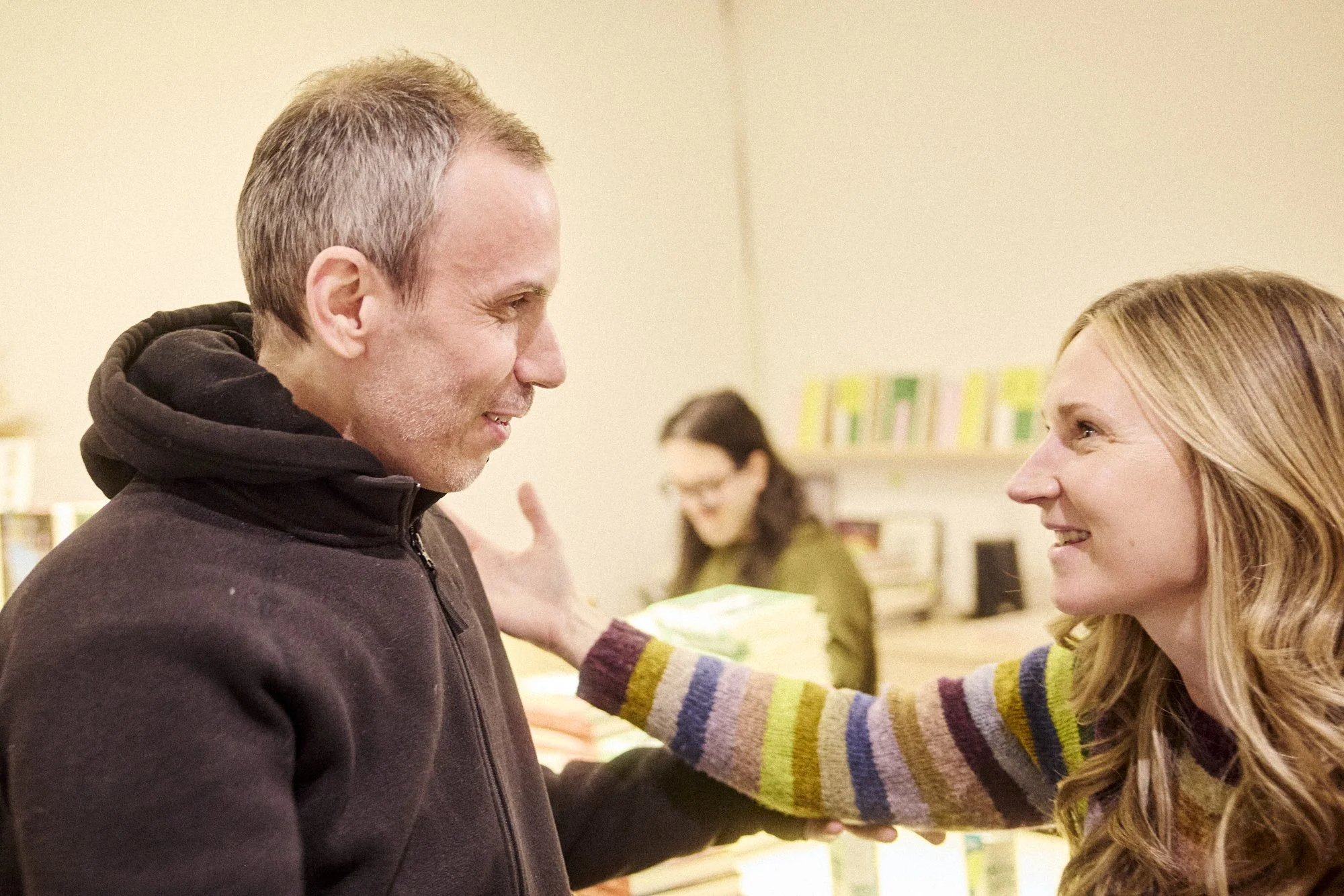
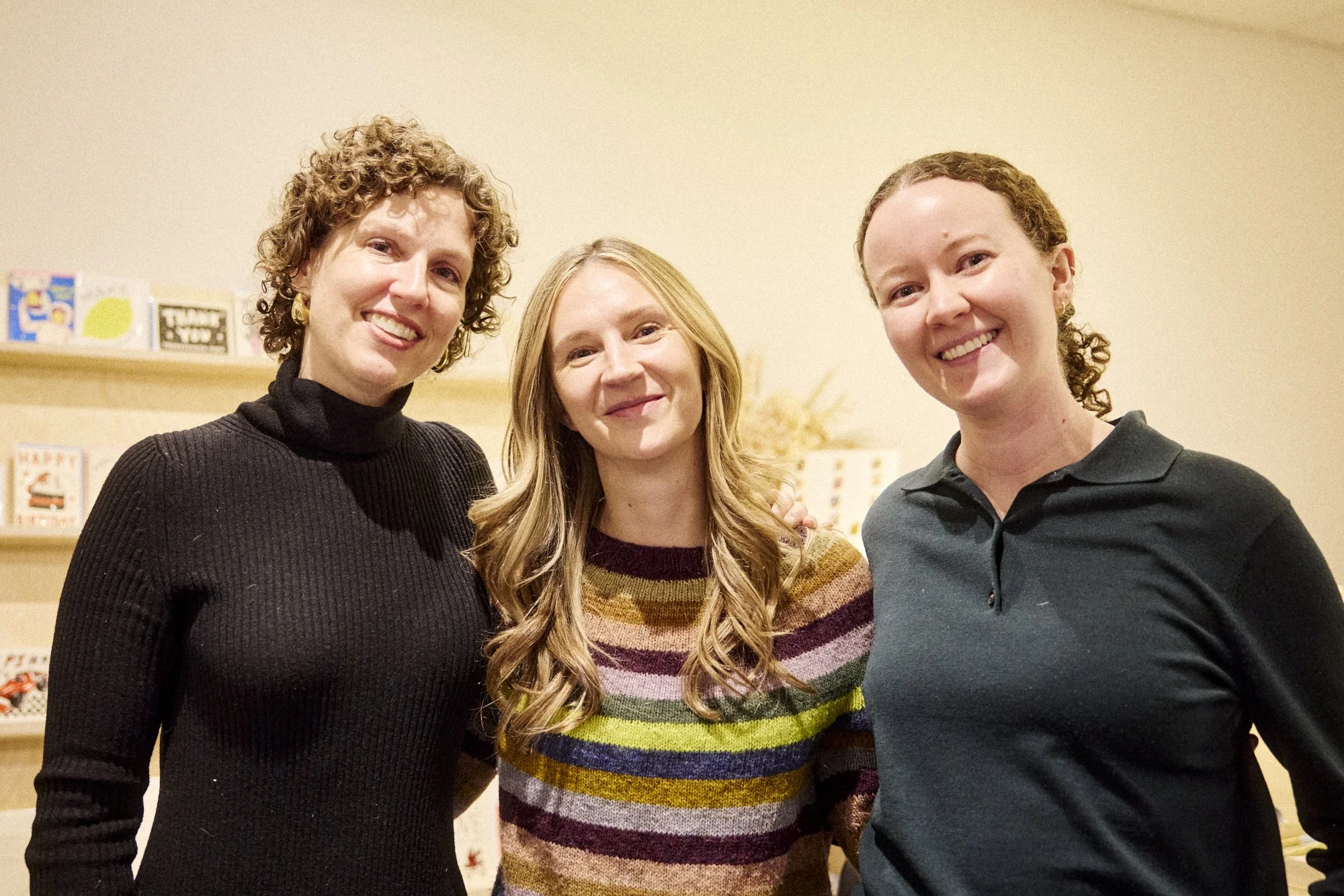
Toronto was the last stop on this first leg of the Black Bear book tour. Thanks to Flying Books who hosted the intimate gathering of 25-30 people who filled up all the seats in the store. Mostly, thanks to Claire Cameron, author of How to Survive a Bear Attack, winner of the 2025 Governor General’s Literary Award for Nonfiction, who generously agreed to host the event. I’ve been ravenously gobbling up pretty much anything Claire has written over the last decade, including her novels Bear and The Last Neanderthal, or her essays and articles in The New Yorker and found poems in The Globe.
To share the stage with Claire was a marvel. She was such a BRILLIANT and THOUGHTFUL host. Claire told the audience that, shortly before the event she explained to her son what the event was about. “Oh,” he quipped. “So it’s going to be bears, bears, bears, bears.” We all laughed because he wasn’t wrong. Well, it turned out to be bears, bears, books, writing, and bears.
Claire had to ask about the off-grid yurt in the Yukon, of course. Before the event, she’d laughed at the story about my mortification of using the outhouse at 40 below—and freezing my ass (literally) on a frosty toilet seat—her reaction to that particular detail told me we’d be forever friends. That detail didn’t make it into the Q&A, but I loved her for making a joke about it. I’m already looking forward to sharing the stage again with Claire later this year—STAY TUNED for the details about that…
Very grateful to my amazing publishing team at Knopf Canada and PRHC who came out to support, including, editors, Amanda Betts and Emma Lockhart, publisher, Martha Kanya-Forstner, publicist, Stephen Myers, and the amazing audiobook team, producer, Sonia Vaillant, and director, Rebecca Ballarin.
My friend Javier Lovera artfully documented the evening with his beautiful photography—thank you, Javier!
Also hugely grateful to my agent, Marilyn Biderman, who hosted me for the week. I had such a fabulous time staying with Marilyn and her sweet pup, Ruby. Marilyn and I have worked together for over a decade now—publishing three books together!
Thank to everyone for buying Black Bear, or requesting it at your community library, for reading and leaving reviews, or sending me notes about what the book means to you. It means the WORLD to me!
I want to also acknowledge the generous funding support of the Yukon Artist Touring Fund.